Weird & Viral news and discussion on TalkFuse.
SpaceX’s wandering Falcon 9 rocket has crashed into the moon
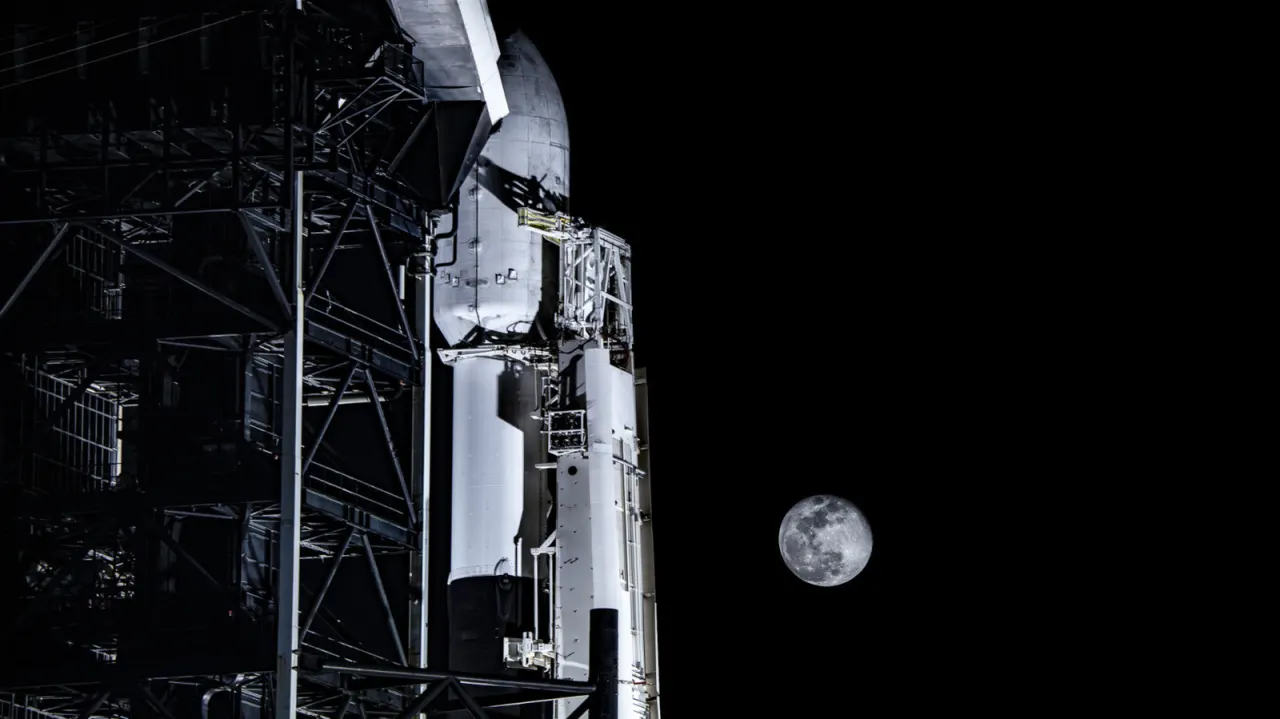
A SpaceX Falcon 9 rocket upper stage has crashed into the Moon, roughly four months after astronomers first predicted the collision would occur. Scientists confirmed the impact indirectly, as it happened on the sunlit side of the Moon where glare made direct observation impossible; researchers instead detected a plume of sodium and lithium gas via a telescope in Chile. The event highlights growing concerns about space debris, though experts and NASA maintain that disposing of spent rocket stages on the lunar surface remains a technically accepted practice.
The four-tonne rocket stage struck the Moon at around 5,400mph, and NASA estimates it left a crater roughly 60 feet wide and 12 feet deep — comparable in force to routine meteoroid impacts the lunar surface regularly absorbs. The stage originated from the January 2025 Blue Ghost mission, which carried two lunar landers; SpaceX explained that because nearly all the vehicle's fuel was needed to reach lunar transfer orbit, a controlled return to Earth wasn't possible, and the rocket was ultimately pulled towards the Moon by solar activity and gravity. NASA's Lunar Reconnaissance Orbiter and South Korea's Korea Pathfinder Lunar Orbiter are now attempting to photograph the crash site, though success depends on lighting and timing and could take several days.
In short
- SpaceX Falcon 9 rocket stage crashed into the Moon as predicted
- Impact confirmed via sodium/lithium gas plume, not direct sighting
- Lunar orbiters now attempting to photograph the resulting crater
Steelman: both sides, in good faith
The strongest fair case each way — we don't pick a winner.
The case for
The Moon's surface is geologically stable and receives constant natural impacts vastly more energetic than this collision; a 60-foot crater represents negligible change to a world already bearing billions of such features. Technical constraints were genuine—the mission required nearly all fuel simply to reach lunar transfer orbit, making controlled Earth return impossible rather than a matter of negligence. Developing safe lunar debris disposal, rather than abandoning stages in Earth orbit where they pose greater collision risks, provides an essential foundation for sustainable long-term exploration.
The case against
Accepting this practice normalises the Moon as a disposal site, and if every mission follows this fuel-convenience logic, accumulated debris will eventually compromise future exploration and scientific work on humanity's shared space heritage. Rather than accepting lunar surface disposal as standard procedure, space agencies should mandate engineering discipline—reserved fuel for controlled return, trajectory planning for atmospheric decay, or reusable stages—that genuinely respect the Moon's significance. Setting this expectation now prevents the Moon from becoming what orbital space has become: cluttered with abandoned hardware from decades of convenient disposal.
Explained simply
Falcon 9 is a SpaceX rocket used to carry spacecraft into orbit. Its upper stage is the part that continues after the rocket’s lower sections separate; this stage helped send two lunar landers towards the Moon in January 2025.
Rocket stages left in space can follow different paths after their missions. In this case, the stage had too little fuel for a controlled return to Earth, and the Moon’s gravity and changes in solar activity shaped where it went.
The Moon has no atmosphere to burn up objects, so impacts leave marks on its surface. This collision was similar in force to impacts from natural space rocks, but it has renewed attention on how spacecraft operators manage discarded equipment near the Moon.
Paranormal Space Technology Weird & Viral