Spain threatens retaliation if Italy fails to lift border controls after Ceuta crossings
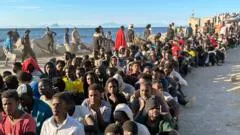
Spain has imposed one-month border checks on air and sea arrivals from Italy, escalating a dispute over Italy’s earlier restrictions following a mass migrant crossing into Ceuta. The row matters because it tests the EU’s border-free Schengen arrangements and exposes sharp differences between Madrid and Rome over migration and security.
Italy introduced its measures after around 78,000 migrants entered the Spanish exclave from Morocco, arguing they could travel onwards; Spain says this is impossible because they cannot enter the Schengen area. Most arrivals were returned within days, but about 1,400 minors remain in Ceuta and roughly 100 people are believed to have died during the crossing. Italy’s controls are due to last until at least 15 August, while Spain’s checks are scheduled to run until 7 September.
In short
- Spain imposed checks on Italy after a Ceuta migration dispute.
- Around 78,000 migrants entered Ceuta from Morocco.
- The dispute strains Europe’s Schengen free-movement system.
Steelman: both sides, in good faith
The strongest fair case each way — we don't pick a winner.
The case for
Italy's position rests on legitimate security and capacity concerns when facing an exceptional event. The temporary border restrictions represent a proportionate response to ensure proper documentation, screening, and processing capacity during an influx that Italian authorities argue could overwhelm their systems. These measures are explicitly limited in time and reflect responsible border management within the framework of Schengen rather than a fundamental rejection of its principles.
The case against
Spain argues that Italy's controls undermine Schengen's foundational principle—mutual trust enabling unrestricted movement between member states. Since migrants cannot actually enter Schengen territory from the Moroccan enclave, the restrictions are disproportionate and effectively punitive toward Spain rather than protective of Italian interests. Allowing such unilateral enforcement sets a dangerous precedent that could erode the confidence and solidarity upon which European free movement depends.
Explained simply
Ceuta is a Spanish territory on the North African coast, next to Morocco. Around 78,000 people crossed into it from Morocco, prompting Italy to restrict arrivals from Spain because it feared migrants could travel onwards; Spain says people in Ceuta cannot enter the Schengen area, the group of European countries that usually allows travel across internal borders without routine checks.
Most people who arrived were returned within days, while about 1,400 minors remain in Ceuta. Roughly 100 people are believed to have died during the crossing. The dispute matters because it tests how Schengen countries handle border checks and reflects differing views in Spain and Italy on migration and security.