Spain’s RTVE Joins Netflix, Universal on Félix Viscarret’s ETA Drama ‘Blanco’
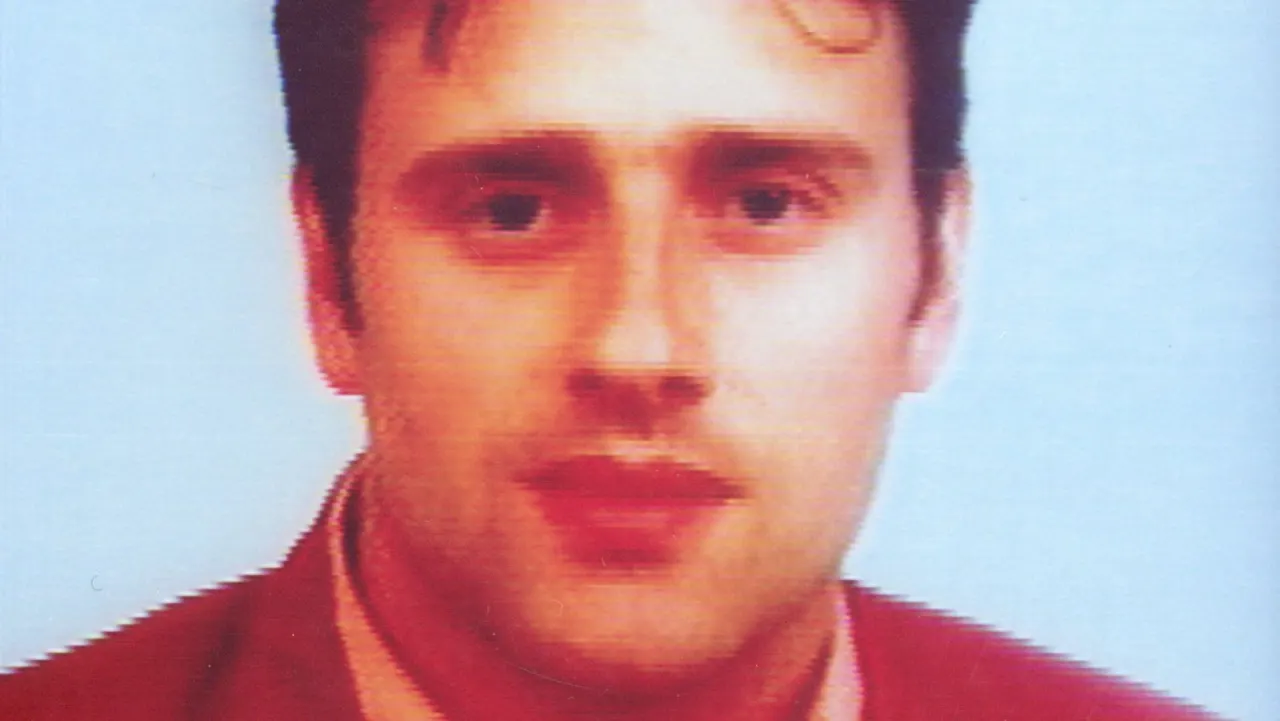
Spanish public television, Netflix and Universal Pictures have partnered on a major film dramatisation exploring a significant moment in recent Spanish history. The production, directed by Félix Viscarret, will reconstruct the 48-hour period following the 1997 abduction of local politician Miguel Ángel Blanco by Basque separatist organisation ETA. Backed by an €8 million budget, the film is scheduled for theatrical release in July 2027, timed to mark three decades since the kidnapping and murder that deeply affected Spanish society.
Rather than focusing on the perpetrators, the narrative centres on journalists and civilians who grappled with the crisis as events unfolded. The story draws from investigative reporting and first-hand accounts to examine how ordinary people responded with courage and compassion during a moment of national trauma. With support from Blanco's family and positioning as part of Spain's broader effort to dramatise formative historical events, the project reflects how societies process and memorialise significant national tragedies.
In short
- RTVE, Netflix and Universal backing dramatisation of 1997 ETA kidnapping and murder of Spanish politician Miguel Ángel Blanco
- €8 million production scheduled to film from October 2026, releasing theatrically in July 2027 for the 30th anniversary
- Film focuses on journalists and ordinary citizens responding to the crisis rather than perpetrators
Explained simply
ETA was an armed Basque separatist group that sought independence for the Basque Country, a region spanning northern Spain and south-western France. In July 1997, it kidnapped Miguel Ángel Blanco, a councillor in the Basque town of Ermua, and threatened to kill him unless the Spanish government moved ETA prisoners.
The kidnapping prompted large demonstrations across Spain, with people calling for Blanco’s release. ETA killed him two days later, and the case became a defining moment in the country’s recent history. A film about the episode can help explain how journalists and ordinary people experienced the crisis and how it is remembered.