Politics news and discussion on TalkFuse.
Spanish voters choose between Sánchez and conservative-led challenge in snap election
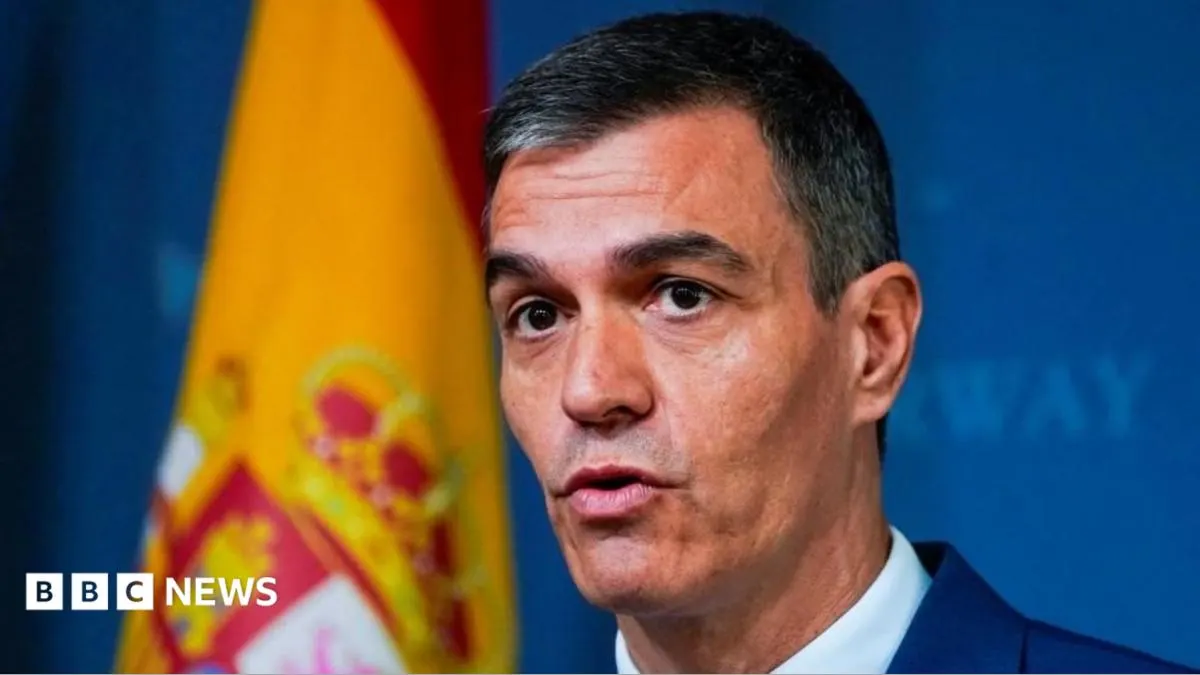
Spanish voters are casting ballots in a snap general election called by Prime Minister Pedro Sánchez eight months early, after MPs rejected planned changes to the country's housing laws. Sánchez's Socialist PSOE faces a strong challenge from the conservative People's Party (PP), led by Alberto Núñez Feijóo, which may need the far-right Vox to secure a majority. Polls suggest a narrow PP lead, and the result will shape Spain's direction and its influence on the European balance of power.
Polls close at 20:00 local time (19:00 GMT) on Sunday, with provisional results expected about an hour later and official figures overnight. Housing affordability has dominated the campaign, followed by the cost of living and immigration. Sánchez, in power since 2018, has gained international attention for opposing Israel's action in Gaza and criticising US President Donald Trump, but corruption scandals and two deadly railway crashes have weighed on his standing at home. Vox, led by Santiago Abascal, backs "national priority" welfare policies and "remigration" for foreigners not considered to contribute to the economy. Critics compare its ideology to aspects of the Franco era, which the party rejects.
In short
- Spain votes in a snap election called eight months early.
- Sánchez's PSOE trails the conservative PP narrowly in polls.
- The PP may need far-right Vox to secure a majority.
- Housing affordability dominates the campaign, ahead of cost of living.
Steelman: both sides, in good faith
The strongest fair case each way — we don't pick a winner.
The case for
Supporters of Sánchez argue that his government has expanded social protections and housing measures, and that a steady, pro-European course is worth keeping in an uncertain global climate. They contend that the corruption allegations and rail tragedies should be judged by how the government responded and held people to account, rather than taken as proof of wider failure. They also see his firm stance on Gaza and on the US administration as a principled defence of human rights and national sovereignty, and they warn that a rightward shift could weaken social cohesion and European cooperation.
The case against
Advocates of the People's Party and a change of government argue that the country needs a fresh start after years of rising housing costs, a cost-of-living squeeze, and public concern about how immigration and security are managed. They point to the corruption cases and the railway crashes as evidence that trust in institutions has eroded and that accountability requires new leadership. Many in this camp believe a centre-right government, even one that might depend on Vox for a majority, would restore confidence in economic management and public order, and they stress that voters choosing change in a free election is a legitimate democratic outcome.
Explained simply
Spain holds a general election to choose the 350 members of its parliament, and the party or coalition that can command a majority there forms the government and chooses the prime minister. Pedro Sánchez, leader of the centre-left Socialist party (PSOE), has been prime minister since 2018. He called this vote eight months ahead of schedule after parliament rejected his plans to change the country's housing laws.
His main challenger is Alberto Núñez Feijóo of the conservative People's Party (PP), which is currently polling narrowly ahead. Because neither main party is expected to win a majority alone, the PP may need the support of Vox, a far-right party led by Santiago Abascal. Vox wants welfare benefits to be given to Spanish citizens first and proposes "remigration", meaning the return of foreigners it does not regard as contributing to the economy. Critics compare some of its ideas to the era of General Franco, who ruled Spain as a dictator from 1939 to 1975, a comparison the party rejects.
Housing affordability has been the central issue of the campaign, followed by the cost of living and immigration. Sánchez has drawn international attention for his opposition to Israel's military action in Gaza and his criticism of US President Donald Trump, but corruption scandals and two deadly railway crashes have weighed on his standing at home. The outcome will shape the direction of Spanish policy and the country's influence within the European Union.
Elections Government Politics World
Read the full article at the source →
Originally published by BBC World as “Spaniards vote in general election with PM Sanchez in tight race”.