Spanish police remove last major Ceuta migrant camp just days before royal family visit
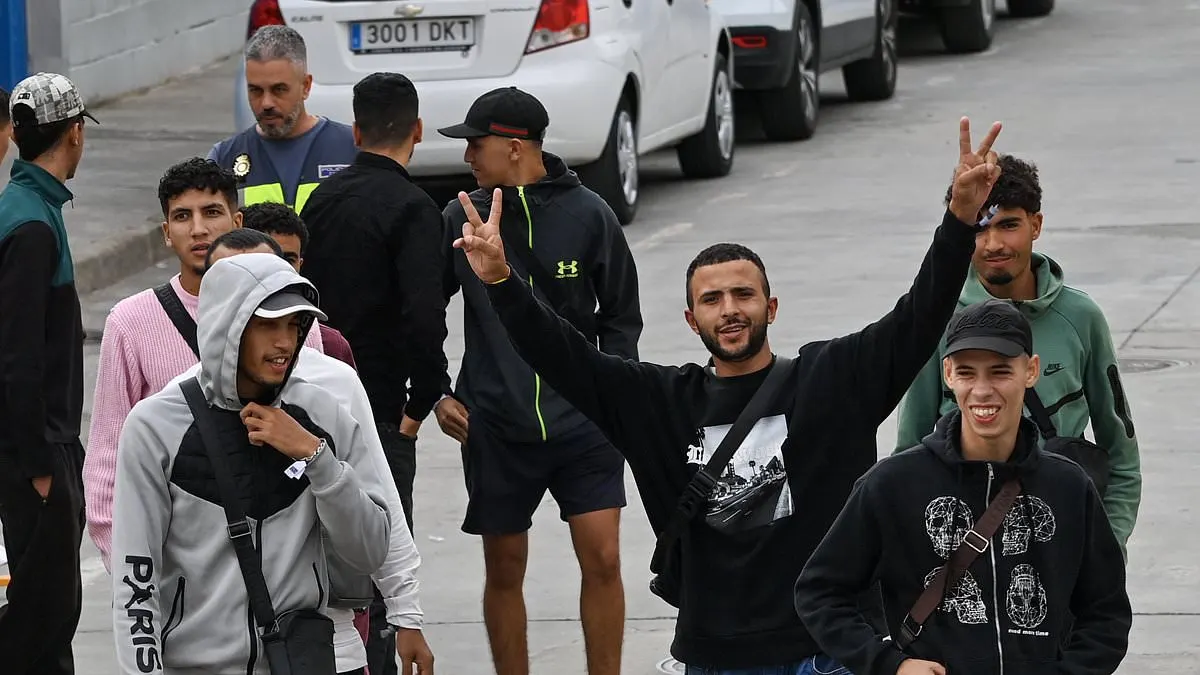
Spanish police cleared the last major migrant camp in Ceuta on Sunday, days before King Felipe VI and Queen Letizia are due to visit the North African enclave. The operation moved people from a makeshift settlement at El Guano to reception centres for processing, while crews cleared the site; some migrants fled to nearby hills.
The camp followed a mass crossing from Morocco on 30 and 31 July, when more than 70,000 people entered Ceuta and at least 10,000 remained after most returned. More than 350 officers took part in what the Interior Ministry said was its fifth recent operation to clear public areas. The royal visit, followed by a trip to Melilla on 14 October, will be the first by a Spanish monarch to either city since 2007; the influx also prompted a political crisis and criticism that the government acted too slowly.
- Police cleared Ceuta’s last major migrant camp ahead of a royal visit.
- More than 350 officers took part in the operation.
- The camp followed a July influx of over 70,000 people from Morocco.
New here? Start with this
Ceuta is a small Spanish enclave on the Moroccan coast, geographically separated from mainland Spain. The territory serves as a gateway for migration from North Africa, as people attempt to reach Europe.
In late July, over 70,000 people crossed into Ceuta from Morocco within two days, creating an unprecedented surge. Although most returned to Morocco, thousands remained behind, establishing makeshift camps and overwhelming local reception facilities.
This influx highlighted longstanding tensions between Spain and Morocco over migration control and triggered domestic political criticism. The royal visit is particularly symbolic, as it will be the first visit by a Spanish monarch to Ceuta in nearly 20 years.
Both sides, in good faith
The strongest fair case each way — we don't pick a winner.
The case for
The Spanish authorities were conducting necessary operational governance by clearing the camp and transferring migrants to proper reception centres for processing. This was the Interior Ministry's fifth recent clearing operation, indicating systematic policy rather than ad hoc action. Maintaining public order in urban spaces is a legitimate governmental function, and the migrants were provided with improved facilities rather than simple displacement.
The case against
The timing of this operation days before a royal visit raises reasonable questions about political motivation. Whilst authorities frame this as routine, the scale of the migrant crisis—over 70,000 crossing in two days with 10,000 remaining—suggests deeper systemic challenges that a single clearing does not resolve. The operation appears calculated to present a sanitised city for the monarchy rather than address the policy failings that previously prompted governmental criticism.