Business news and discussion on TalkFuse.
‘Special sauce of crazy’ — Midwest Dem candidate’s policies too extreme for voters: opponent
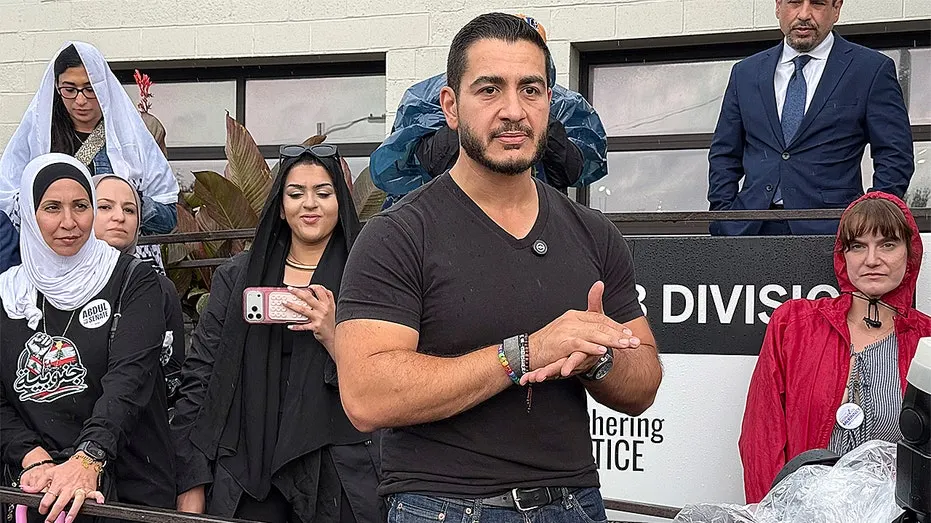
Republican Mike Rogers, the presumptive Senate nominee in Michigan, told Fox News Digital he is confident he can defeat either Democratic candidate in November, dismissing both as too extreme for the state's voters. The interview came two days before Michigan's Democratic primary, in which former Wayne County health official Abdul El-Sayed is facing Rep Haley Stevens for the party's nomination, making this a closely watched battleground-state Senate race ahead of the 2026 midterms.
Rogers said his campaign had studied both potential opponents and felt equally confident of victory regardless of who wins the primary, casting their policies as an extreme "special sauce of crazy" unlikely to appeal to general-election voters. El-Sayed, who previously ran an unsuccessful insurgent campaign for Michigan governor in 2018, has drawn high-profile endorsements, including from progressive "Squad" members, ahead of the primary vote.
In short
- Mike Rogers says he'd beat either Democrat in Michigan's Senate race.
- He labels rivals El-Sayed and Stevens as too extreme.
- Michigan Democratic primary between El-Sayed and Stevens looms.
Steelman: both sides, in good faith
The strongest fair case each way — we don't pick a winner.
The case for
Republicans contend that Michigan's swing-state status demands candidates who appeal to independent and moderate voters who determine general elections. They argue that El-Sayed's backing from Squad members and progressive policy positions on healthcare, climate spending and social issues—whilst energising the Democratic base—would alienate the pragmatic, working-class voters who shifted to Biden and back again. Michigan voters, they suggest, prioritise economic stability and practical solutions over ideological purity, making candidates perceived as ideologically extreme vulnerable when the broader electorate votes.
The case against
Democrats maintain that characterising policies as "extreme" is a politically motivated attempt to prejudge candidates without engaging their actual proposals. They point out that Michigan voters have repeatedly elected Democrats to statewide office and supported progressive positions on healthcare and climate action, suggesting the state is more receptive to such policies than opponents claim. Squad-backed positions reflect mainstream Democratic values and proven voter preferences; the argument that they are disqualifying conflates activist support with electoral poison and falsely assumes Michigan voters are more conservative than electoral history demonstrates.
Explained simply
Michigan is a key battleground state, where Senate races can help determine which party controls the US Senate. The Senate is one of the two chambers of Congress, and its members vote on laws and government appointments.
Republican Mike Rogers is seeking Michigan’s Senate seat, while Democrats are choosing between Abdul El-Sayed and Representative Haley Stevens as their candidate. El-Sayed previously ran for Michigan governor in 2018, and Stevens is a member of the US House of Representatives.
The parties hold primary elections to choose who will represent them in the general election. Rogers says he believes he can beat either Democrat; the eventual contest will put the candidates’ records and proposals before voters.
Business Elections Government Markets Politics World