Video games news, releases, esports and culture — all the biggest gaming stories in one place.
Spider-Man is at his best when Peter Parker can’t catch a break
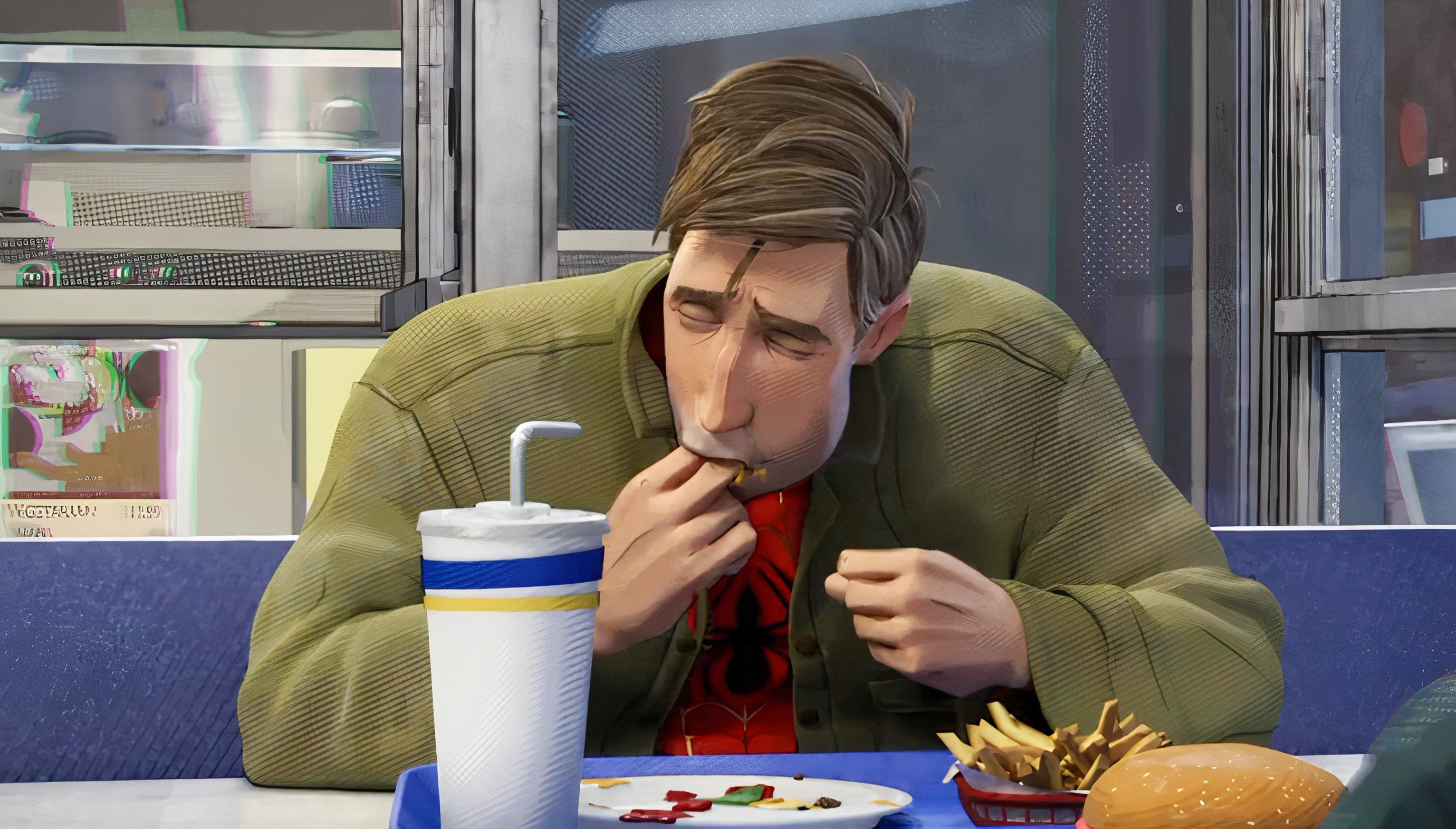
This Polygon opinion piece argues that Spider-Man is most compelling not because of his powers, but because of the relentless misfortune that dogs Peter Parker's personal life. The writer contends that what makes the character endure across more than six decades is not what he can do, but everything he repeatedly loses, and that stripping away his hardship would leave a far less interesting hero.
The article traces this pattern — nicknamed "Parker Luck" by comic fans — across numerous adaptations. Examples include Tobey Maguire's Peter being fired from a pizza delivery job in Spider-Man 2, Andrew Garfield's failure to save Gwen Stacy in The Amazing Spider-Man 2, Tom Holland losing Aunt May, Ned and MJ in No Way Home, a divorced and out-of-shape Peter B. Parker in Into the Spider-Verse, and the sacrifices piled on in Insomniac's video games. It notes that Uncle Ben's death and the maxim "with great power comes great responsibility" remain the defining forces of Peter's life, and that his constant joking is framed as a coping mechanism rather than confidence — unlike heroes such as Tony Stark, Captain America or Thor, Peter rarely gets a lasting happy payoff.
Steelman: both sides, in good faith
The strongest fair case each way — we don't pick a winner.
The case for
Spider-Man's enduring appeal stems from the poignant tension between his extraordinary powers and his inability to protect those he loves or build lasting personal happiness. This relentless misfortune makes him profoundly relatable—unlike invincible gods like Thor or self-made billionaires like Iron Man, Peter cannot simply engineer his way to contentment, forcing him to find meaning and humour in tragedy, which renders his choices authentic and his sacrifices genuinely costly.
The case against
Compelling storytelling need not depend on endless suffering, and Spider-Man could be equally or more engaging if allowed genuine growth and sustained victories rather than cyclical tragedy. A character forever trapped in accumulating losses risks exhaustion rather than depth, and Peter Parker's intellect and heroism might resonate more powerfully if he occasionally enjoyed the fruits of his sacrifice—a hero who sometimes wins might paradoxically be more human, more hopeful, and less reliant on formula.
Explained simply
Spider-Man is a fictional superhero character that has appeared in comics, films and video games for more than sixty years. The character has two identities: Spider-Man the hero with superhuman abilities who fights crime, and Peter Parker the ordinary young man living his daily life.
What sets Spider-Man apart, according to a Polygon opinion piece, is not his superpowers but the constant personal misfortune that defines Peter Parker's life outside his costume. Comics fans call this pattern "Parker Luck" – the way Peter repeatedly faces loss, failure and hardship in his everyday life, from financial struggles to the deaths of loved ones, and rarely achieves lasting happiness despite his heroic abilities.
This matters because it suggests why Spider-Man has remained popular for decades: audiences connect with Peter Parker's vulnerability and struggle rather than simply his powers. The character's persistent suffering, despite his abilities, distinguishes him from other superheroes who typically achieve greater fulfilment alongside their strength.