Spies in the sky: how worried should we be about the arrival of AI-enabled smart lamp-posts?
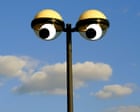
A new generation of AI-enabled "smart" streetlights, capable of facial recognition and number plate reading, is being rolled out in Britain, raising questions about how far surveillance technology should be allowed to spread. The iLamps, made by Warwickshire-based Conflow Power Group (CPG), are solar-powered and can also function as a "distributed AI datacentre", but little is publicly known about how much of this capability is actually active in the UK installations. Civil liberties group Big Brother Watch has warned that future AI updates could add features such as gait analysis and detection of "suspicious behaviours", while critics note that Home Secretary Shabana Mahmood has spoken favourably of a "panopticon state" that could monitor citizens constantly.
CPG has installed its first UK iLamps in a Warwickshire hospital car park, though neither the local authority nor the hospital would answer questions about them, and the company itself declined further comment beyond referring journalists to its existing material. Separately, CPG has agreed to supply 50,000 of the lamp-posts, with added vehicle and facial surveillance functions, to the government of Katsina state in Nigeria. Its chairman, Edward Fitzpatrick, has said the technology could eventually help trace missing people or tackle crime, but only through partnerships with "the relevant authority". Members of the public interviewed near the Warwickshire installation were largely unconcerned, generally accepting cameras as a normal part of life provided they have nothing to hide.
- UK gets its first solar-powered, AI-capable "smart" streetlights (iLamps).
- They can potentially read faces and number plates; full UK capability unclear.
- Maker CPG is also supplying 50,000 to Nigeria's Katsina state government.