Politics news and discussion on TalkFuse.
Spike Lee hopes the Knicks won’t visit the White House, warns owner ‘can’t force them’
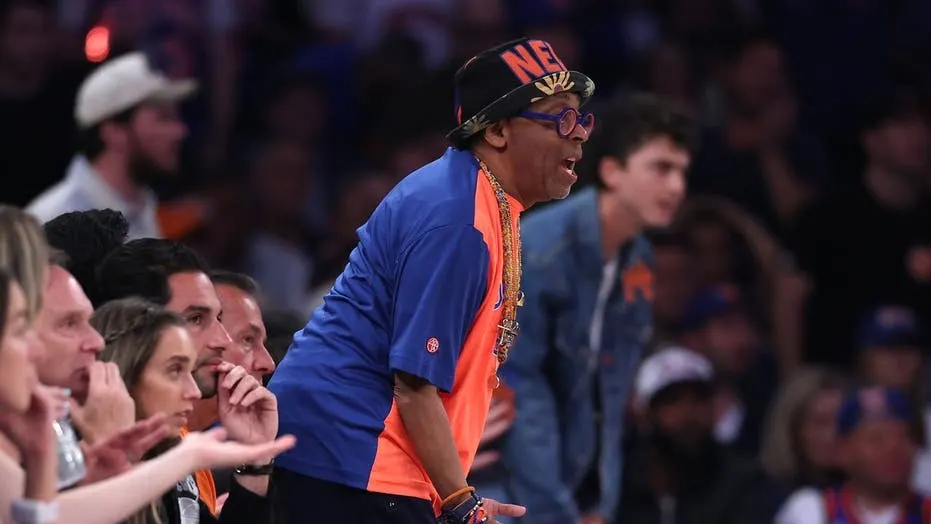
Spike Lee said he hopes the New York Knicks will decline an invitation to visit the White House after winning the 2026 NBA Finals. His comments add to debate over whether championship teams should take part in the longstanding tradition when some players reportedly do not want to attend.
Lee said team owner James Dolan could not force players to go, and linked President Donald Trump’s attendance at Finals Game 3 to the Knicks’ loss in that game. Elizabeth Pipko argued that players should not be compelled to attend but said meeting with political opponents can encourage dialogue; the Knicks and White House had not responded to requests for comment.
In short
- Spike Lee hopes the Knicks will skip a White House visit.
- He says owner James Dolan cannot force players to attend.
- Elizabeth Pipko says engagement can help bridge political divides.
Steelman: both sides, in good faith
The strongest fair case each way — we don't pick a winner.
The case for
The players should decide for themselves whether to attend: a White House visit is a political and personal choice, and an owner should not compel participation. Declining could also be a legitimate way for players to avoid lending the prestige of their championship to a president or administration they oppose.
The case against
Attending can be treated as recognition of a sporting achievement rather than an endorsement of the president, and meeting across political differences may create space for dialogue. A team visit can also honour a longstanding civic tradition, provided players remain free to opt out.
Explained simply
The New York Knicks are a professional basketball team based in New York City, and Spike Lee is a well-known filmmaker and longtime fan who regularly attends their games. The team is owned by James Dolan.
For decades, US championship teams have often been invited to the White House to meet the president. Teams and individual players decide whether to accept, and views can differ over whether such visits are a sporting tradition or a political gesture.
The debate matters because a team visit involves both its players and its owner, while players may have different views about attending. It also reflects wider disagreement in US sport about contact between athletes and political leaders.