Sprawling probes into Ilhan Omar reportedly aim to strip Minnesota lawmaker’s citizenship and deport her
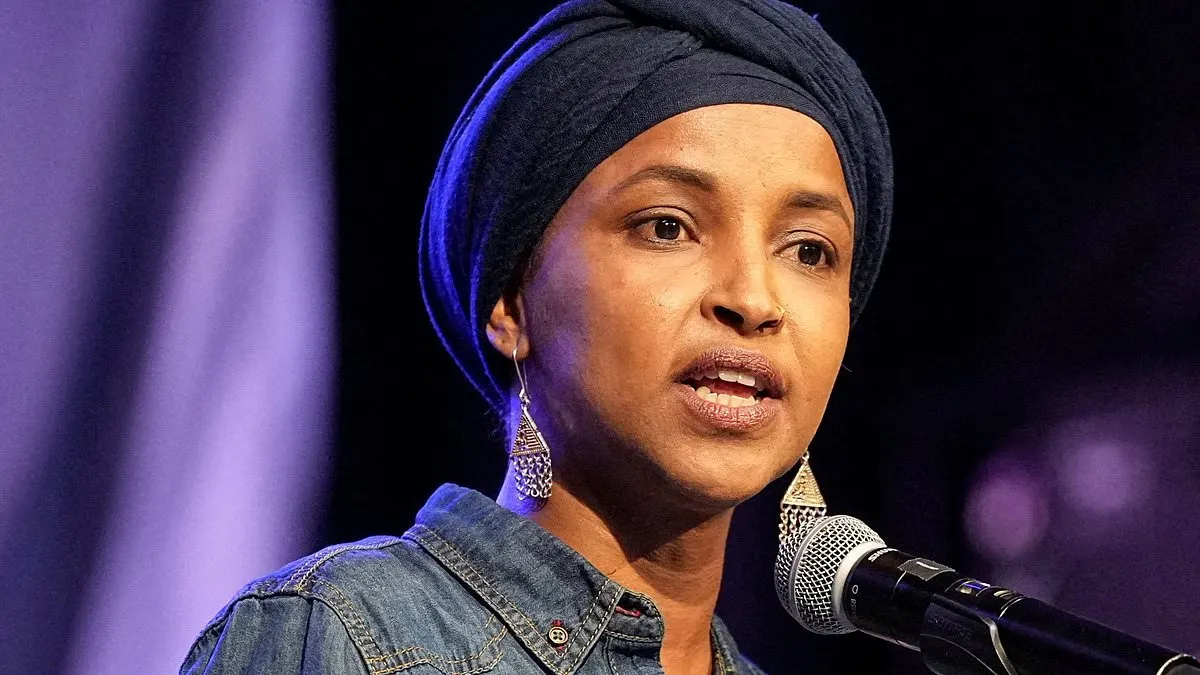
Federal investigators are reportedly examining whether Minnesota Congresswoman Ilhan Omar misrepresented her age when she became a US citizen, in a probe that could potentially lead to denaturalisation and deportation. The investigation is politically significant because it concerns a sitting lawmaker seeking re-election, and Omar’s staff say it is an attempt to silence a prominent progressive voice.
Agents reportedly seized Omar’s phone, notebooks, computers and passport during a search of her Washington home, while authorities issued more than a dozen subpoenas, including to relatives. Investigators are seeking family immigration records to establish whether Omar was 17 or 18 when her father became a citizen in 2000: at 17, she may have gained citizenship automatically. To revoke her citizenship, the Justice Department would need to prove in court that she personally made a material misrepresentation; Omar denies wrongdoing, and officials previously declined to pursue a similar tip for lack of evidence.
- Investigators are examining how Omar obtained US citizenship.
- Her age at the time may determine whether she qualified automatically.
- Omar denies wrongdoing and her staff call the probe politically motivated.
New here? Start with this
Ilhan Omar represents Minnesota in the US House of Representatives, the lower chamber of Congress, and is a naturalised US citizen. Naturalisation is the legal process by which someone who was not a citizen at birth becomes one. US law can grant citizenship to some children when a parent becomes a citizen, depending on the child’s age and circumstances.
Denaturalisation is the legal process of revoking citizenship gained through naturalisation. The government would have to make its case in court, including showing that the person made a significant false statement connected to gaining citizenship. Deportation could follow only if citizenship were revoked and other legal requirements were met.
The issue matters because citizenship affects a person’s right to remain in the United States, while Omar is also an elected federal lawmaker. Her case has drawn political attention, and her staff say the investigation is intended to silence her; Omar denies wrongdoing.
Both sides, in good faith
The strongest fair case each way — we don't pick a winner.
The case for
Supporters of a thorough investigation could argue that citizenship rules should be applied consistently, including to elected officials, and that credible evidence of a material misrepresentation warrants scrutiny. Because denaturalisation requires the government to prove its case in court, an investigation need not imply guilt or predetermine the outcome.
The case against
Critics could argue that an unusually sweeping inquiry into a sitting lawmaker, especially after officials previously found a similar tip insufficient, risks turning investigative powers into political pressure. The government would have to show that Omar herself knowingly made a material misrepresentation, and the reported searches and subpoenas may raise concerns about privacy, proportionality and deterring political dissent.