Entertainment news and discussion on TalkFuse.
‘Stack-o-Tracks’: Did a bizarre 1968 Beach Boys album invent karaoke?
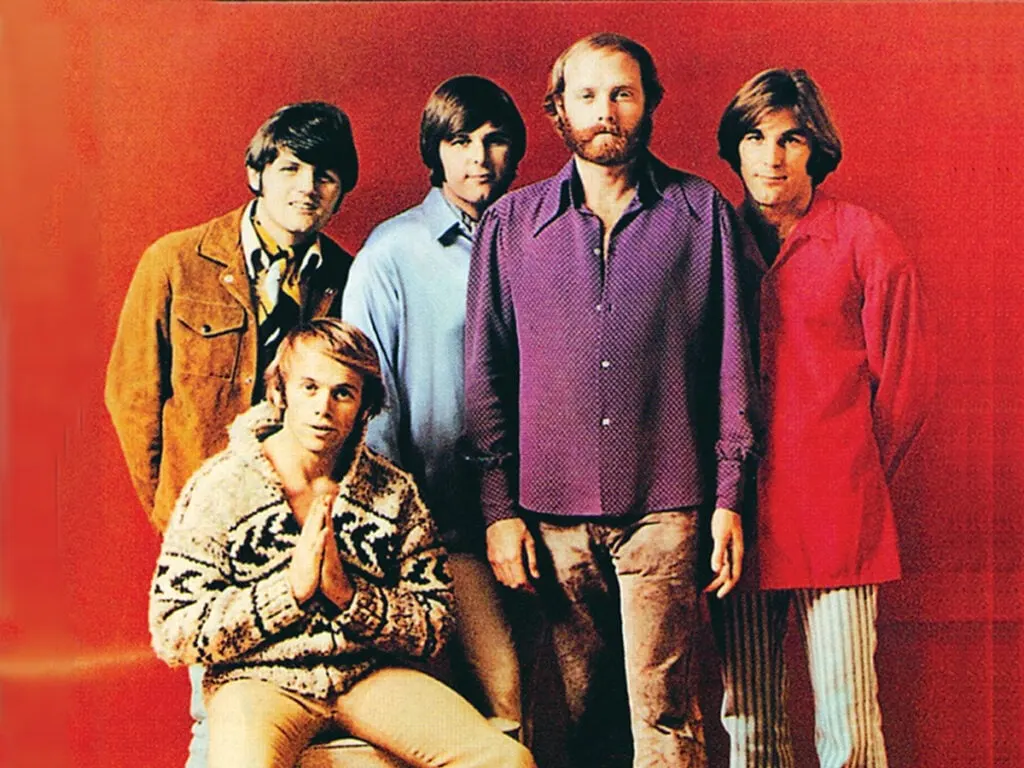
The Beach Boys' 1968 album Stack-o-Tracks was an unusual release that stripped away the band's celebrated vocal harmonies, leaving only instrumental versions of 15 of their songs. Released on 19 August 1968 at the height of the band's ambition following Pet Sounds and Good Vibrations, it invited listeners to perform the songs themselves using an accompanying booklet of chords, bass lines and lyrics, a concept that closely resembles what later became known as karaoke, decades before the format existed commercially.
The album included backing tracks spanning early hits like In My Room and Little Saint Nick through to the then-recent single Do It Again, and became the first Beach Boys album to miss the US charts, a record it held until 1992. It was withdrawn from sale and swiftly followed by the more conventional 20/20 less than six months later, though a 1976 UK reissue found a new audience amid renewed interest in the band. Carl Wilson later said he liked stripping songs back to reveal "what was really behind" the vocals, and while the record did not invent karaoke, it is now seen as a remarkably early anticipation of it.
In short
- Beach Boys' 1968 Stack-o-Tracks removed vocals from 15 songs
- Came with booklet so fans could perform songs themselves
- Flopped commercially but now seen as a karaoke precursor
Explained simply
The Beach Boys were a US band known for songs built around close vocal harmonies, often alongside instrumental arrangements led by guitars and keyboards. After the ambitious Pet Sounds and the single Good Vibrations, the group’s 1968 releases showed them trying different approaches to their music.
Karaoke lets people sing along to music with the lead vocals removed. In 1968, Stack-o-Tracks offered instrumental versions of Beach Boys songs and a booklet with lyrics and musical parts, so listeners could try performing them. It did not create karaoke, but its format resembled the idea years before karaoke became a commercial pastime.
Carl Wilson, one of the band’s members, later said he liked hearing what lay behind the vocals. The album’s unusual approach attracted little attention at first, and it became the band’s first release to miss the US charts; a UK reissue in 1976 later reached a new audience.
Entertainment Music Offbeat Weird & Viral