World news and discussion on TalkFuse.
Star of Unfairly Canceled Masterpiece Marvel Series Calls Out Disney: Optics Are Obvious
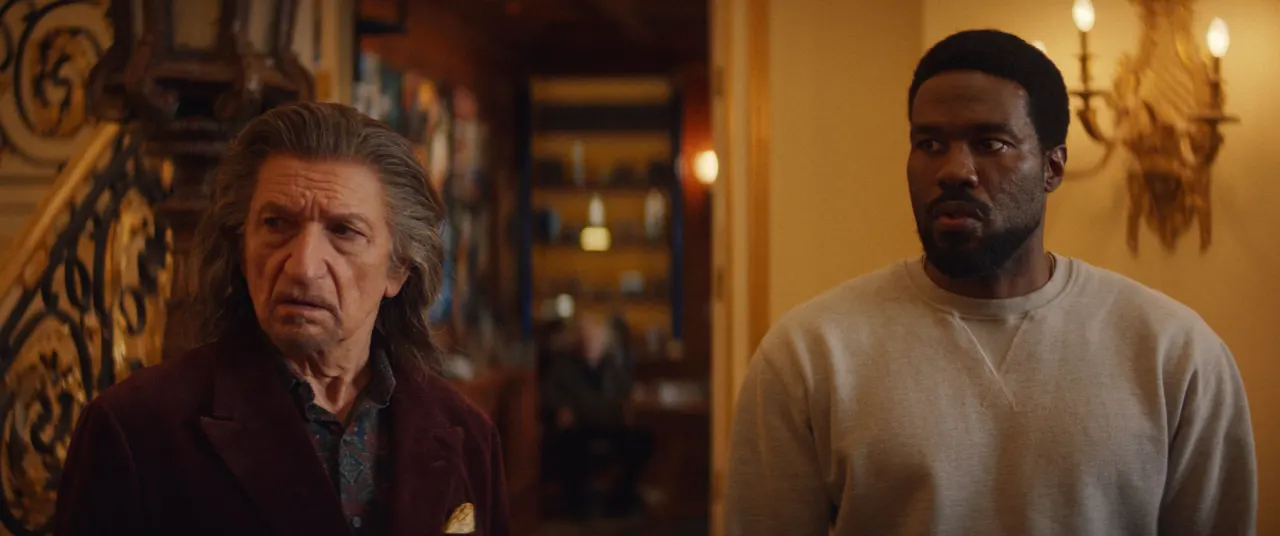
Marvel Studios shelved two high-profile initiatives—the Disney+ series Wonder Man and a Blade film featuring Mahershala Ali—both fronted by Black lead actors. The back-to-back cancellations sparked wider discussion about whether the pattern reflects troubling decisions in the studio's approach to diversity and representation within the Marvel Cinematic Universe.
Yahya Abdul-Mateen II, who starred in Wonder Man, told media outlets the decision carries obvious problematic optics and urged Marvel to address it through substantive storytelling and proper resources. The show's creator said the project was ready to proceed with finalized contracts and production scheduled to begin. Mahershala Ali suggested the studios chose not to proceed rather than lacking the means, while Marvel's studio head acknowledged feeling disappointed about the Blade outcome. These statements highlight tension between talent and leadership over the visible consequences of internal decision-making.
In short
- Marvel cancelled Wonder Man and Blade, both led by Black actors, prompting scrutiny of diversity patterns
- Star Yahya Abdul-Mateen II and the showrunner argued the projects had quality and were production-ready
- Mahershala Ali and others characterized the decision as corporate choice rather than financial necessity
Steelman: both sides, in good faith
The strongest fair case each way — we don't pick a winner.
The case for
The pattern of cancelling two major projects fronted by Black actors, particularly when creators and talent claim these projects were production-ready with finalized contracts, raises legitimate concerns about Marvel's commitment to diverse representation. Rather than attributing this to external market forces or creative differences, the decisions appear discretionary, which makes the optics troubling. When studios repeatedly shelve projects led by actors of colour, it is reasonable for talent and advocates to scrutinise whether systemic bias is influencing these choices, especially given Marvel's public diversity commitments.
The case against
Studio cancellations stem from complex business considerations—budget constraints, creative recalibration, market assessment, and risk tolerance—that affect projects across the board regardless of casting. Two cancellations involving Black leads do not establish a pattern of bias without evidence that Marvel applied different standards to these projects than to others it shelved. Attributing decisions to racial bias based primarily on actor demographics risks making unfair accusations and overlooks legitimate creative and financial factors. Studios regularly cancel projects at various stages; assuming discrimination without examining actual decision-making amounts to prejudgment.
Explained simply
The Marvel Cinematic Universe is a collection of connected films and television series made by Marvel Studios, which is owned by Disney. Its projects often introduce characters who may later appear in other stories, and Disney+ is the company’s streaming service.
Wonder Man is a Marvel character played in the planned series by Yahya Abdul-Mateen II, an actor who is Black. Blade, a separate film project, was to feature Mahershala Ali, also a Black actor. Their projects became part of a broader discussion about representation in major entertainment franchises.
That discussion concerns who gets leading roles and whether studios support projects with the time and resources needed to make them. Decisions about which stories go ahead can affect both the people involved and the range of characters audiences see.
Americas Celebrity Entertainment TV