Technology news and discussion on TalkFuse.
Star Trek: Strange New Worlds Season 4, Episode 4 Recap and Review – (Please Don’t) Play It Again, Sam
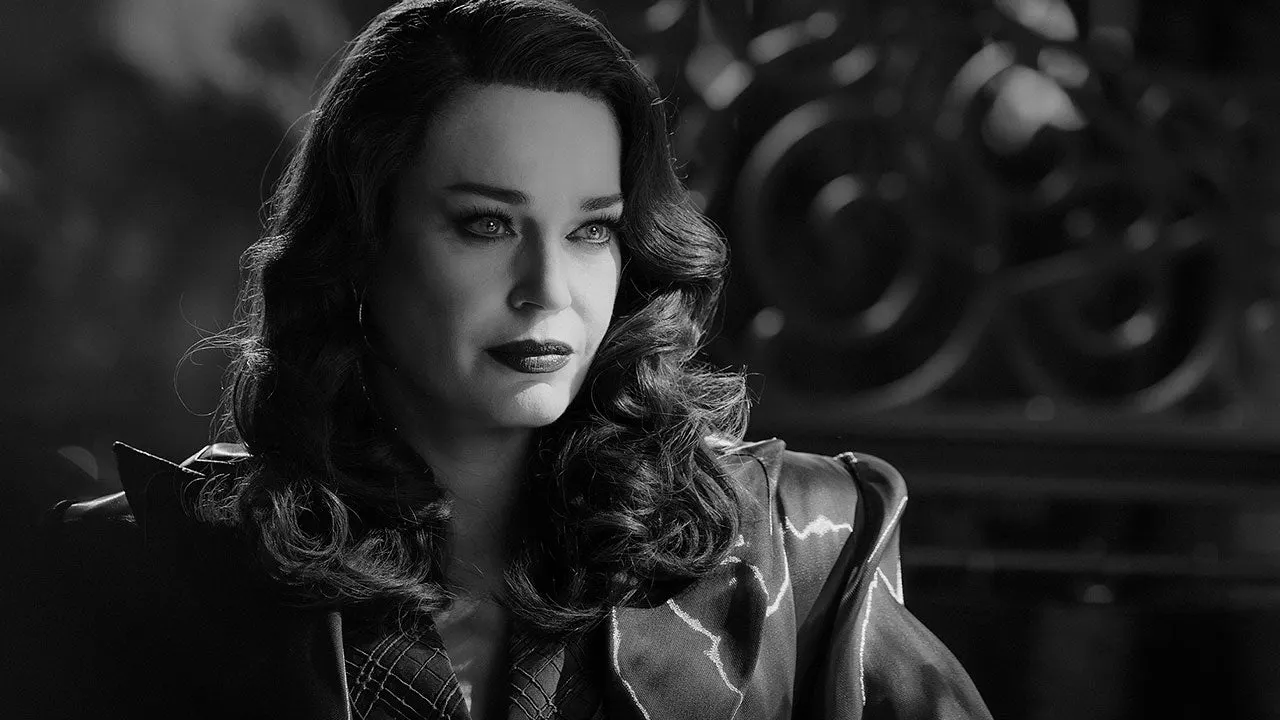
IGN’s review finds “A Case of Chiaroscuro” visually inventive but ultimately over-reliant on a film noir and Casablanca-style gimmick. The episode follows Una, M’Benga and Uhura after they become stranded on a Klingon-occupied planet, but the reviewer argues that its genre imitation overwhelms the character drama, particularly Una’s personal conflict over aiding a resistance movement.
The black-and-white setting is explained through the system’s radiation, while the away team adopts period-style disguises to blend in on Mat’aar XII. The review praises the episode’s imagery and M’Benga’s role as a physician, fighter and adviser, but says the familiar noir elements—doppelgängers, a central bar and corrupt authorities—feel mechanical, and that Una’s history with Illyrian occupation is not explored deeply enough.
In short
- Stylish noir homage, but the reviewer finds it too gimmicky.
- Una’s moral conflict is judged underdeveloped.
- M’Benga is praised as the episode’s standout.
Steelman: both sides, in good faith
The strongest fair case each way — we don't pick a winner.
The case for
Star Trek has long embraced stylistic experimentation as part of its identity, and visually inventive episodes that take aesthetic risks represent the franchise's strength. Genre pastiche, when executed with the visual polish described here, can enhance atmosphere and thematic resonance rather than detract from it. Audiences who appreciate bold creative choices find genuine value in episodes that prioritise artistic innovation, and such willingness to experiment keeps television from becoming formulaic. The episode's visual achievements deserve recognition as legitimate storytelling choices.
The case against
Regardless of visual inventiveness, television drama ultimately serves its characters and narrative, and stylistic choices that prevent proper character exploration become obstacles rather than enhancements. Una's complex personal history with Illyrian occupation deserved meaningful dramatic development rather than being sidelined by noir conventions. When familiar tropes like doppelgängers, corrupt authorities and the archetypal bar feel mechanical, they suggest surface-level pastiche rather than substantive thematic engagement. The episode's aesthetic appeal should not excuse underdeveloped character arcs that viewers have invested in across the season.
Explained simply
Star Trek: Strange New Worlds is a television series set aboard the starship Enterprise, before the adventures of Captain Kirk in the original Star Trek series. Its regular crew includes Una Chin-Riley, the ship’s first officer; Joseph M’Benga, its chief medical officer; and Nyota Uhura, a communications officer.
The Enterprise crew often visit unfamiliar worlds and encounter societies with their own political struggles. Klingons are a powerful people who have a long history of conflict with the Federation, the alliance to which the Enterprise belongs. Una is Illyrian, a people whose past experience of occupation informs her response to a local resistance movement.
The episode uses the look and conventions of film noir, a style associated with shadowy images, crime and morally uncertain characters; its title also nods to the film Casablanca. Radiation provides an in-story reason for the black-and-white visuals, while period-style disguises help the crew blend in. This genre setting shapes how the crew’s predicament and the planet’s conflict are presented.
AI Americas Celebrity Entertainment Offbeat Technology TV Weird & Viral