Entertainment news and discussion on TalkFuse.
‘Star Trek’s Worst Series Failed at the One Thing ‘The Next Generation’ Perfected
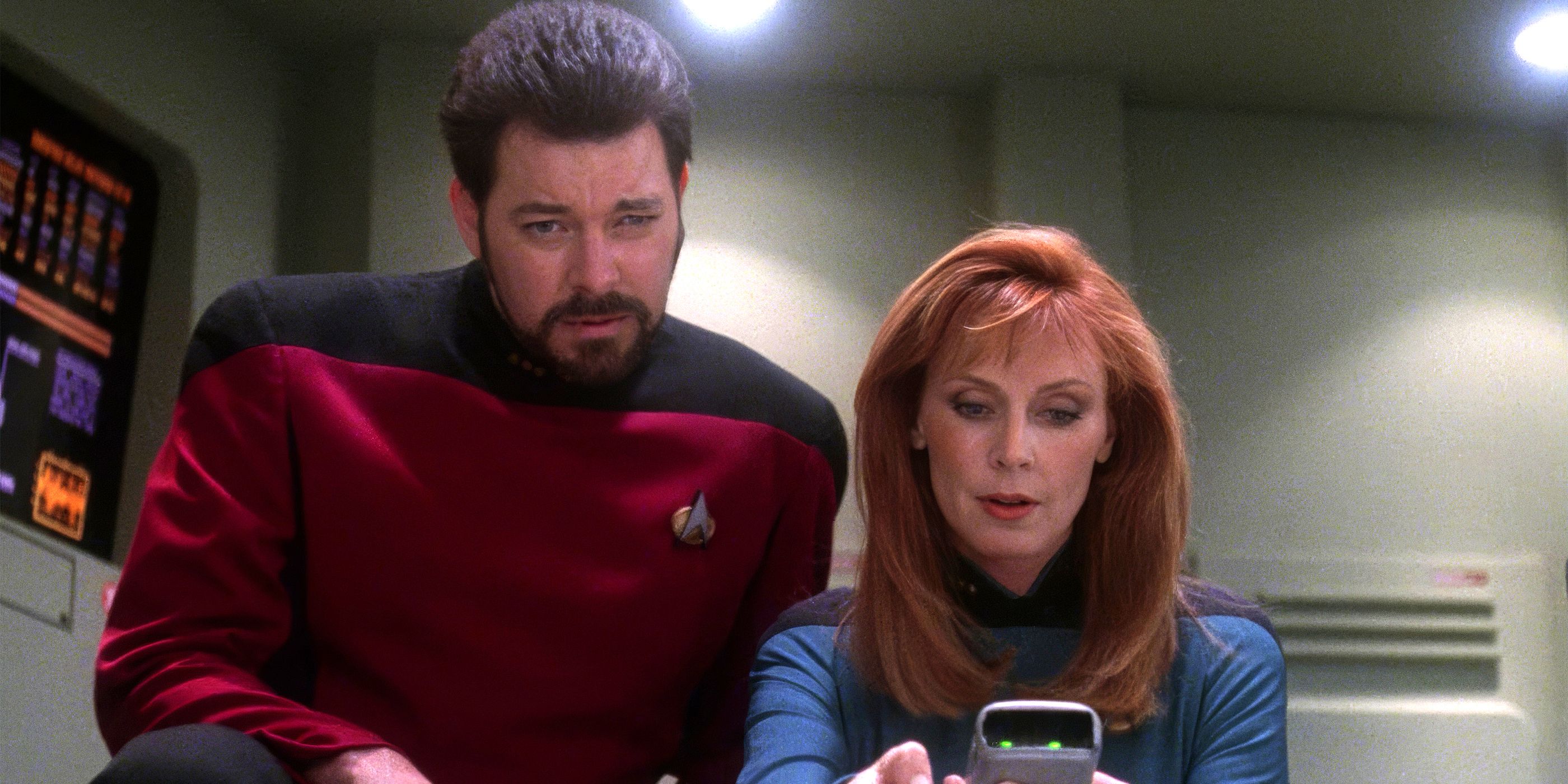
This opinion piece argues that Star Trek: Enterprise, widely seen as the franchise's weakest instalment, failed at world- and character-building in the way that Star Trek: The Next Generation eventually mastered. Both series began with shaky early seasons, but while The Next Generation used that time to find its voice before flourishing from Season 3 onwards, Enterprise never recovered, receiving poor reviews and contributing to the franchise being put on hiatus after its cancellation.
The article traces Enterprise's problems to choices that distanced it from Star Trek's identity: dropping the "Star Trek" name from its title for its first two seasons, an incongruous soft-rock theme song, and an emphasis on making the show "gritty" and "sexy" that sat oddly with its premise, particularly regarding the Vulcan character T'Pol. It also points to wider franchise fatigue after 14 consecutive years of Trek shows and the poorly received finale of The Next Generation era, Star Trek: Nemesis, as compounding factors. Despite a new showrunner and serialised story arcs in later seasons, Enterprise lost viewers steadily and was cancelled in 2005, with its finale criticised for focusing on Next Generation's William Riker rather than its own characters.
In short
- Opinion piece says Enterprise never matched Next Generation's character development.
- Off-brand tone, theme song and franchise fatigue are blamed for its decline.
- Enterprise was cancelled in 2005 after weak ratings and reviews.
Steelman: both sides, in good faith
The strongest fair case each way — we don't pick a winner.
The case for
Enterprise genuinely struggled with identity and coherence, making creative choices that alienated core Trek fans—dropping the franchise name, adopting an incongruous musical theme, and prioritising sensationalism over substance. Whilst The Next Generation overcame similar early struggles by refocusing on its core values, Enterprise's inconsistent direction meant viewers never invested in its characters or world-building. The show's timing during franchise fatigue and after a poorly received film compounded these structural problems, leaving it unable to recover even when later seasons attempted course correction.
The case against
Enterprise pursued a bold prequel concept and willingness to experiment with the franchise's formula, qualities that represent evolution rather than failure. The Xindi arc demonstrated the show could deliver ambitious serialised storytelling, and characters like T'Pol underwent genuine development. The show's cancellation reflected broader shifts in television and network strategy rather than inevitable artistic failure, and reasonable viewers connected with its exploration of exploration and diverse cast. Comparing early Enterprise unfairly to mature-era TNG ignores that all Trek shows required time to find their footing.
Explained simply
Star Trek: Enterprise and Star Trek: The Next Generation are two television series in the long-running Star Trek franchise. Both shows struggled initially with audiences in their early seasons, but The Next Generation went on to become successful, whilst Enterprise failed to build a lasting audience and was cancelled in 2005.
The difference between their trajectories relates to how each show developed its characters and fictional worlds. The Next Generation benefited from having time to establish itself, with quality and popularity increasing significantly from the third season onwards. Enterprise made different creative choices: it did not initially carry the Star Trek name, featured a soft-rock theme song, and attempted to be "gritty" and "sexy" rather than philosophical in tone.
Enterprise's struggles also occurred within the context of wider franchise challenges. There had been 14 consecutive years of Star Trek television by the time Enterprise aired, potentially contributing to viewer fatigue. Additionally, a poorly received Star Trek film had recently been released, damaging the franchise's standing. These factors combined to make it difficult for Enterprise to build the loyal audience that The Next Generation had established.