Entertainment news and discussion on TalkFuse.
Star Wars-style LASERS slashed from Labour’s ‘penny-pinching’ defence budget
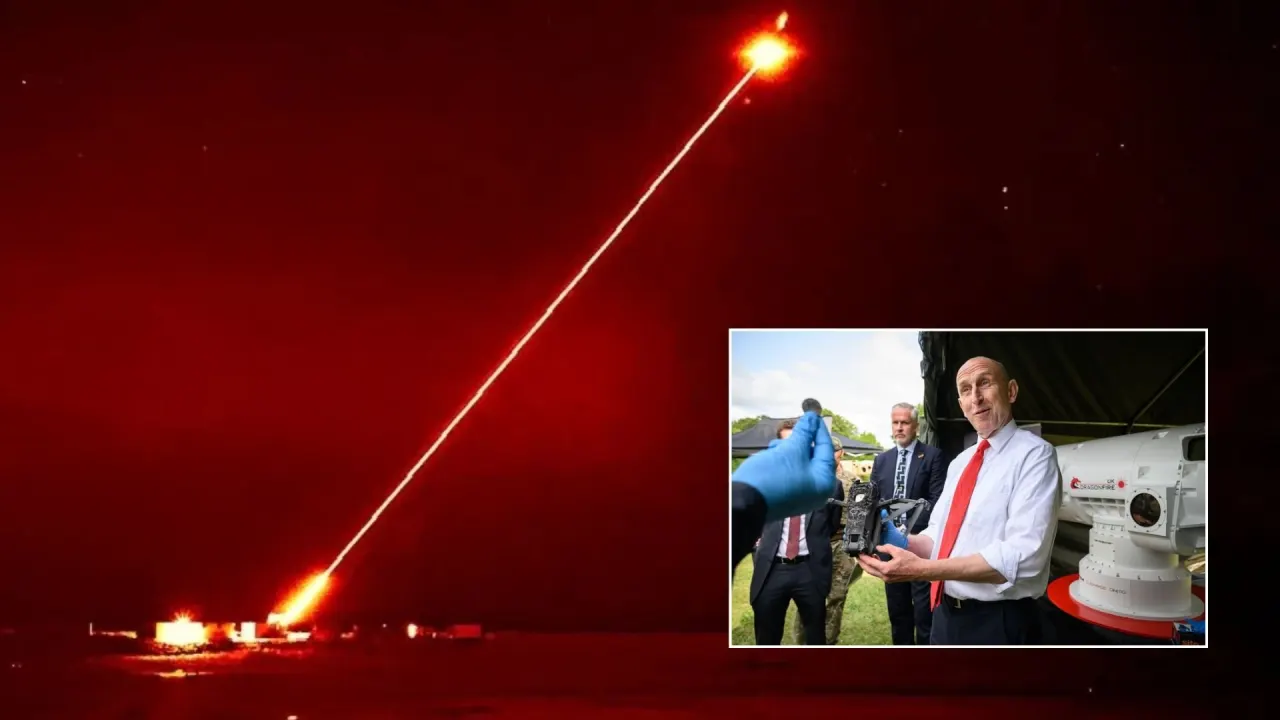
The Ministry of Defence has halved its order for the DragonFire laser weapon system, reducing the number of units from four to two, both destined for Royal Navy warships. MoD sources say the budget for the directed energy weapons programme has been cut from about £1 billion to £500 million, and deployment has been pushed back from 2027 to 2028 at least. Shadow Defence Secretary James Cartlidge has condemned the decision as a false economy, and the Conservatives accuse Labour of prioritising "penny-pinching" over readiness for conflict.
DragonFire was developed at the Government's Porton Down laboratory near Salisbury and can destroy drones and missiles at a cost of less than £10 per shot. The article notes that Ukraine recently used a laser weapon to down a Russian Geran drone for the first time, which critics say highlights the technology's potential. The Times has reported a defence funding shortfall of £28 billion over the coming four years, while the Government says its spending will rise to 2.7 per cent of GDP.
In short
- Britain's DragonFire laser order has been halved, from four systems to two.
- Reported programme budget cut from about £1 billion to £500 million.
- Conservatives say the decision puts cost-cutting ahead of military readiness.
Steelman: both sides, in good faith
The strongest fair case each way — we don't pick a winner.
The case for
The Government's case rests on fiscal discipline and value for money. Ministers can argue that defence spending has to be weighed against other pressing demands, and that directed energy weapons are still maturing, so phasing the order and halving the initial commitment reduces the risk of spending large sums on a system that has not yet been proven at scale in service. Keeping two units on Royal Navy ships preserves the capability and the Porton Down research base, allowing the programme to expand once performance and costs are better understood. Supporters would add that the Government's commitment to raising spending to 2.7 per cent of GDP shows that the decision reflects prioritisation within a rising budget rather than a retreat from defence.
The case against
Critics argue that the cut is a false economy at a time when the threats facing the UK are growing. DragonFire can reportedly engage drones and missiles for under £10 a shot, a cost advantage that matters when conventional interceptors are expensive, and Ukraine's recent success against a Russian drone shows the technology's practical relevance. Reducing the order and delaying deployment to 2028 or later could leave the Royal Navy without a cheap defensive option for years, while the reported £28 billion shortfall over four years suggests the wider budget is already under strain. From this perspective, postponing a promising capability now may cost more in readiness, industrial momentum and lost allied confidence than it saves in the short term.
Celebrity Culture Entertainment Fashion Government Politics UK World