SpaceX urges satellite operators to share precise orbital data
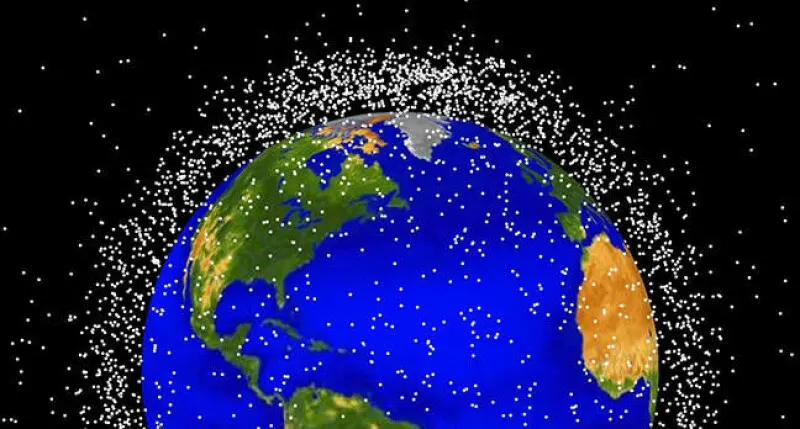
SpaceX says satellite operators should share more accurate position and velocity data, known as ephemeris, so others can predict close approaches and manoeuvre in time. The appeal comes as Starlink reports many conjunctions linked to unannounced manoeuvres, while the company itself seeks approval for much larger satellite constellations, raising questions about its role in orbital congestion.
In 2026, Starlink encountered about 650 third-party satellites that manoeuvred, but only around half shared ephemeris. Over six months it recorded roughly 164,000 conjunctions where the closest approach was within four hours of an unannounced manoeuvre. SpaceX cited two close calls: one predicted miss distance fell from 9 kilometres to 57 metres after an unexpected manoeuvre in October 2025; another pair passed within 134 metres in August 2026. The article also notes that orbital debris can remain in space, unlike aircraft debris, and recalls a 2019 Starlink avoidance failure linked to a paging-system bug.
- SpaceX urges satellite operators to share ephemeris data.
- Starlink recorded about 164,000 conjunctions after unannounced manoeuvres.
- Its proposed constellation growth raises concerns about orbital congestion.
New here? Start with this
Satellites can collide in orbit, and the debris from such collisions poses a permanent hazard to other spacecraft. To minimise collision risk, operators need to know precisely where other satellites are and how they are moving, allowing them to predict close approaches and manoeuvre to safety if necessary.
SpaceX's Starlink network consists of thousands of satellites in Earth orbit, regularly encountering other operators' spacecraft. Data from Starlink indicates that many satellite operators do not publicly share the detailed trajectory information needed for others to predict collisions accurately, limiting the time available to manoeuvre away from danger. When operators do manoeuvre without warning, predicted collision distances can change rapidly from safe to critical.
The issue reflects growing congestion in orbital space as companies launch increasingly large satellite constellations. With multiple operators managing thousands of satellites each, coordination has become more important and more complex. Since debris remains in orbit for decades and cannot be removed, accident prevention through better information sharing is considered essential by the industry.
Both sides, in good faith
The strongest fair case each way — we don't pick a winner.
The case for
Sharing precise ephemeris data is essential for orbital safety. The more accurate position and velocity information all operators possess, the better they can anticipate close approaches and coordinate maneuvers. From this perspective, SpaceX's call for transparency serves a genuine collective safety interest, and expanding data sharing represents the necessary step toward making the orbital environment safer for everyone.
The case against
SpaceX's appeal raises credible concerns about its standing to make this case. Starlink conducts unannounced maneuvers itself, experienced a significant avoidance failure in 2019, and is seeking approval for substantially larger constellations that would increase orbital congestion. Critics argue SpaceX should first address its own opacity and expansion plans before calling on others to share data, contending the company must tackle its own role in creating orbital crowding rather than prescribe solutions for others.
Celebrity Entertainment Space Technology
Read the full article at the source →
Originally published by The Register as “Starlink’s plan to avoid orbital near-misses: Ephemeris sharing”.