World news and discussion on TalkFuse.
Steakhouse warning: How to tell if you’re getting the cut of beef you actually paid for
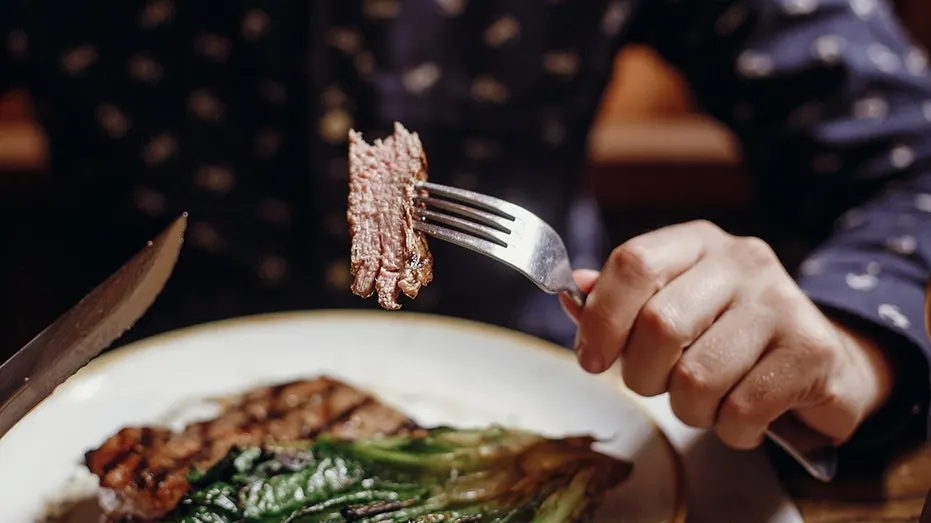
An Illinois diner said Texas Roadhouse served him sirloin instead of the filet mignon he ordered on three visits. The chain confirmed one incident and said it was corrected, prompting wider discussion about how diners can tell whether a steak matches its menu description.
Butchers and chefs say the main cuts differ in tenderness, flavour and appearance. Filet is typically tender, thick and round; rib-eye has a tender centre, a more flavourful outer section and a rib cap; New York strip has a band of fat along one side, while porterhouse combines strip and filet on one bone. A “sirloin filet” may be shaped to resemble filet mignon, though sirloin comes from a more-used muscle and is less tender.
In short
- A diner alleged he received sirloin instead of filet on three visits.
- Filet, rib-eye and strip differ in texture, flavour and appearance.
- USDA grades reflect marbling; Prime is the highest grade.
Explained simply
Steak names refer to different cuts from different parts of the animal, and those cuts vary in tenderness, flavour and shape. Filet mignon comes from a little-used muscle, so it is usually tender and round; sirloin comes from a more-used muscle and is generally less tender.
Other common cuts have their own features: rib-eye often has a rich, fatty outer section, while New York strip usually has a strip of fat along one edge. Porterhouse includes both strip and filet on the same bone. Some restaurants sell “sirloin filet”, shaped to look like filet mignon, so the menu wording matters.
Texas Roadhouse is a US steakhouse chain, and the reported mix-up has drawn attention to how diners can check what they have been served. Comparing a steak’s shape and fat pattern with its menu description may help, though appearance alone cannot always identify a cut with certainty.