Culture news and discussion on TalkFuse.
Steam user data ‘may have been compromised’ by a cyberattack targeting Valve’s European shipping partner
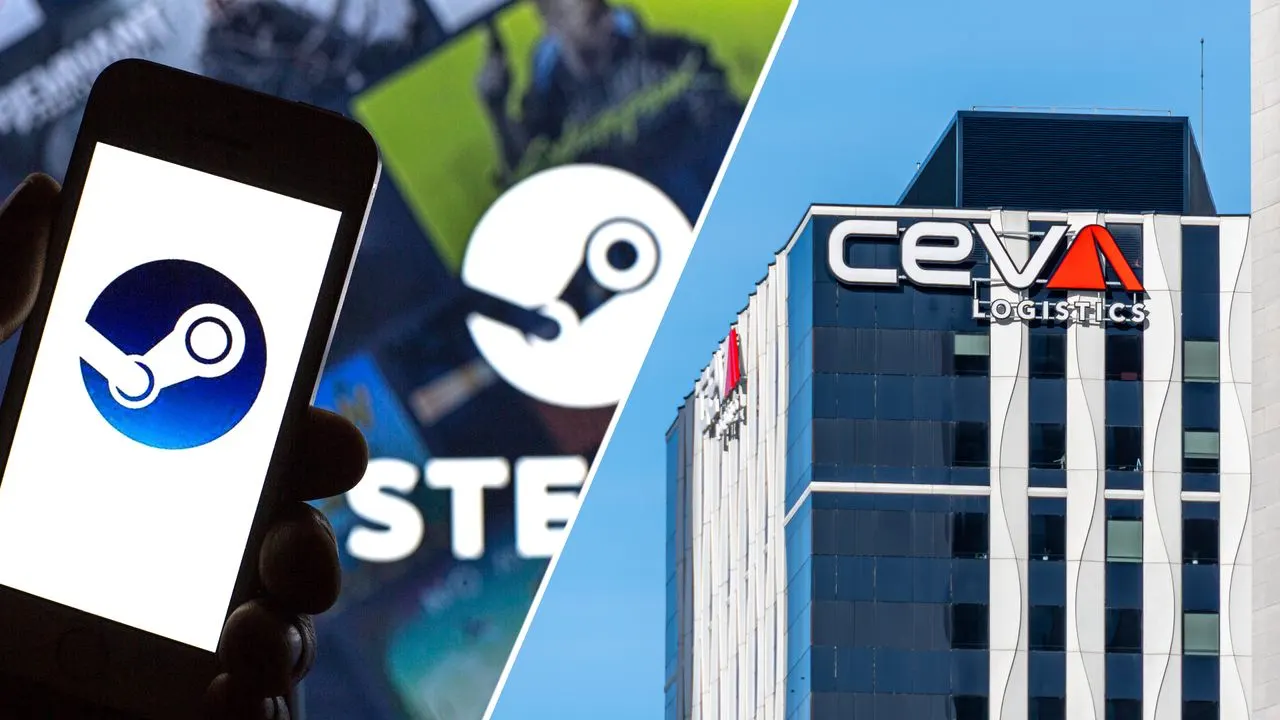
Valve has warned that some European customers who bought Steam hardware may have had their delivery information compromised after a cyberattack on CEVA Logistics, its regional shipping partner. The incident matters because the exposed details could be used for targeted phishing, scam calls or other fraud, although Valve itself was not reported to have been breached.
The attack took place between 29 July and 1 August, and Valve learned on 7 August that customer data may have been taken. CEVA retains delivery information for up to 90 days, so Valve is contacting potentially affected customers; the data includes names, addresses, phone numbers, Steam-linked email addresses, and the type and price of hardware ordered, but not other Steam account or purchase information.
In short
- European Steam hardware buyers may have had delivery data exposed.
- Valve says its own systems were not breached.
- Names, addresses and contact details could be affected.
Steelman: both sides, in good faith
The strongest fair case each way — we don't pick a winner.
The case for
Valve chose to work with CEVA and bears responsibility for ensuring its vendors meet adequate security standards for customer data. The exposed information—names, addresses, phone numbers, and email addresses—is precisely what attackers use for phishing and social engineering, and this breach indicates either insufficient vendor vetting or inadequate contractual security requirements. The company could have demanded higher security standards or performed regular security audits, making this incident a reflection of Valve's own security choices.
The case against
Whilst the breach is concerning, this must be evaluated in context: the compromised data was held by a third-party logistics provider and did not include Steam account credentials or payment information that would enable direct fraud. Valve responded appropriately by notifying customers transparently and promptly about what was and wasn't exposed, allowing users to take reasonable precautions against the primary risks of phishing and mail fraud. Third-party breaches are an inherent risk in modern supply chains, and what matters is proportionate response rather than the impossible goal of zero breaches across all vendors.
Explained simply
Steam is a digital shop and community for PC games, run by the US company Valve. Valve also sells physical products, including gaming devices, which have to be shipped to customers.
For European deliveries, Valve uses CEVA Logistics, a company that handles transport and storage for businesses. Shipping records can include customers’ names, contact details and addresses, along with information about what they ordered.
If delivery details are exposed, criminals could use them to make convincing messages or calls that appear to relate to an order. That can put customers at risk of scams even when their main gaming accounts are not involved.
Art Culture Cybersecurity Europe Technology