Steam’s Most Intriguing Slow-Burn Adventure Game Takes 400 Real-World Days to Finish
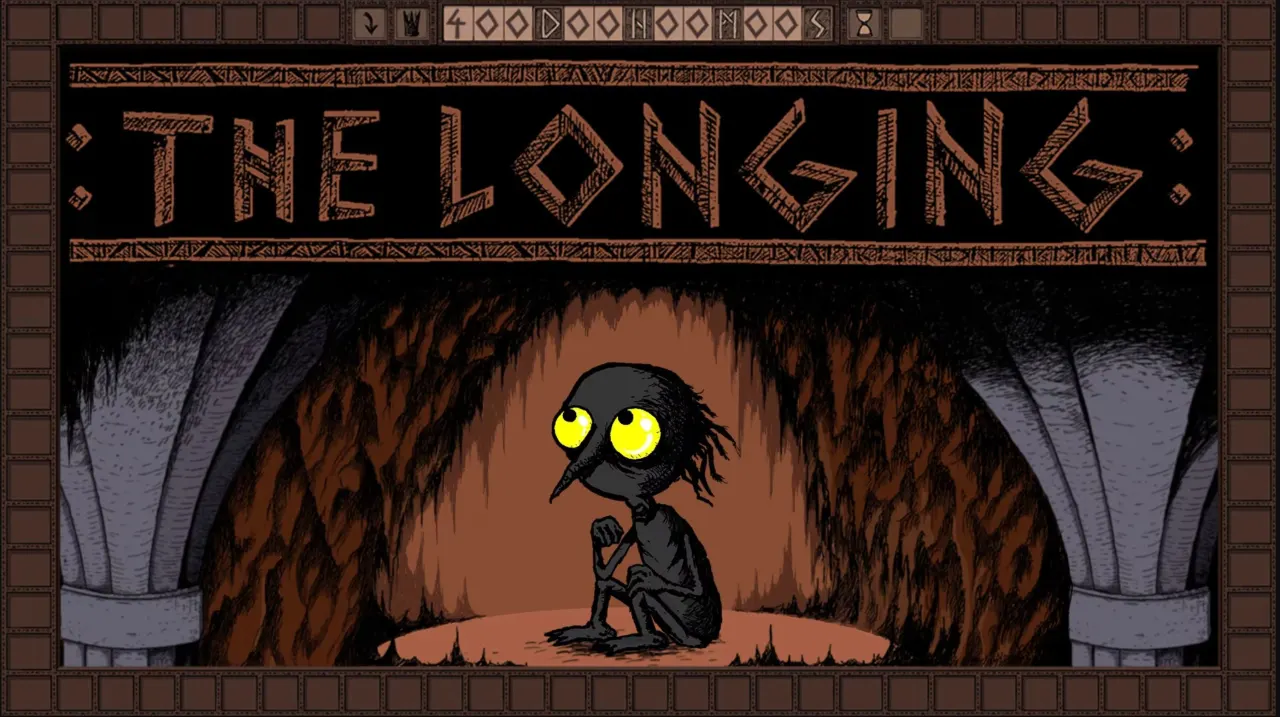
The Longing, an adventure/idle game from Studio Seufz, tells the story of Shade, a small underground creature tasked with waking his king from a 400-day slumber, with the vast majority of in-game progression unfolding in real-world time rather than through traditional skill-based gameplay. This design makes it one of Steam's more unusual titles, as players may need to wait weeks or months for elements such as moss or mushrooms to develop, with the game continuing to progress even when closed.
Alongside slow-paced exploration of hand-drawn caves, players can decorate their home, draw with scavenged coal, or read full in-game texts such as Moby Dick and The Secret Garden. The game currently holds a "Very Positive" rating on Steam, though reception is mixed: some players restart the entire 400-day cycle after feeling they abandoned Shade, while critics have offered mixed verdicts, with one describing it as "Animal Crossing: Depressing Edition." The game features multiple endings, including one where the king is woken successfully, and has drawn comparisons to John Cage's silent composition 4'33" for its meditation on waiting itself.
- The Longing is an idle game requiring 400 real-world days to complete
- Progress relies on real-time waiting rather than skill or quests
- Steam reviews are "Very Positive" but critical reception is mixed
New here? Start with this
The Longing is an adventure game from German studio Studio Seufz. You play as Shade, a small creature living underground, whose king is asleep and due to wake after 400 days.
The game’s clock follows real time, so the wait continues while the game is closed. During that time, players can explore hand-drawn caves, decorate Shade’s home and read books found in the game.
There are several possible endings, including one in which the king wakes. The game’s unusual pace has divided players: some enjoy its focus on waiting, while others find the long cycle difficult to stick with.
Both sides, in good faith
The strongest fair case each way — we don't pick a winner.
The case for
The Longing represents a sophisticated artistic exploration of temporal experience and patience through interactive media. Rather than a limitation, its real-time progression is a deliberate design choice that reframes waiting as central to the narrative and thematic content. By removing traditional gameplay pressure, it creates space for genuine contemplation, creative expression, and literary engagement, positioning gaming as a medium capable of philosophical meditation.
The case against
Whilst artistic experimentation merits consideration, The Longing's reliance on 400 real-world days of passive progression fundamentally misrepresents what gaming entails. Players reasonably expect interactive challenge and agency when purchasing a game, yet this title largely abandons both in favour of enforced waiting that advances the story regardless of player input. The guilt some feel abandoning Shade suggests the design creates artificial emotional investment through time-gating rather than genuine engagement.