Business news and discussion on TalkFuse.
Stephen A Smith blasts SEC for threats to kick LSU out of the conference: ‘Sit your a– down’
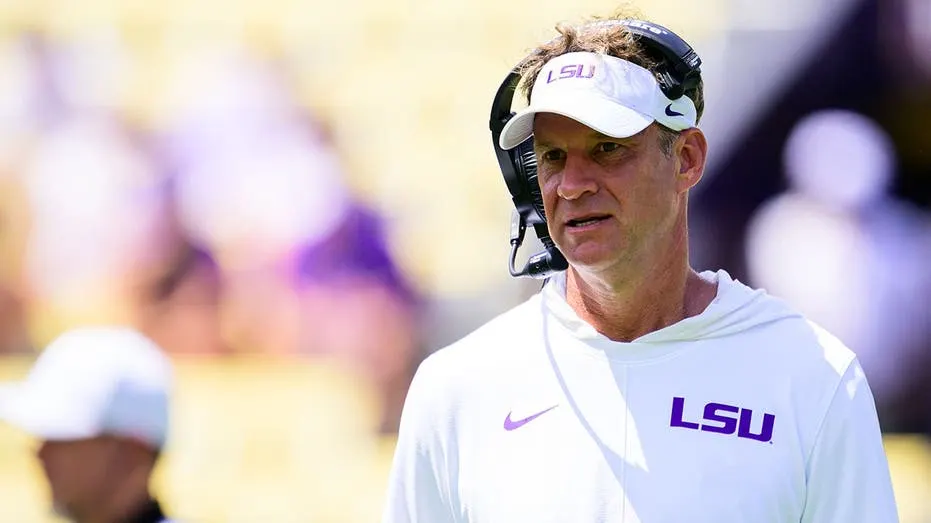
ESPN pundit Stephen A. Smith has publicly criticised the Southeastern Conference (SEC) after reports emerged that it was considering expelling LSU over new head coach Lane Kiffin's attempt to recruit players who had signed NFL contracts but failed to make regular-season rosters. The dispute has become one of the biggest flashpoints of the young 2026 college football season, pitting LSU's aggressive roster-building against the SEC's efforts to protect the "amateur" status of college athletics, and raises broader questions about eligibility rules as the sport's boundaries with professional football blur.
Kiffin, who left Ole Miss for LSU under a cloud of controversy, sought to bring in players such as Dae'Quan Wright and Zxavian Harris who had signed with NFL teams but not made a 53-man roster; LSU won a court injunction confirming their eligibility, prompting the SEC and other conferences to introduce policies barring such returns. Reports suggested the SEC was ready to vote on removing LSU from the conference entirely, a move Smith dismissed as excessive, arguing that signing a contract without playing in an NFL game shouldn't disqualify someone from college football and that LSU would thrive even as an independent, similar to Notre Dame. LSU has since appeared to step back from the plan, adding other players to its roster instead.
In short
- SEC reportedly considered expelling LSU over NFL-return eligibility dispute
- Coach Lane Kiffin tried recruiting cut NFL-signed players back to LSU
- Stephen A. Smith says SEC's stance is overblown; LSU has since backed down
Steelman: both sides, in good faith
The strongest fair case each way — we don't pick a winner.
The case for
The SEC can argue that a clear eligibility line is needed to protect fair competition and the distinctive role of college sport. Allowing players who have signed professional contracts to return could create uneven roster advantages and uncertainty for athletes and schools, so the conference may see consistent rules as more important than individual cases.
The case against
LSU can argue that a player who never made an NFL regular-season roster has not meaningfully begun a professional playing career, and should not lose the chance to compete in college. Its court-backed eligibility position reflects the value of consistent, rules-based decisions; threatening expulsion over a disputed roster choice could appear disproportionate and risk weakening conference members’ autonomy.
Explained simply
College football is played by university teams, many of them in conferences that organise matches and set shared rules. The Southeastern Conference, or SEC, is one of the sport’s leading leagues, and Louisiana State University (LSU) is one of its member schools.
Players can move between college teams, but their eligibility is governed by rules about their status as students and whether they have entered professional football. Signing an NFL contract can complicate that status, even if a player does not make a regular-season roster, and disputes over eligibility may be settled in court.
The issue matters because college teams increasingly compete to recruit experienced players, while conferences seek common rules for their members. It also raises questions about where college sport ends and professional sport begins, and how much authority conferences have over schools that belong to them.