Politics news and discussion on TalkFuse.
Stephen A Smith calls out critics demanding he fact-check Trump ‘on the spot’ in interviews
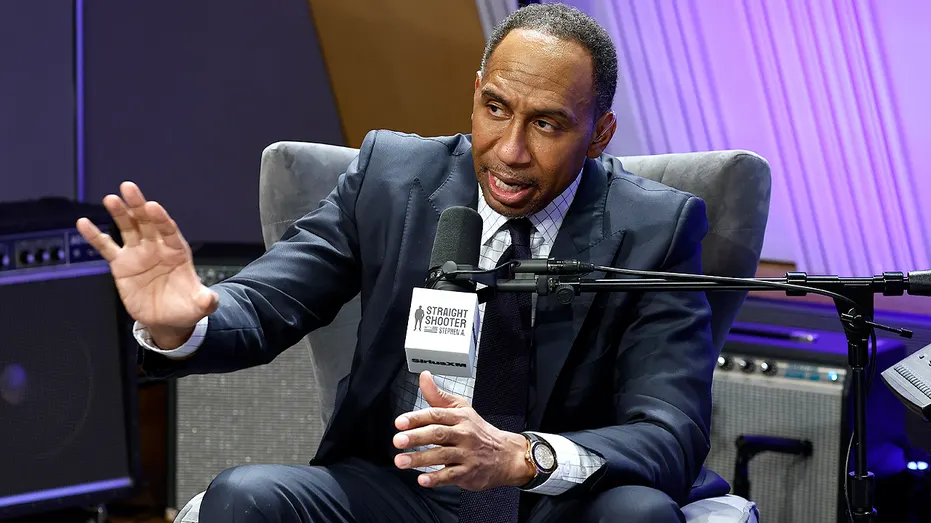
Stephen A. Smith defended his decision not to interrupt Donald Trump repeatedly to fact-check him during a recent White House interview. He said constant challenges could have prevented the interview from happening or prompted Trump to leave, limiting the chance to hear his views on the record.
Smith said he prefers to choose when to push back, then check claims afterwards and correct them as needed. He also said the approach should apply to politicians of both parties, and spent the rest of his video checking some of Trump’s statements. Newsbusters editor Curtis Houck described interviews with high-profile figures as a balancing act.
In short
- Smith says constant interruptions could end an interview.
- He favours recording politicians’ views and checking claims afterwards.
- He says the approach applies to Republicans and Democrats.
Steelman: both sides, in good faith
The strongest fair case each way — we don't pick a winner.
The case for
A sustained interview with a prominent politician can reveal more if the interviewer lets them explain their views rather than interrupting every disputed claim. Smith’s approach can preserve access and make room for considered follow-up and post-interview corrections, while applying the same standard to politicians of either party.
The case against
Leaving questionable claims unchallenged in the moment can let them reach an audience without immediate scrutiny, and later corrections may not reach the same people or have the same impact. Interviewers have a responsibility to test important assertions as they arise, since direct questioning can help viewers assess a politician’s reliability.
Explained simply
Stephen A. Smith is a US sports commentator who also discusses politics and interviews public figures. Donald Trump is a Republican politician who has served as US president, and his statements in interviews can attract close scrutiny.
Interviewers face choices about when to challenge a guest’s claims. Some push back during the conversation; others let the guest speak and check claims afterwards. These choices can affect how much is heard and how viewers judge the interview.