Stephen couldn’t find a free space so he parked his car on the grass… then came the $345 fine from council: ‘Greedy’
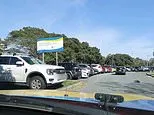
A Brisbane man has criticised Brisbane City Council after being fined $345 for parking his car on a grassed area near a full car park. Stephen Allthorpe, 63, said he had visited Shaw Park in Wooloowin as usual to walk his dog when he found no regular spaces available, prompting him to leave his SUV on the grass opposite the volleyball pits and rugby club instead. He was unaware he had been booked until the infringement notice arrived weeks later, and he argues the council failed to display any signage warning against parking there.
The fine, issued on 9 August, cited a contravention of "a sign, notice, lines or markings" on council land, though Mr Allthorpe insists no such sign existed at the site. He said he only worked out what he had done wrong after searching the council's website, and has since branded the authority "greedy", questioning why it imposes steep fines instead of providing additional parking. He has lodged a challenge against the penalty, and the Daily Mail has approached Brisbane City Council for comment.
- Brisbane driver fined $345 for parking on grass near full car park
- He says no signage warned against parking there
- He has called the council "greedy" and is challenging the fine
New here? Start with this
Shaw Park is a public sports and recreation area in Wooloowin, Brisbane, used by local clubs and people walking their dogs. Brisbane City Council manages the site, including its car parks and the rules for parking on council land.
Drivers are expected to follow signs and markings, and councils can issue fines when parking rules are breached. The dispute centres on whether the rules against parking on the grass were clear at the spot and how the council should balance parking demand with protecting its grounds.
Both sides, in good faith
The strongest fair case each way — we don't pick a winner.
The case for
Stephen's position rests on fairness and clarity. A $345 fine for a first-time, good-faith error made without visible warning signage seems disproportionate and punitive rather than corrective. The underlying problem is insufficient parking capacity; rather than penalising drivers for the council's planning shortfall, resources would be better spent providing additional spaces or clearer guidance. This approach would address the environmental concern whilst respecting drivers' reasonable expectations.
The case against
The council's position centres on environmental protection and rule of law. Grassed areas serve essential functions that vehicle traffic damages; these spaces must be protected regardless of parking pressure. Drivers bear responsibility for knowing regulations without relying on signage at every potential violation point. A $345 fine is proportionate for parking infringement and serves as necessary deterrent—allowing rule-breaking based on inconvenience would unfairly advantage those willing to damage park infrastructure.