STEPHEN GLOVER: A sunny PM after dour Starmer is a relief. But Burnham’s ‘spend, spend, spend’ mantra will prove his downfall
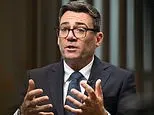
Daily Mail columnist Stephen Glover writes that while Andy Burnham's upbeat manner as the new Prime Minister is a welcome contrast to Sir Keir Starmer's gloominess, he fears Burnham's early spending pledges show a lack of fiscal seriousness. Glover argues Burnham took power without a mandate or clearly explained policies, and after just a week in office is already promising a raft of costly giveaways without any indication of how they will be funded.
Burnham has pledged to remove VAT from domestic electricity bills, cap bus fares at £2, end rough sleeping and cut business rates for pubs and music venues, policies Glover puts at a combined cost of around £1.7 billion. He warns this is only the start, noting expected announcements on adult social care (estimated at £18.7 billion a year by the Health Foundation), youth employment and defence spending, where reaching 3% of GDP by 2030 could cost an extra £10 billion annually, all while Burnham has given no sign of where savings might be found.
In short
- Glover welcomes Burnham's optimism but doubts his grip on policy
- Burnham's early pledges cost roughly £1.7 billion, unfunded so far
- Bigger costs loom: social care, youth jobs and defence spending
Steelman: both sides, in good faith
The strongest fair case each way — we don't pick a winner.
The case for
Supporters of Burnham's approach would argue that a new government facing real hardship, from soaring energy bills to rough sleeping and struggling high streets, should act decisively rather than wait for a perfectly costed programme before offering relief. They would say that scrapping VAT on electricity, capping bus fares and helping pubs and music venues reflects clear values and addresses urgent, tangible problems that voters care about. Early, visible action can also build public trust and momentum for a new administration, and some costs, such as tackling rough sleeping or under-investment in social care, may save money in the long run by preventing more expensive crises later. A leader distinguishing himself through optimism and willingness to act, they might argue, is preferable to the caution that critics associate with his predecessor.
The case against
Sceptics would counter that responsible government requires showing how commitments will be funded before making them, especially when the sums involved, potentially tens of billions of pounds a year once social care and defence spending are included, are substantial. They would argue that a leader who has not won a mandate through a general election bears an even greater obligation to demonstrate fiscal discipline and transparency, rather than announcing popular giveaways within his first week. Unfunded pledges risk being reversed later, as has happened to past governments, damaging credibility and potentially requiring tax rises or borrowing that burden the public further. On this view, prudence and clarity about trade-offs, however less exciting than promises of help, are essential to sound governance and protecting the public finances.
Explained simply
Andy Burnham has recently become Prime Minister, succeeding Sir Keir Starmer. In his opening days in office, Burnham has struck a noticeably more upbeat public tone than his predecessor, but has already announced several significant spending commitments.
Burnham's early pledges include removing VAT from domestic electricity bills, capping bus fares at £2, tackling rough sleeping and cutting business rates for pubs and music venues. Additional spending plans are being prepared on adult social care, youth employment and defence spending.
The concern being raised is whether the government has credible plans to fund these ambitious commitments. With billions of pounds in spending pledged but no clear explanation of how the money will be found, observers have questioned whether the policies have been properly thought through and whether the approach is fiscally sustainable.
Business Celebrity Entertainment Government Markets Politics World