Glover calls for Tory-Reform alliance as Labour gains from scandal
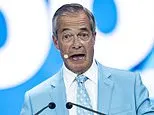
Daily Mail columnist Stephen Glover argues that a Channel 4 News sting targeting Reform UK aides has damaged both Reform and the wider effort to remove Labour from power, and calls for the Tories and Reform to strike an electoral pact. He is critical of Nigel Farage for allowing inexperienced aides to be caught out, but argues the party's support base is too broad to collapse entirely, and warns that Tories celebrating Reform's troubles are mistaken, since Labour under Andy Burnham stands to gain most from any Reform decline.
The article details how Cambridge theology academic James Orr and 30-year-old aide Dan Jukes were suspended after being filmed apparently seeking donations from a fake foreign billionaire, part of a wider circle of young, inexperienced Farage aides that also includes press chief Ed Sumner and George Cottrell, whose mother's £500,000 donation to Reform is under police investigation. Glover cites polling showing Reform was over ten points ahead of Labour a year ago but that Labour has now edged a few points ahead of Reform, while the Tories under Kemi Badenoch have made only modest gains, leading him to conclude that only a Tory-Reform pact can prevent Labour from being re-elected.
In short
- Columnist blames Farage's inexperienced aides for a damaging Channel 4 sting
- Polls show Labour under Burnham now ahead of both Reform and the Tories
- Author urges a Tory-Reform electoral pact to defeat Labour
Steelman: both sides, in good faith
The strongest fair case each way — we don't pick a winner.
The case for
A Tory–Reform pact could reduce vote splitting among voters who want a change of government, especially as polling suggests Labour has moved ahead of Reform while the Conservatives have made only modest gains. Supporters may argue that co-operation on candidate selection or electoral strategy is a practical response to the electoral system and gives those voters a clearer route to influence the result.
The case against
A pact could alienate voters who support one party precisely because it differs from the other, and could weaken both parties’ identities or credibility. Critics may also argue that polling is uncertain and that the parties should compete on their own policies, letting voters decide rather than making an agreement whose terms and electoral effects are unclear.
Explained simply
Reform UK is a political party led by Nigel Farage, while the Conservatives, often called the Tories, are the UK’s other major party on the right. Both compete for voters who want a change of government, so shifts in support for one can affect the other.
The story centres on scrutiny of Reform’s aides and the party’s fundraising, alongside polling that has changed the parties’ relative positions. Labour is led nationally by Keir Starmer; Andy Burnham is the Mayor of Greater Manchester and a senior Labour figure.
The debate over an electoral pact reflects concern about how votes are divided between parties. Under the UK’s constituency system, parties can lose seats when similar candidates split support, making alliances a recurring issue in elections.
Read the full article at the source →
Originally published by Daily Mail as “STEPHEN GLOVER: Burnham is profiting from Farage’s troubles. To save Britain from Labour we MUST have a Tory and Reform pact”.