World news and discussion on TalkFuse.
STEPHEN GLOVER: Most of us are fed up to the back teeth with Harry and Meghan. Why should we have to fork out for their protection?
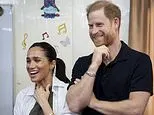
Daily Mail columnist Stephen Glover argues that Prince Harry and Meghan Markle should not receive taxpayer-funded police protection when they return to live in Britain, warning that any such move would provoke public anger and further damage the monarchy. He notes that Harry has long insisted he would not return without a guarantee of official protection, yet the couple are now reportedly house-hunting in the Cotswolds despite no public resolution of the security dispute, prompting suspicion that a favourable decision may have already been made behind the scenes.
Glover cites three developments fuelling his suspicion: comments from Andy Burnham describing the arrangements as "a private matter" without ruling out state funding, calls from Labour MPs including Emily Thornberry for taxpayer-funded protection, and news that a fresh security risk assessment was ordered by the Royal and VIP Executive Committee just a month ago. He references a Mail on Sunday poll showing 68 per cent of respondents believe the Sussexes should fund their own security, and criticises Harry for showing no contrition, contrasting him unfavourably with the biblical Prodigal Son and recalling his 2023 demand that the Royal Family apologise to Meghan.
In short
- Columnist opposes taxpayer funding of Harry and Meghan's UK security
- Couple reportedly house-hunting in Cotswolds amid unresolved protection row
- Poll shows 68% think Sussexes should pay for their own protection
Steelman: both sides, in good faith
The strongest fair case each way — we don't pick a winner.
The case for
Prince Harry remains a senior member of the Royal Family and faces genuine security threats partly stemming from his royal status and public profile, regardless of his professional choices. Providing appropriate protection enables him to live safely in his home country and supports family reconciliation, which serves broader national interests. The costs are modest within royal security budgets, and denying protection based on personal disagreements rather than security assessment sets a problematic precedent for how the state treats senior royals.
The case against
Harry and Meghan voluntarily stepped away from royal duties to pursue independent financial interests and should accept the consequences by funding their own security. Public opinion strongly opposes taxpayer support, reflecting legitimate concern that the state should not subsidise choices made by the wealthy for personal reasons. Granting funding after Harry demanded it as a precondition for return suggests capitulation to pressure, rewarding intransigence and undermining public trust in the monarchy's accountability.
Explained simply
Harry is the younger son of King Charles III. He and his wife, Meghan Markle, stepped back from royal duties in 2020 and moved to the United States. Since then, they have had a dispute with the UK authorities over whether Harry should receive police protection when visiting Britain.
Police protection for senior royals and other public figures is assessed according to security risks and is generally paid for by the state when provided. Harry has argued that his family needs protection in Britain, while critics say the couple should pay for private security themselves. The question matters because it involves public spending, personal safety and how the monarchy is viewed.