World news and discussion on TalkFuse.
Stephen Miller’s internal memo unleashes Trump agencies after ‘absolute control’ under Wiles’ reign
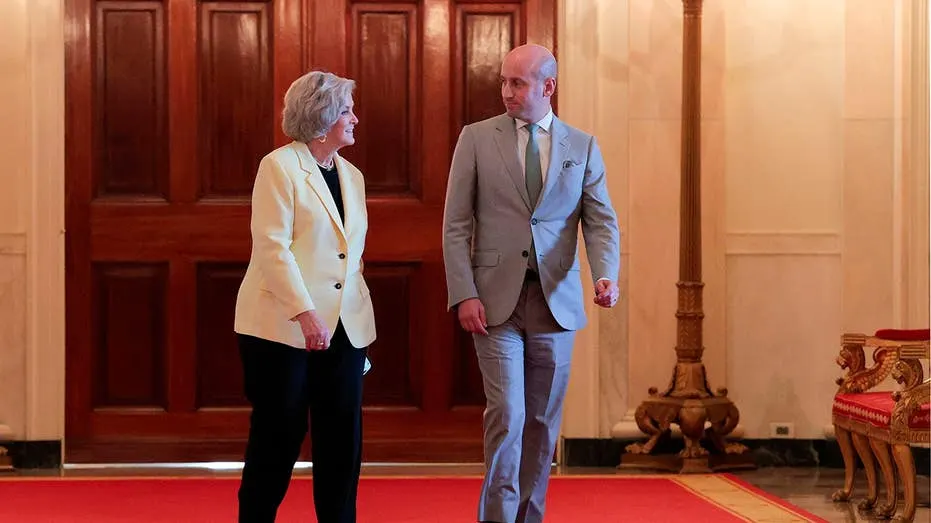
A memo issued after Stephen Miller became White House chief of staff describes a change in how the Trump administration supports Cabinet departments. It gives Cabinet secretaries more scope to lead their departments’ communications, signalling a move away from the tighter, administration-wide messaging control attributed by sources to former chief of staff Susie Wiles.
The memo renames the Cabinet Secretary role Director of Cabinet Relations, with a focus on supporting Cabinet leaders. It also says presidential scheduling staff will report to deputy director Chamberlain Harris and confirms Caleb Orr will become chief of staff for policy. Sources quoted in the article describe the change as a shift towards trusting departments to communicate on their own, while one former official alleges Wiles used pressure to enforce control.
In short
- Miller’s memo gives Cabinet secretaries more control over department messaging.
- The Cabinet Secretary role is being renamed Director of Cabinet Relations.
- The memo also sets out changes to scheduling and policy roles.
Steelman: both sides, in good faith
The strongest fair case each way — we don't pick a winner.
The case for
Giving Cabinet secretaries more room to communicate can make departments more responsive and let leaders explain policies using their subject knowledge. Supporters could argue that a centralised messaging system risks slowing communication and obscuring who is accountable for decisions, so a more supportive role for Cabinet Relations may improve clarity and trust.
The case against
A coordinated White House message can help ensure that departments communicate policies consistently and do not create confusion about the president’s priorities. Critics could argue that loosening central oversight risks contradictory statements and weakens the administration’s ability to explain its agenda as a whole, even if the previous approach was experienced by some officials as overly controlling.