Steve Hilton, Republican Candidate for Governor, Rolls Out Expanded Hollywood Plan
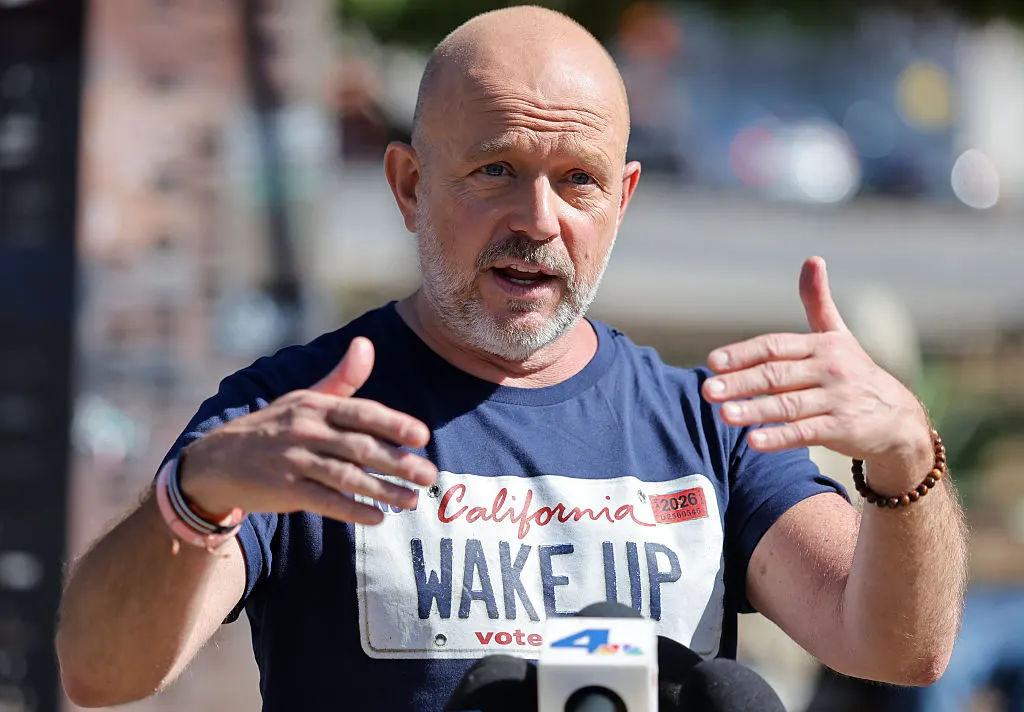
Republican California governor candidate Steve Hilton has expanded his plan to revive Hollywood production, proposing larger tax credits and state-backed financing for studio repairs and modernisation. The proposals address a sharp fall in production work and aim to make California more competitive, while his Democratic rival Xavier Becerra has also called for action but has given fewer details.
Hilton proposes a 40% state production tax credit, potentially rising to 50% for five years, and would remove the current $750 million cap, with rolling approvals and decisions within 30 days. He would also extend eligibility to commercials, documentaries and reality television, offer a five-year sales tax exemption on studio building materials, and back bonds for studio purchases and renovations. California production jobs have fallen by about 52,000 over four years, and Los Angeles soundstages are 62% occupied; the state’s existing 35% credit can rise to 45% but is limited by application rounds and available funding.
- Hilton proposes raising California’s film tax credit to 40%.
- He may lift it to 50% for five years.
- His plan also targets studio repairs and construction.
New here? Start with this
Hollywood production supports a wide network of jobs in California, from film crews and actors to businesses supplying studios. In recent years, production work has fallen sharply, and many Los Angeles soundstages have been left unused.
California already offers tax credits to productions that film in the state, but the programme has funding limits and awards are made in application rounds. State leaders are considering how to attract more filming and help studios maintain or upgrade their facilities.
Steve Hilton and Xavier Becerra are candidates for California governor from the Republican and Democratic parties respectively. Their proposals matter because the next governor would help shape state policy and spending on an industry that is an important source of work in California.
Both sides, in good faith
The strongest fair case each way — we don't pick a winner.
The case for
Supporters could argue that California’s sharp loss of production work calls for a larger, faster and more predictable incentive, so studios can compete with other states and countries offering attractive terms. Extending credits to more types of production and helping finance studio upgrades could support jobs and preserve the facilities and skills that underpin the industry.
The case against
Critics could argue that raising credits, removing the funding cap and backing studio borrowing risks committing substantial public money without assurance that production will stay in California once incentives end. They may prefer targeted, limited support or other investments, and seek evidence that the added activity and jobs would outweigh the cost to taxpayers.