Business news and discussion on TalkFuse.
STEVE MOORE: The IRS went after honest landowners. It’s time to end this tax nightmare
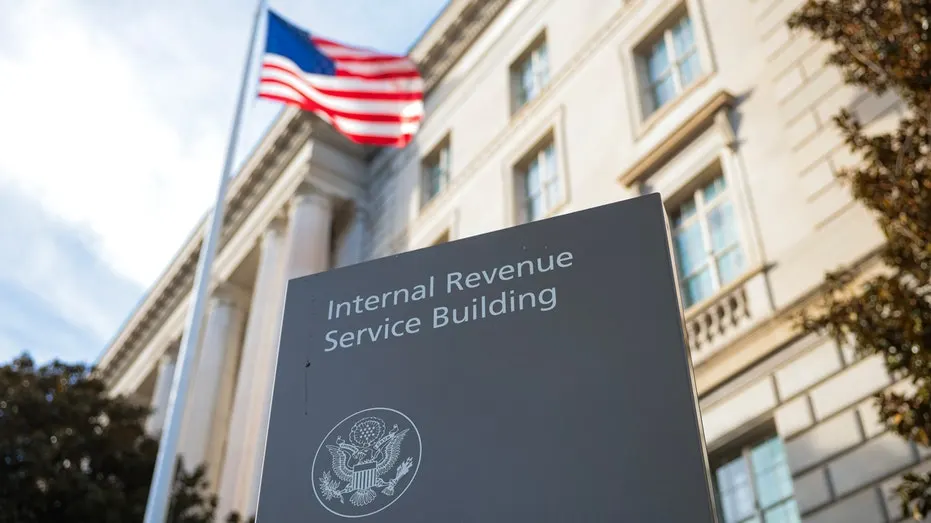
The opinion article argues that the IRS mishandled conservation easement tax cases by treating legitimate landowners like fraudsters. It says the agency’s decision to withdraw standardised settlement deadlines and create a new Office of Conservation Easements could lead to a fairer review of disputed claims.
Conservation easements offer tax incentives to landowners who permanently protect forests, ranches and farmland from development. The article says around 250,000 taxpayers are affected, while court cases face a backlog of roughly 10 years; it acknowledges fraudulent valuations exist but argues that broad IRS enforcement, inconsistent court outcomes and desk-based assessments have also harmed compliant taxpayers.
In short
- IRS pauses disputed conservation easement settlements.
- New office may review cases more fairly.
- Tax Court backlog could take about 10 years.
Steelman: both sides, in good faith
The strongest fair case each way — we don't pick a winner.
The case for
The IRS has a duty to prevent inflated valuations and protect public revenue, since conservation easement deductions can be abused and fraudulent claims undermine confidence in the tax system. Consistent enforcement and timely settlements could help ensure that incentives go to genuine conservation rather than tax avoidance, while reducing prolonged disputes for taxpayers and the courts.
The case against
Landowners who make permanent conservation commitments should be treated fairly when claiming incentives Congress created for that purpose. Broad enforcement, desk-based assessments and inconsistent outcomes can penalise compliant taxpayers, while years-long court backlogs leave claims unresolved; withdrawing rigid settlement deadlines and creating a specialist office could allow more careful, consistent review.
Explained simply
Conservation easements are legal agreements in which landowners give up some or all rights to develop their land, often to protect farms, ranches or natural areas. In the United States, tax rules can give landowners a deduction for making these agreements, based partly on the value of the development rights they give up.
The Internal Revenue Service (IRS), which collects federal taxes, has challenged some of these deductions, including cases involving inflated land valuations. The disputes have led to years of court proceedings, and the article says many landowners believe legitimate claims have been treated too broadly as suspect.
The debate is about how to distinguish valid deductions from fraudulent ones and how quickly disputed claims should be resolved. It matters to landowners, conservation groups and taxpayers, because the rules affect both the cost of protecting land and the fairness of tax enforcement.
Business Environment Markets Science World