World news and discussion on TalkFuse.
STEVEN D ANDERSON: Time for Supreme Court to fix ‘race neutral’ discrimination
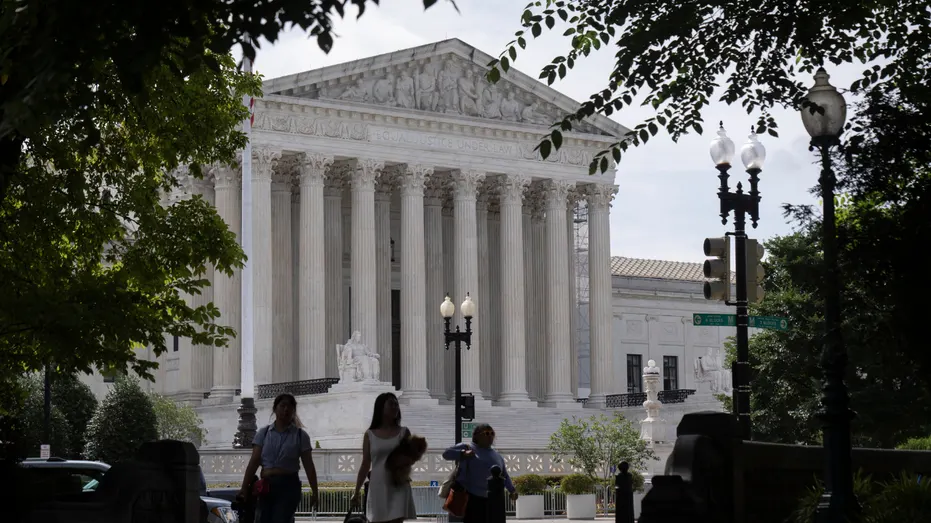
The Supreme Court has agreed to hear a challenge by parents to Montgomery County, Maryland’s admissions process for four selective magnet middle schools. The case asks whether a policy that uses race-neutral criteria can still unlawfully discriminate if it is designed to change the racial make-up of schools, and whether students’ individual rights depend on how their racial group is represented.
The opinion article says the county introduced locally adjusted test-score thresholds and a lottery after consultants found Black and Hispanic pupils underrepresented in the magnet schools. Pupils in some school clusters, including those with high Asian-American enrolment, reportedly need to score in the 93rd district-wide percentile to qualify, compared with the 60th percentile elsewhere. The article says Asian-American participation at one school fell from 58.2% to 30.3% and argues the Supreme Court could overturn a Fourth Circuit precedent that limits when such policies can be challenged.
In short
- The Supreme Court will review a challenge to Montgomery County school admissions.
- The policy sets different test-score thresholds across school clusters.
- Asian-American enrolment at one school fell from 58.2% to 30.3%.
Steelman: both sides, in good faith
The strongest fair case each way — we don't pick a winner.
The case for
The parents’ strongest case is that public schools should assess each pupil by the same academic standards, and that deliberately adjusting thresholds to alter racial representation can impose unequal burdens even when the rules do not name race. Large differences in qualifying scores between school clusters, alongside the reported fall in Asian-American participation, may support scrutiny of whether the policy’s design and effects disadvantage particular pupils. They argue that individual rights should not depend on whether a pupil’s racial group is overrepresented or underrepresented.
The case against
The county’s strongest case is that the admissions rules use race-neutral measures and aim to broaden access to selective schools for pupils who have faced uneven educational opportunities. Adjusting thresholds by school cluster and using a lottery could recognise differences in local schooling and reduce reliance on a single test score, while seeking a more inclusive intake without assigning places by race. The county can argue that changes in group representation alone do not establish that any pupil was treated unlawfully, and that schools should retain room to pursue fair access through neutral criteria.
Americas Asia Government Politics World