Stop Touching Your Keyboard. Use This AI-Powered Microphone Instead
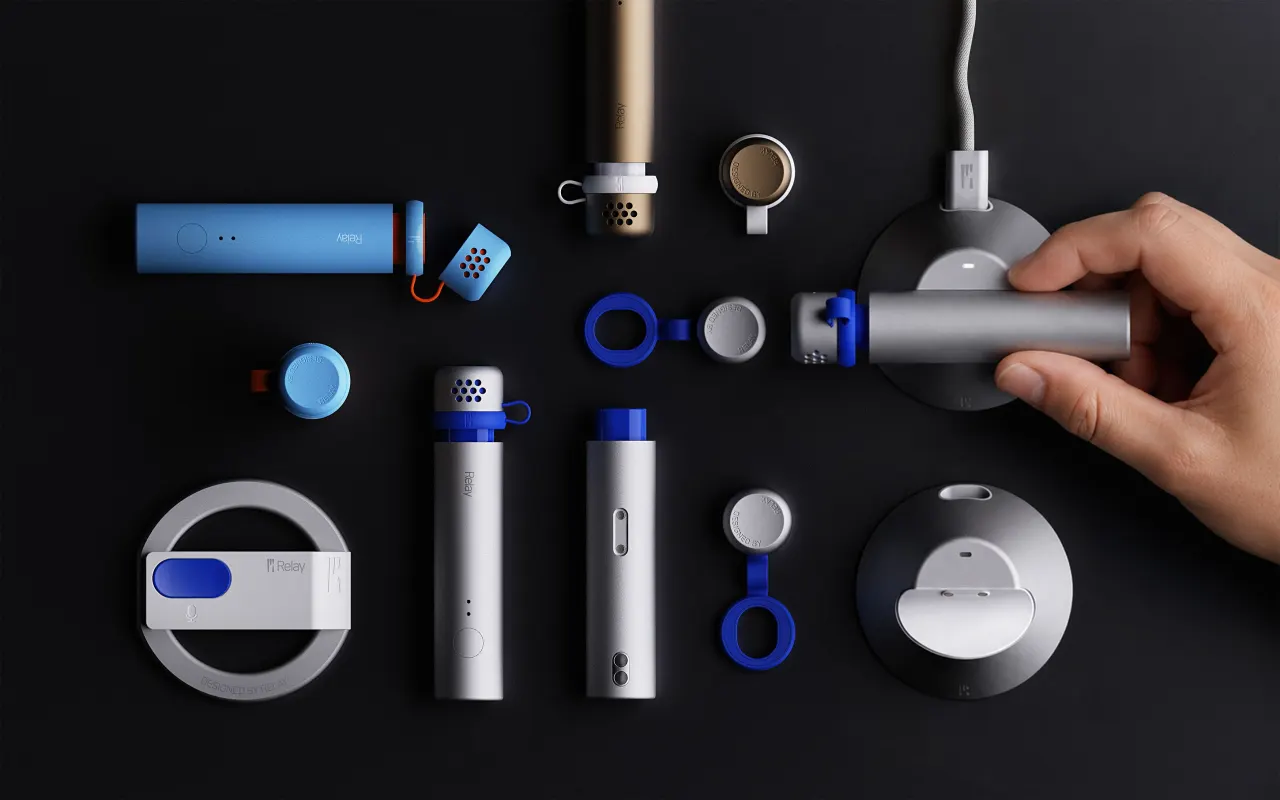
London startup Relay has launched a macOS voice-to-text app and plans to release a dedicated portable microphone, the Relay Q, in early 2027. Founded by former Nothing employees Cookie Xu and Raymond Zhu, it aims to make workplace dictation more practical by allowing users to speak quietly without relying on a computer’s built-in microphone. The product matters because it combines transcription with AI-driven desktop actions, but it also raises privacy and security concerns through the broad permissions needed.
Relay is powered by Google’s Gemini models and activates in any text field via a configurable hotkey, with the default set to Fn. Its “Skills” can draft messages, create calendar events and interact with apps such as Slack, WhatsApp and Gmail, although tests found some functions unreliable and transcription less accurate than Google’s Pixel 11 Rambler feature. Relay says data is stored locally and can be deleted by users; however, processing passes through Relay’s servers to Google, while optional screen snapshots enable automation across the operating system.
- Relay launches macOS AI dictation ahead of a dedicated microphone in 2027.
- Its automation features need extensive microphone and screen-access permissions.
- Early testing found transcription and app actions inconsistent.
New here? Start with this
Voice-to-text software turns spoken words into typed text, and some newer tools can also carry out computer tasks. Relay is a London startup founded by former Nothing employees Cookie Xu and Raymond Zhu; its software is designed for Mac computers and uses Google’s Gemini AI models.
Relay’s software can transcribe speech in text fields and use “Skills” to help with tasks such as drafting messages or creating calendar events. These features need access to other apps, and optional screen snapshots can help the software act across a computer, making data handling and permissions relevant to users considering it.
Both sides, in good faith
The strongest fair case each way — we don't pick a winner.
The case for
Voice input represents a genuine productivity enhancement and accessibility benefit for many workers, particularly those managing repetitive typing tasks or experiencing strain injuries. Relay's local data storage and user deletion options demonstrate a privacy-conscious approach, whilst the technology itself advances workplace capabilities and remains a consumer choice—users need not adopt it if they prefer traditional input methods.
The case against
The broad permissions required across multiple applications, combined with data processing through Relay's servers and Google's infrastructure, create material security and privacy risks that go beyond typical software. Screen snapshot capabilities for automation are particularly invasive, potentially exposing sensitive information in background windows, and the performance disadvantage relative to established competitors suggests the convenience gains may not justify the surveillance surface area being created.