Sport news and discussion on TalkFuse.
Storm player wears trans rights shirt ahead of Fever game in stark contrast to Sophie Cunningham’s stance
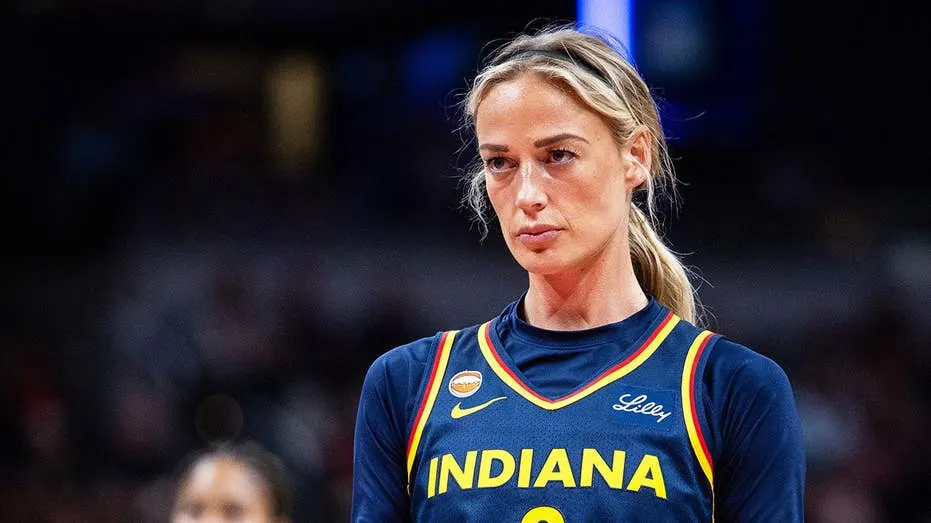
A Seattle Storm player wore a T-shirt supporting transgender rights ahead of a WNBA game against the Indiana Fever, offering a visible counterpoint to Fever guard Sophie Cunningham, who had recently drawn attention for publicly defending women's sports categories. The gesture highlights the ongoing debate within the WNBA over transgender inclusion in women's sport, an issue that has become increasingly politicised and divisive among players, fans and commentators.
The game itself saw Caitlin Clark score 32 points as the Fever completed a season-series sweep of the Storm, though the on-court result was overshadowed by the off-court political messaging. Cunningham's earlier comments had already sparked a media firestorm, with supporters rallying behind her stance while activist groups staged counterprotests at Fever games, underscoring how the debate has spilled beyond the sport itself into broader cultural and political discourse.
In short
- Storm player wore trans rights shirt before facing the Fever
- Contrasts with Sophie Cunningham's public "women's sports" stance
- Clark scored 32 as Fever completed season sweep of Storm
Steelman: both sides, in good faith
The strongest fair case each way — we don't pick a winner.
The case for
Supporters of transgender inclusion in women's sports argue that transgender women are women and deserve equal participation in athletics. They contend that evidence-based inclusion policies—such as testosterone suppression requirements—can accommodate fairness whilst respecting transgender athletes' dignity and right to compete. From this perspective, blanket exclusions constitute discrimination against a marginalised group, and the focus should be on ensuring inclusive participation rather than treating transgender athletes as inherent threats to women's sport.
The case against
Those defending sex-based sports categories argue that women fought for decades to establish dedicated athletic spaces, creating genuine opportunities that deserve protection. They maintain that biological differences remain relevant to competitive fairness even post-transition, and that sex-based categories reflect legitimate interests in preserving spaces specifically for female athletes—a principle grounded in feminist thought rather than animus toward transgender people. This view holds that both inclusion and fairness are important values, but that sex-based divisions represent an appropriate way to honour women's sport's hard-won protections.
Explained simply
The WNBA is at the centre of a significant debate about transgender inclusion in women's sport. This reflects broader conversations across professional and amateur sports about how women's categories should be defined and who should be eligible to compete.
Players within the league hold different views on this issue, and some have made public statements about their positions. These contrasting stances have attracted intense attention and sparked strong reactions from supporters and activist groups both inside and outside professional basketball.
The debate has become increasingly politicised and divisive, extending well beyond sports forums into wider cultural and political discourse. The question of how women's sport should be structured remains deeply contested among players, fans and commentators.
Basketball Celebrity Entertainment Sport World