Entertainment news and discussion on TalkFuse.
‘Strange New Worlds’ Does 1 Thing Perfectly When It Comes to Star Trek
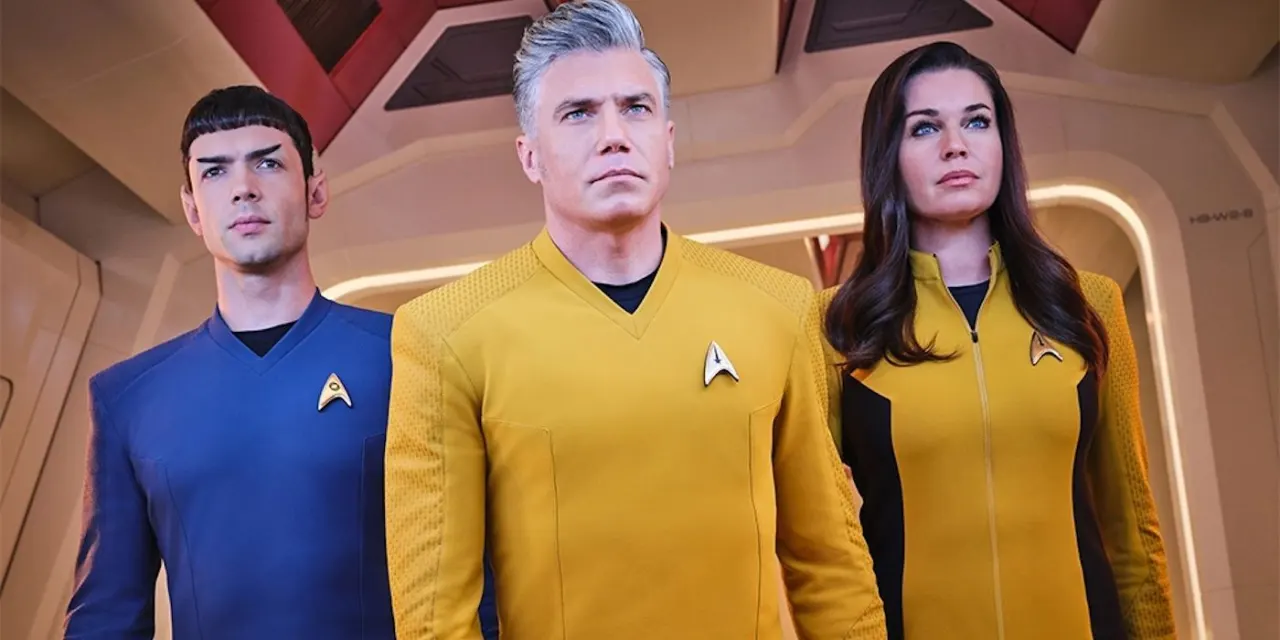
Star Trek: Strange New Worlds has drawn praise for balancing episodic, self-contained storytelling in the style of the original 1960s series with the deeper serialised character arcs favoured by more recent "New Trek" productions such as Discovery and Picard. Rather than reverting entirely to old-fashioned standalone episodes or fully embracing modern arc-driven television, the show blends both approaches, which the article argues is a key reason for its success and its distinctiveness within the wider franchise.
Each episode of Strange New Worlds presents a new adventure for the crew of the Enterprise, but underlying threads—such as Captain Pike's ongoing struggle with foreknowledge of his own fate, revealed in Discovery, and the traumatic backstories of characters like La'an Noonien-Singh and Uhura—are woven through the series without being neatly resolved in a single instalment. The article compares this technique to Star Trek: Deep Space Nine's later seasons, which combined the Dominion War arc with episodic crew stories, and notes a similar influence on Star Trek: Enterprise, suggesting Strange New Worlds continues a long-standing franchise tradition rather than simply reviving it.
In short
- Strange New Worlds mixes classic episodic format with modern serialised character arcs.
- Characters' backstories and traumas unfold gradually across episodes, not neatly resolved.
- Article likens the approach to Deep Space Nine's blend of arc and standalone storytelling.
Steelman: both sides, in good faith
The strongest fair case each way — we don't pick a winner.
The case for
Blending self-contained adventures with continuing character arcs can give viewers the immediate satisfaction of a complete story while allowing characters and relationships to develop over time. This approach also draws on Star Trek’s own history, making Strange New Worlds feel both accessible to newcomers and connected to the franchise’s broader storytelling tradition.
The case against
A blend of episodic and serialised storytelling can risk satisfying neither preference fully: standalone plots may interrupt the momentum of longer arcs, while recurring character threads can make ostensibly self-contained episodes feel less independent. Viewers who value a consistent format may reasonably prefer the clearer focus of either episodic adventures or sustained, tightly connected narratives.
Explained simply
Star Trek is a long-running science-fiction franchise about crews exploring space and encountering new worlds and civilisations. Strange New Worlds follows the crew of the starship Enterprise under Captain Christopher Pike, before the era of the original 1960s series.
The show combines episodes built around a single adventure with character stories that develop over time. Pike’s knowledge of his future and the past experiences of crew members such as La’an Noonien-Singh and Uhura form continuing threads.
Earlier series, including Deep Space Nine and Enterprise, also mixed self-contained stories with longer plots. This balance matters to viewers because it lets each episode stand on its own while giving the crew’s lives room to change across the series.
Celebrity Entertainment Offbeat Weird & Viral