Missing boy sparks village suspicion in Bristol Old Vic’s Lanny adaptation
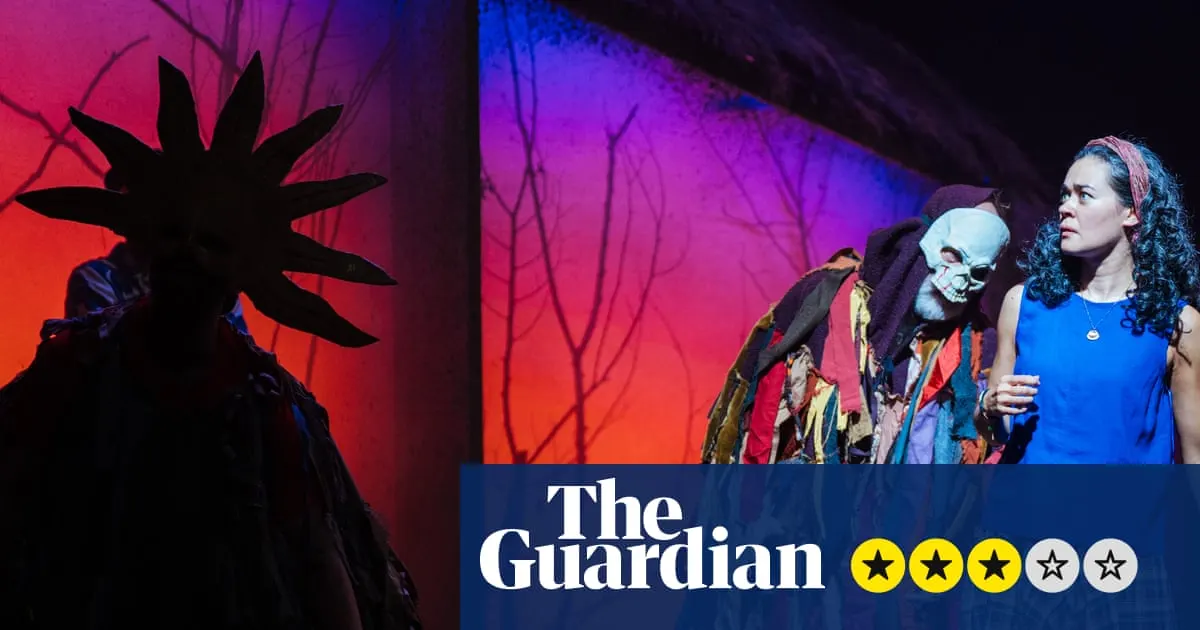
A family’s move from London to the countryside is unsettled when their young son, Lanny, disappears, and a local artist becomes the chief suspect. The Bristol Old Vic adaptation of Max Porter’s novel blends a village mystery with the legend of a pagan “green man”, using the story to explore parenthood, belonging and rural suspicion.
Bea Roberts’s adaptation is praised for its pace and eerie atmosphere, supported by a haunted woodland set, projected images and contrasting lighting. The review says the production balances horror with satire, though its many strands sometimes crowd out domestic realism and questions of race, homophobia and who belongs in the village; the ending turns surreal and offers a possible miracle.
In short
- A missing boy’s case intertwines with an old pagan legend.
- The staging mixes rural horror, humour and village satire.
- The review praises the atmosphere but finds some themes underdeveloped.
Explained simply
Max Porter’s novel Lanny follows a family who leave London for a village, where their young son goes missing. A local artist is suspected, while the story also draws on the Green Man, a figure from British folklore associated with nature and the countryside.
The Bristol Old Vic adaptation brings together a missing-child mystery and questions about family life and village belonging. Its rural setting matters because the villagers’ suspicions and ideas about who fits in shape how the events are understood.
Business Culture Markets Offbeat Weird & Viral
Read the full article at the source →
Originally published by The Guardian as “Stranger things turn an English village upside down in Max Porter’s rural noir Lanny”.