Students divided as University of Michigan will hide first-semester grades for 2027 freshmen
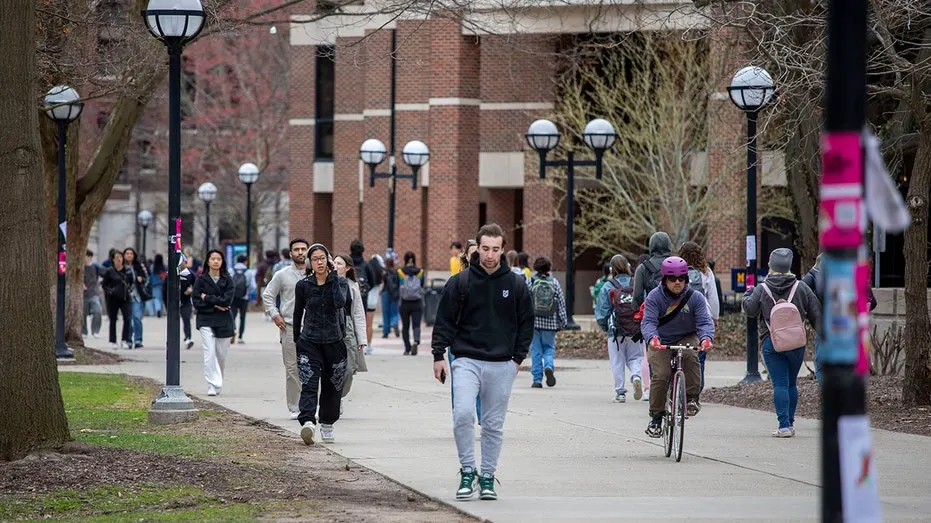
The University of Michigan will begin hiding first-semester letter grades for incoming freshmen starting in autumn 2027, replacing them on official transcripts with a simple pass (P) or no credit (NC) mark. The pilot, run through the College of Literature, Science, and the Arts (LSA), is intended to ease the transition from school to university and address what officials describe as a mental health crisis on campuses, though it has divided student opinion between those who welcome reduced pressure and those who fear it removes incentives to work hard.
Students will still receive normal letter grades and feedback from professors during the term, but these marks will not appear on external transcripts or count towards GPA, though the university will keep internal records for advising, financial aid and scholarship purposes. LSA is Michigan's largest college, with roughly 19,700 undergraduates, and similar first-year pass/fail schemes have long existed at institutions including MIT, Caltech, Wellesley and Swarthmore. While some students, including an engineering major and an economics freshman, called the policy a sensible way to reduce stress, others argued it could undermine resilience and devalue effort by letting struggling students pass alongside high achievers.
In short
- Michigan will hide 2027 freshmen's first-semester grades on transcripts
- Policy aims to ease stress and support student mental health
- Students split: some welcome it, others fear reduced accountability
Steelman: both sides, in good faith
The strongest fair case each way — we don't pick a winner.
The case for
A first semester is a major transition, and removing transcript and GPA consequences from those grades could give new students room to adjust, seek help and learn from setbacks without one difficult term shaping their academic record. Because students still receive ordinary grades and feedback, the policy can reduce external pressure while preserving information that helps them improve.
The case against
First semester grades can give students a clear incentive to build strong study habits and a meaningful record of their early work. Replacing those grades with pass or no credit may make effort and achievement less visible to future reviewers, while allowing students to pass without showing how well they mastered the material.
Explained simply
US universities often record course marks as letter grades, which are used to calculate a grade point average (GPA). That record can matter for future study, scholarships and other opportunities. The University of Michigan’s College of Literature, Science, and the Arts (LSA) is its largest college.
The planned trial concerns only first-semester freshmen in LSA, the university’s incoming students. They will still get ordinary grades and feedback from professors, while their official transcripts will show pass or no credit; the university will retain the grades internally for advising and some funding decisions. Similar first-year pass/fail arrangements exist at several other US colleges.
The policy reflects a debate over how students adjust to university study and the pressures they face. Supporters say withholding transcript grades could ease that transition, while critics worry it may weaken incentives or make effort seem less valued.
Government Health Mental Health Politics Research Science World