Studio Ghibli is “not feeling negative” about the AI Ghibli filter trend, as long as no one makes “a lot” of money from it
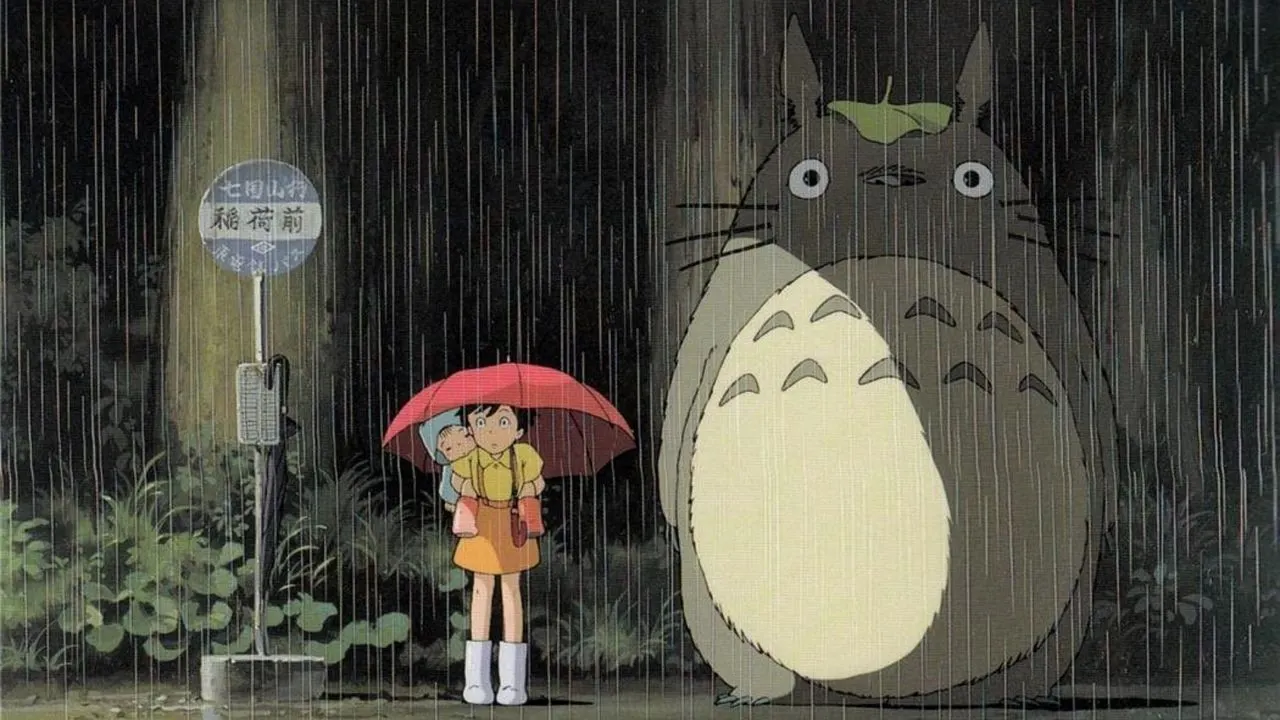
Studio Ghibli has struck a relatively relaxed tone about the wave of AI-generated images mimicking its distinctive art style, which went viral after OpenAI updated ChatGPT's image tool. Rather than condemning the trend outright, the studio has indicated it is "not feeling negative" about fans using the filter for personal, non-commercial fun, marking a softer stance than the fierce criticism AI art has previously drawn from co-founder Hayao Miyazaki.
The caveat, according to the studio, is money: Ghibli's tolerance reportedly extends only as far as the trend remaining a casual, non-profit-driven phenomenon, with concern reserved for anyone attempting to make substantial commercial gains from replicating its look via AI. This distinction reflects a broader industry tension over AI tools trained on copyrighted artistic styles, balancing goodwill towards fans against protecting the studio's creative and commercial interests.
- Studio Ghibli is relatively relaxed about AI "Ghibli-style" image filters.
- Its concern is limited to people profiting significantly from the trend.
- Stance is notably softer than Miyazaki's past criticism of AI art.
New here? Start with this
Studio Ghibli is a Japanese animation studio known for films such as Spirited Away and My Neighbour Totoro. Its co-founder Hayao Miyazaki is closely associated with its hand-drawn visual style, which has made the studio’s work widely recognisable.
AI image tools can produce pictures that resemble particular artistic styles when prompted. That has raised questions about how such tools use artists’ and studios’ work, and whether copying a recognisable style affects their rights or livelihoods.
The debate matters to creative companies weighing fan interest against control of their work and the money made from it. Ghibli’s reported distinction between personal use and commercial gain reflects that wider tension.
Both sides, in good faith
The strongest fair case each way — we don't pick a winner.
The case for
Studio Ghibli's position reflects a pragmatic balance between protecting legitimate commercial interests and permitting fan engagement. The studio's distinctive visual style represents decades of creative investment and commercial value, making efforts to prevent unauthorised profiteering entirely reasonable. By permitting non-commercial personal use whilst reserving enforcement rights for commercial exploitation, the studio acknowledges both the fanbase's creative enthusiasm and its own property rights in a measured, proportionate manner.
The case against
The approach sidesteps the fundamental concern that AI models were trained on copyrighted artwork without the studio's consent in the first place. Moreover, the commercial threshold is vague and unenforceable—what constitutes "a lot" of money remains undefined, and it's unclear whether small-scale sales or derivative works would cross the line. More broadly, permitting any use of AI-generated Ghibli-style content, even non-commercial, risks normalising the imitation of distinctive artistic styles without consent and may diminish the perceived value of original human artistry.