Study finds roughly 75% of deceased NFL players had at least some degree of CTE brain disease
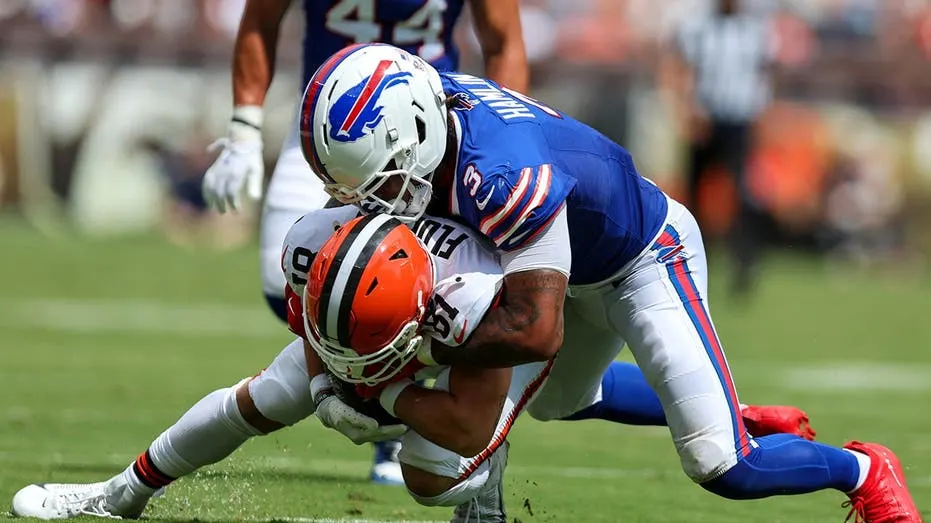
A Boston University study found that about 75% of more than 2,300 deceased former NFL players aged 80 or older had some degree of chronic traumatic encephalopathy (CTE), a progressive brain disease associated with repeated head impacts. The estimate highlights the potential long-term health effects of football, while the researchers caution that the findings do not establish how common CTE is among all former players.
Among the 396 players who donated their brains, 93.5% were diagnosed with CTE. Researchers said donors with clear cognitive symptoms were about five times more likely to donate than those without them, and donors died younger on average: 67 compared with nearly 75. CTE can only be confirmed after death; the study also found a history of dementia in 27.2% of players but did not determine whether it was caused by CTE.
In short
- About 75% of the deceased former players studied had CTE.
- 93.5% of brain donors were diagnosed.
- The donation group may not represent all former players.
Steelman: both sides, in good faith
The strongest fair case each way — we don't pick a winner.
The case for
The findings add to evidence that repeated head impacts in professional football may have serious long-term consequences, and support stronger efforts to prevent injuries, monitor former players’ health and inform them of potential risks. The high rate of CTE among brain donors is concerning, even though the study cannot establish how common the disease is across all former NFL players.
The case against
The results do not show that three quarters of all former NFL players had CTE: the estimate for older players relies on statistical methods, while brain donors were disproportionately likely to have cognitive symptoms and died younger. CTE’s presence also does not by itself establish that it caused dementia or other symptoms, so policy conclusions should account for these limits and avoid overstating what the study demonstrates.
Explained simply
American football involves frequent physical contact, including blows to the head. Chronic traumatic encephalopathy, or CTE, is a brain disease linked to repeated head impacts; it can only be diagnosed by examining the brain after a person has died.
The Boston University study examined brain donations from former NFL players, the professional American football league in the United States. Because people with noticeable thinking or memory problems were more likely to donate, and donors tended to die younger than the wider group studied, the donated brains may not represent all former players.
The findings add to research into possible long-term health effects of contact sports. They do not show how common CTE is among all former NFL players, or whether CTE caused the dementia recorded in some players.
Football Health Medicine Research Science Sport World