Sue Gray says Starmer’s office was consumed by mistrust
Developed over time first seen 2 months ago
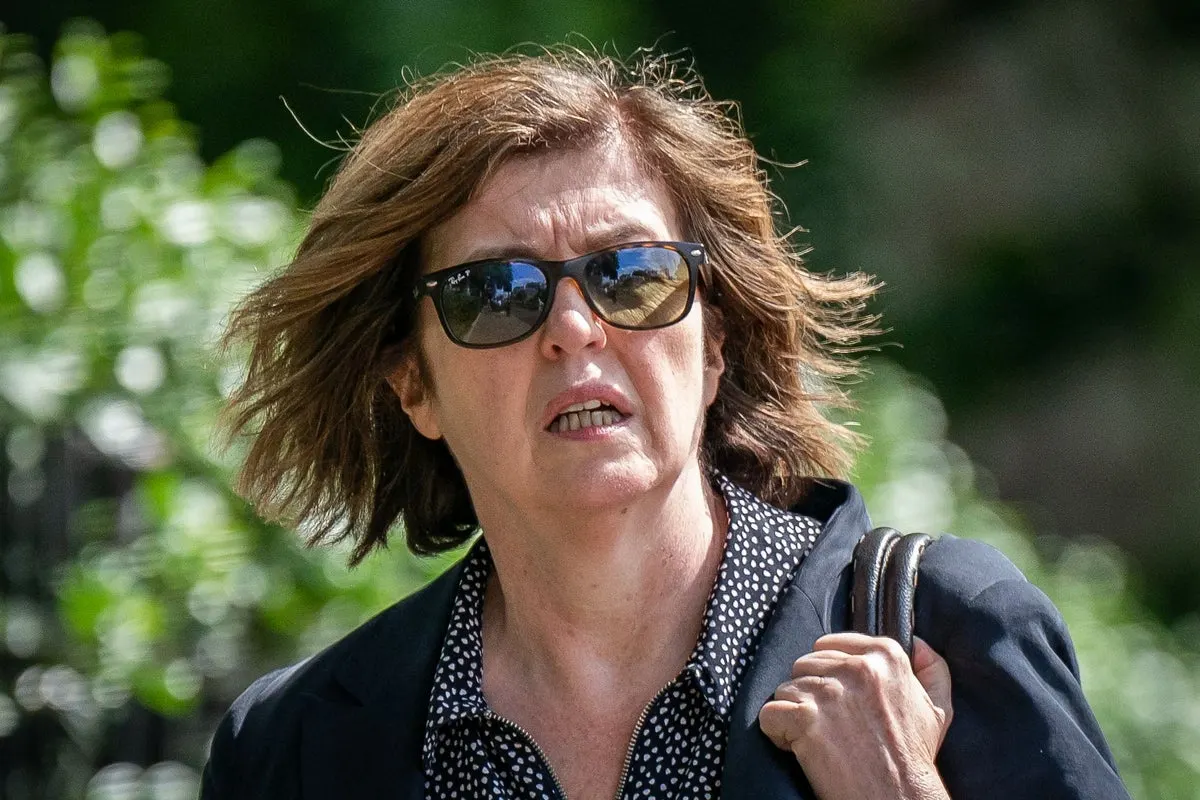
Baroness Sue Gray has described working as Sir Keir Starmer's chief of staff as "unbearable", saying the atmosphere inside No 10 became so poisoned by leaks and internal briefing that colleagues feared "everything you say" was being secretly recorded. Speaking to Ed Balls on the Political Currency podcast in her first interview since resigning nearly two years ago, she said she raised the problem with the Prime Minister directly on several occasions but was "disappointed" that he did not act more forcefully to stop journalists being briefed against colleagues.
Gray said hostile briefings against her began while Labour was in opposition and continued into government, including a false story that she had tried to sideline chief adviser Morgan McSweeney by moving him "to the back of the building", which she said was in fact a genuine attempt to find a bigger room. She said none of the leaking came from her but that the pressure "was just affecting me and my life", forcing her into early starts and late finishes to avoid colleagues. She also suggested Starmer initially lacked "vision" compared with his successor as chief of staff's political focus, contrasting him favourably with Greater Manchester mayor Andy Burnham, and noted the criticism from figures such as deputy leader Lucy Powell over a "boys' club" culture of "anonymous nasty briefings" in No 10. Gray, who rose to prominence leading the Partygate inquiry before joining Labour and quitting as chief of staff in October 2024 amid distraction claims, was made a peer last December.
- Sue Gray calls life in Starmer's No 10 "unbearable" amid leak fears
- Says colleagues seemed to secretly record conversations; Starmer under-reacted to leaks
- Denies briefing against colleagues; contrasts Starmer's early "vision" with Burnham's
New here? Start with this
Sue Gray is a former senior civil servant who became a well-known public figure after leading an official inquiry into "Partygate", the investigation into lockdown-breaking gatherings in Downing Street under Boris Johnson. She later left the civil service to become chief of staff to Sir Keir Starmer, first in opposition and then after Labour won the 2024 general election, putting her at the centre of power in No 10 before she resigned from the role in October 2024.
Her departure came amid reports of tension inside Starmer's top team, including rivalry with Morgan McSweeney, another senior adviser who took over as chief of staff after her. Gray has largely stayed silent since then, so her decision to speak publicly now, in a podcast interview, is notable in itself and offers a rare first-hand account of what was happening behind the scenes in Downing Street during that period.
The story matters because it touches on how the Prime Minister's own office is run, and adds to a wider pattern of claims about a difficult internal culture in No 10, including recent criticism from other senior Labour figures. Gray has since been made a member of the House of Lords as a Labour peer.
Both sides, in good faith
The strongest fair case each way — we don't pick a winner.
The case for
Baroness Gray's account will resonate with those who see this as a legitimate workplace and governance issue: no employee, however senior, should have to weather sustained anonymous briefing and feel unable to trust colleagues, and her claim is not made in isolation, given that other Labour figures including Lucy Powell have separately described a similarly toxic "boys' club" atmosphere in No 10. On this view, a Prime Minister has a duty of care to his staff and a responsibility to stamp out damaging leaks that distract from governing, and Gray's willingness to speak out, however uncomfortable, serves the public interest by shining a light on a culture that undermines effective and stable government.
The case against
Others will urge caution about accepting one former adviser's account at face value, particularly one delivered nearly two years after a departure that was itself highly contested and briefed against from multiple directions at the time. Gray was a polarising figure whose appointment, role and conduct as chief of staff were questioned by critics well before her exit, so a sympathetic reading of the other side holds that her version is necessarily partial, that Number 10 briefings are notoriously difficult to trace or verify, and that airing grievances via a podcast interview risks re-litigating old rivalries rather than fairly weighing the perspectives of colleagues, including Morgan McSweeney, who are not present to respond in the same forum.
More coverage
Celebrity Entertainment Politics
Read the full article at the source →
Originally published by The Independent as “Sue Gray: Working in Keir Starmer’s No 10 was ‘unbearable’”.