Business news and discussion on TalkFuse.
Sunday shows preview: Candidates make last-minute pitches ahead of Tuesday’s midterms; Economy weighs heavily on voters’ minds
Developed over time first seen 4 days ago
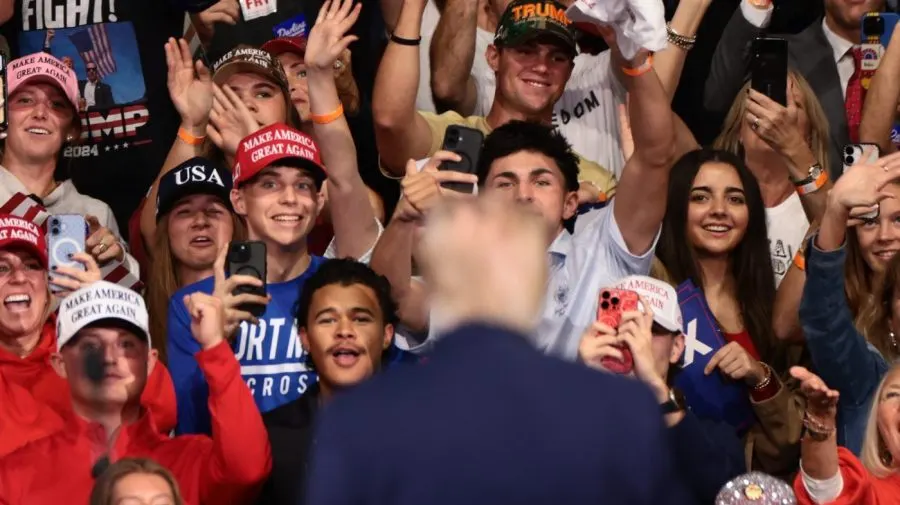
In the final weekend before the 3 November 2026 US midterm elections, candidates and party leaders used Sunday political programmes to make their closing appeals. Iowa Senate rivals Ashley Hinson, a Republican, and Josh Turek, a Democrat, were scheduled to appear on the same CNN programme. The line-ups also included Pennsylvania Governor Josh Shapiro, Georgia Secretary of State Brad Raffensperger, Democratic National Committee chair Ken Martin and Treasury Secretary Scott Bessent. President Donald Trump announced Sunday campaign stops in Kansas and Iowa after reversing an earlier decision to cancel rallies there.
The economy was a central concern as voters prepared to decide control of Congress and choose governors and other officials. High living costs had weighed on public sentiment, while Republicans faced questions about the administration’s handling of prices and its wider economic policies. Democrats hoped that frustration would help them gain seats. The Sunday appearances offered both parties a final national platform to persuade voters and encourage turnout, but the preview did not establish how the close contests would end.
- Sources
- 2
- Outlets
- 2
- Left · Centre · Right
- 0 · 1 · 0
In short
- Both parties made closing appeals before the 3 November midterms.
- Iowa’s Senate candidates were among the scheduled Sunday guests.
- Living costs and control of Congress framed the final campaign push.
How this story developed
- 1 day ago In the final weekend before the 3 November 2026 US midterm elections, candidates and party leaders used Sunday political programmes to make their closing appeals. Iowa Senate rivals Ashley Hinson, a Republican, and Josh Turek, a Democrat, were scheduled to appear on the same CNN programme.
Steelman: both sides, in good faith
The strongest fair case each way — we don't pick a winner.
The case for
Republicans can argue that voters should judge the administration’s economic record against the challenges it inherited and its efforts to support growth, jobs and household incomes. They may also say that continuing Republican control of Congress would provide policy stability, while their candidates can address local concerns directly and make the case for their own priorities.
The case against
Democrats can argue that high living costs remain a pressing burden and that voters should hold the governing party accountable for its handling of prices and economic policy. They may contend that changing control of Congress would create pressure for a different approach, and that their candidates offer a credible alternative on the economy and other local issues.
Explained simply
US midterm elections take place halfway through a president’s four-year term. Voters choose members of Congress, including all seats in the House of Representatives and about a third of the Senate, as well as governors and other officials in many states.
The two main parties are the Republicans, led nationally by President Donald Trump, and the Democrats. Control of Congress affects which laws can pass and how the administration’s policies are scrutinised; state elections also determine who leads state governments.
The economy often shapes voters’ choices, and rising living costs can affect how they judge the party in power. Candidates and party leaders use national media appearances to explain their positions and encourage supporters to vote.
Coverage · 2 sources
Americas Business Culture Economy Elections Government Politics Travel World