Sunlight at night: US startup’s demonstration of lighting Earth from space draws critcism
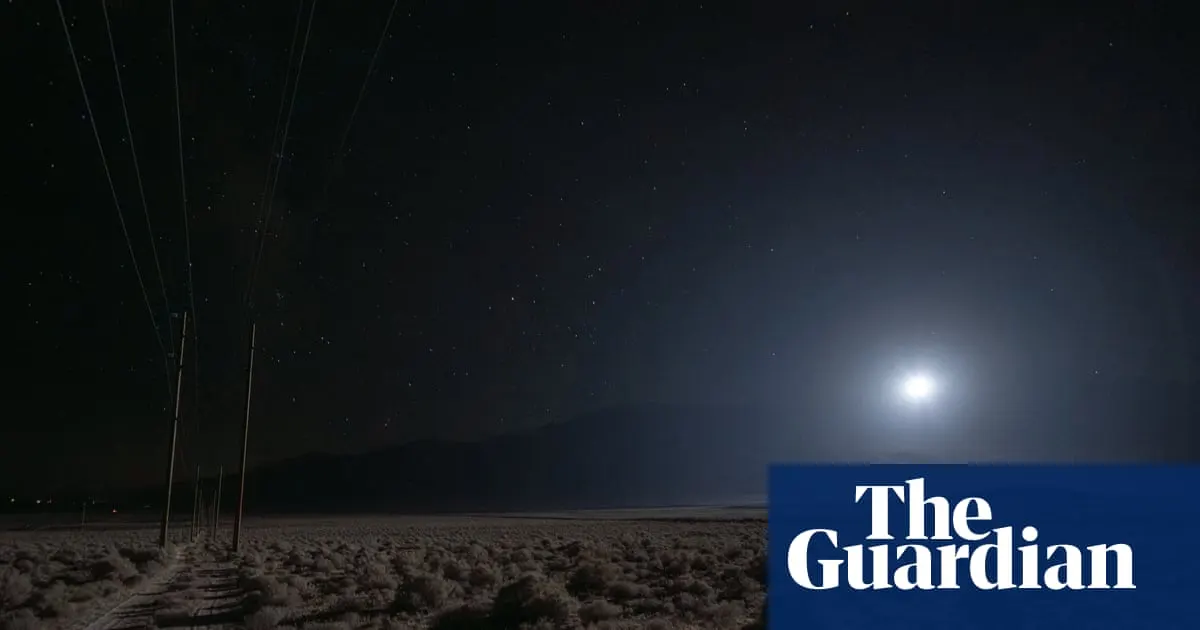
A US startup, Reflect Orbital, has demonstrated bright night-time lighting in California as a preview of its plan to reflect sunlight from satellites onto Earth. The technology could provide light for search-and-rescue teams and other emergency responders, but has drawn criticism over its possible effects on wildlife, people and the night sky.
The demonstration near Lone Pine used large lights by Mount Whitney to mimic the reflection of a full moon; locals described the illumination as dazzling. The company aims to launch 50,000 mirror-equipped satellites over the next decade. The FCC approved an initial demonstration satellite for next year, while four groups represented by Earthjustice have asked the commission to reconsider its approval, citing environmental and astronomical concerns.
In short
- Reflect Orbital tested night-time lighting in California.
- The company aims to launch 50,000 mirror satellites.
- Scientists and environmental groups warn of harm to wildlife and astronomy.
Steelman: both sides, in good faith
The strongest fair case each way — we don't pick a winner.
The case for
Reflecting sunlight from orbit could provide illumination in remote or disaster-struck areas when ordinary power and lighting are unavailable, helping search-and-rescue teams and other emergency responders. Supporters may argue that carefully targeted, limited use could deliver practical safety benefits, while testing and regulation address risks as the technology develops.
The case against
Critics may argue that large-scale, repeated illumination could disrupt wildlife and people’s access to natural darkness, and interfere with astronomical observation. They may also contend that the possible effects are difficult to predict before deployment, so the FCC should reconsider approval and require stronger evidence and safeguards before the technology proceeds.
Explained simply
Reflect Orbital is a US company developing satellites with mirrors that would redirect sunlight towards places on Earth after dark. It says the light could help search-and-rescue teams and other emergency responders. Its proposed network would be much larger than the initial test: the company aims to launch 50,000 satellites over the next decade.
The plan raises questions about how added light could affect wildlife, people and views of the night sky. The US Federal Communications Commission (FCC) regulates communications and satellite services, and its decisions can shape whether such systems operate. Environmental and astronomy groups have raised concerns about the proposal.
Americas Art Business Celebrity Companies Culture Entertainment Environment Geopolitics Markets Offbeat Politics Research Science Space Technology Weird & Viral World