Supermassive Games will lay off up to 75 workers
Developed over time first seen 2 months ago
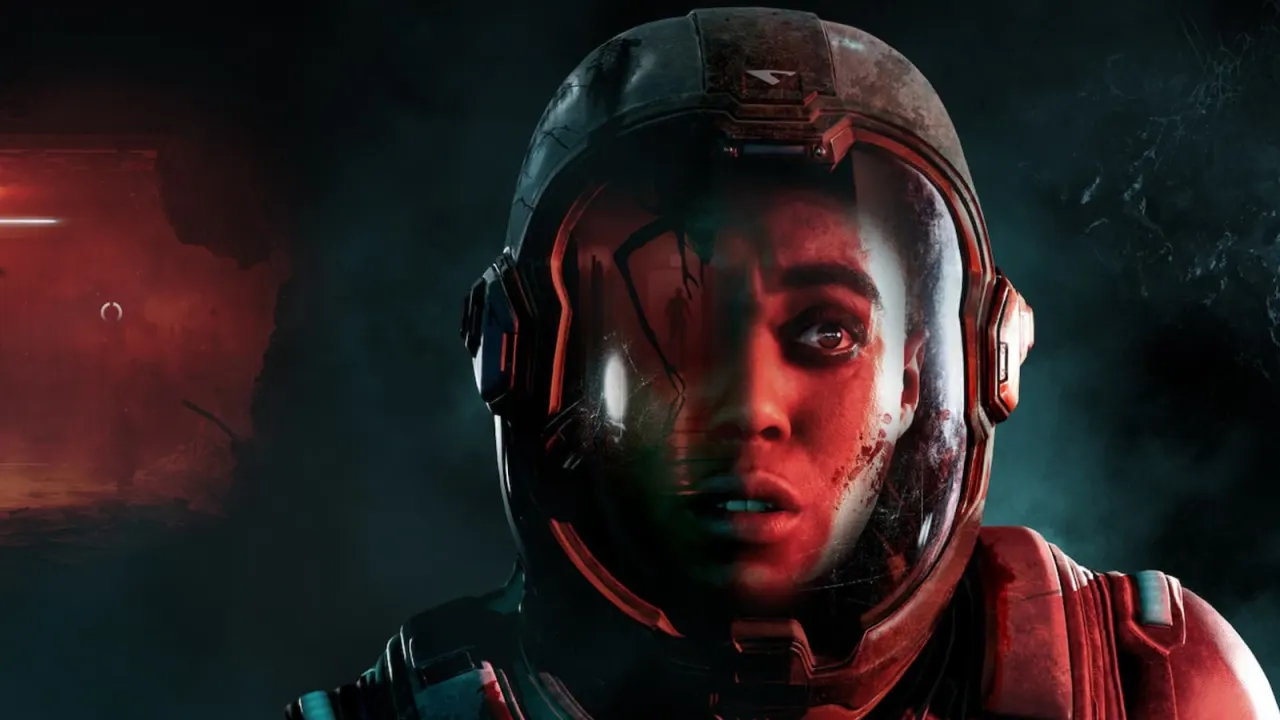
Supermassive Games, the UK studio behind Until Dawn and The Dark Pictures Anthology, has confirmed it will cut up to 75 jobs, entering a redundancy consultation process it describes as necessary to secure the studio's long-term sustainability. The move adds to a string of setbacks for the developer and marks yet another blow for the wider video game industry, which continues to endure repeated waves of layoffs. The company said its priority throughout the process would be supporting affected staff.
This is Supermassive's third round of job losses in under three years, following roughly 90 cuts in February 2024 and around 35 more in July 2025; with 172 employees at the end of 2025, the latest reduction could affect nearly half its remaining workforce. The announcement comes two months after former chief executive Robert Henrysson stepped down, shortly after the release of the studio's most recent title, Directive 8020. It also follows June's unveiling of an Until Dawn sequel, which is being developed not by Supermassive but by Sony's own studio Firesprite — Supermassive likewise had no involvement in 2024's Until Dawn remake.
- Supermassive Games to cut up to 75 jobs via redundancy consultation
- Third layoff round since 2024; studio had 172 staff
- Comes after CEO's exit and loss of Until Dawn 2 to Firesprite
New here? Start with this
Supermassive Games is a British video game developer best known for horror titles such as Until Dawn and The Dark Pictures Anthology series. Like much of the wider video games industry, it has been through several rounds of cost-cutting in recent years as studios grapple with rising development costs and changing market conditions, and it is now proposing to cut up to 75 jobs through a formal redundancy consultation process.
This is not the studio's first round of cuts: it previously reduced its workforce in February 2024 and again in July 2025, meaning staff have faced repeated uncertainty over a short period. The studio has also seen recent leadership change, with its former chief executive leaving earlier this year, and its flagship Until Dawn franchise is now being extended by a different studio owned by Sony rather than by Supermassive itself.
The situation matters because it reflects broader pressures across the video games sector, where layoffs have become common even at studios behind well-known and successful titles. It also raises questions about the future direction of Supermassive Games and the security of its remaining workforce.
Both sides, in good faith
The strongest fair case each way — we don't pick a winner.
The case for
Supporters of the decision would argue that Supermassive's leadership has a duty to ensure the studio's survival, and that in a games industry beset by rising costs, shifting player spending habits and intense competition for publishing deals, difficult workforce reductions are sometimes the only way to keep a company solvent and protect the jobs that remain. They would note that pledging support for affected staff and framing the move around long-term sustainability shows an attempt to act responsibly rather than recklessly, and that losing a major sequel to another studio is precisely the kind of commercial setback that forces hard but necessary choices.
The case against
Critics would argue that a third round of cuts in under three years, potentially affecting nearly half the workforce, points to deeper management and strategic failures rather than unavoidable market forces, and that employees should not repeatedly bear the cost of decisions made above them. They would highlight the recent chief executive departure and the loss of the Until Dawn sequel to Sony's own studio as signs of instability and lost confidence, arguing that the human toll of repeated redundancies, on morale, livelihoods and the wider industry's job security, deserves as much weight as the company's financial position.