Boom’s supersonic airliner faces delays as firm targets AI data centres
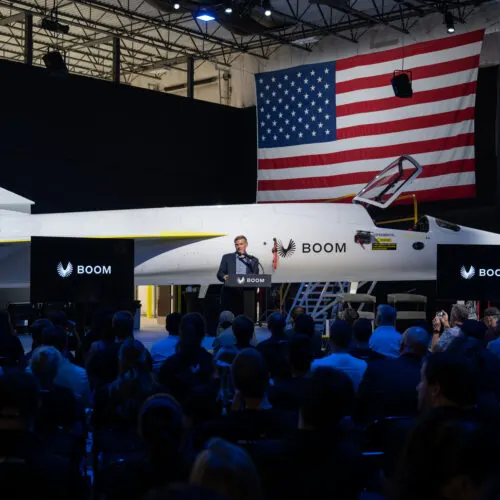
United Airlines chief executive Scott Kirby says Boom Supersonic’s Overture airliner is unlikely to meet its stated 2029 delivery timeline, raising fresh doubts about the company’s plan to bring back commercial supersonic travel. Boom has also shifted attention towards making gas turbines for AI data centres, as it seeks another source of revenue while developing the aircraft.
Kirby said Overture still faces significant development and certification hurdles, and that overcoming them is not guaranteed; in March, he put the chances of the aircraft entering commercial service at “50-50”. United, American Airlines and Japan Airlines have conditional purchase agreements with Boom, but the deposits and final purchases depend on the aircraft becoming commercially available. Boom’s Colorado factory is intended to produce 42-megawatt turbines, with first deliveries targeted for mid-2027; its planned North Carolina airliner factory, built with more than $50 million in state funding, has mostly sat dormant since 2024.
In short
- United’s chief doubts Boom will deliver its supersonic airliner by 2029.
- Overture still faces major development and FAA certification hurdles.
- Boom is targeting AI data centre turbine deliveries from mid-2027.
Steelman: both sides, in good faith
The strongest fair case each way — we don't pick a winner.
The case for
Boom’s turbine business could provide revenue and engineering experience while the company works through the aircraft’s substantial development and certification challenges. If Overture reaches service, it could offer passengers much faster long-distance travel and give airlines a new product, while the conditional agreements allow them to pursue that possibility without committing to final purchases before the aircraft is available.
The case against
The timeline and certification hurdles make Overture’s commercial prospects uncertain, and the airline agreements depend on the aircraft entering service, so they do not guarantee a market. Shifting attention to turbines may help fund Boom, but it also raises questions about whether the company can deliver both businesses; meanwhile, the airliner factory’s inactivity and public funding make delays consequential for the project and its supporters.
Explained simply
Boom Supersonic is a US company developing Overture, a passenger aircraft designed to fly faster than the speed of sound. Commercial supersonic flights largely ended after Concorde retired in 2003, and building a new aircraft involves extensive engineering work and government safety approval.
United Airlines, American Airlines and Japan Airlines have agreements to buy Overture if it becomes available for commercial use. Boom is also developing gas turbines intended to power AI data centres, which need large amounts of electricity; this could provide the company with another line of business while it works on the aircraft.
AI Business Companies Technology
Read the full article at the source →
Originally published by Ars Technica as “Supersonic airliner in doubt as company shifts to powering AI data centers”.