Science news and discussion on TalkFuse.
Supreme Court can restore sanity and stop the left’s radical climate agenda
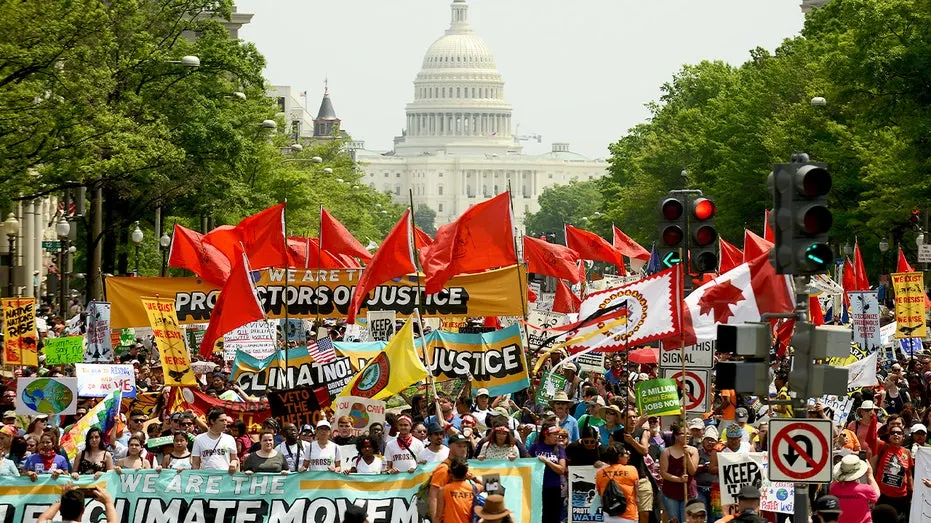
The opinion article argues that the US Supreme Court should prevent cities and states from suing energy companies over climate-related harm, claiming that energy and emissions policy are national issues. It centres on Suncor v. Boulder, which could determine whether such cases belong in state courts or should be governed by federal authority.
The article says greenhouse-gas emissions cross borders, making inconsistent local rulings impractical and potentially costly. It notes that nearly 90% of global emissions originate outside the US, with China responsible for almost a third, and argues that imposing liability on American companies could weaken economic competitiveness, energy security, military readiness and US diplomatic leverage.
In short
- Supreme Court case could restrict local climate lawsuits against energy companies.
- Article argues emissions policy requires a uniform federal approach.
- It warns of economic and national-security consequences for the US.
Steelman: both sides, in good faith
The strongest fair case each way — we don't pick a winner.
The case for
Because greenhouse-gas emissions cross state and national borders, supporters of federal control argue that climate policy and responsibility should be handled consistently at the national level. They say state-by-state lawsuits could impose conflicting rules and substantial costs on US energy firms, potentially affecting competitiveness, energy security and the country’s ability to shape international policy.
The case against
Supporters of allowing these cases to proceed in state courts argue that communities should be able to seek remedies when they believe companies’ conduct has contributed to local climate-related harm. They may see litigation as a way to establish accountability and address costs borne by affected places, especially when national policy has not provided a remedy; a court can assess each claim without deciding climate policy for the whole country.
Explained simply
Climate change is caused largely by greenhouse gases, including carbon dioxide released when fossil fuels are burned. These gases mix in the atmosphere and affect the climate across national and local borders.
In the United States, some cities and states have sued energy companies, seeking money for climate-related costs and alleging the companies contributed to the harm. Suncor v. Boulder involves a Colorado city’s case against energy companies and raises whether such claims can be heard under state law or must be handled under federal law.
The case matters because the Supreme Court’s decision could shape where similar lawsuits are heard and how far local governments can use them to seek compensation. It also sits within a wider debate about responsibility for emissions and the role of courts, governments and energy companies in addressing climate change.
Climate Government Politics Science World