Supreme Court schedules November arguments in major religion case
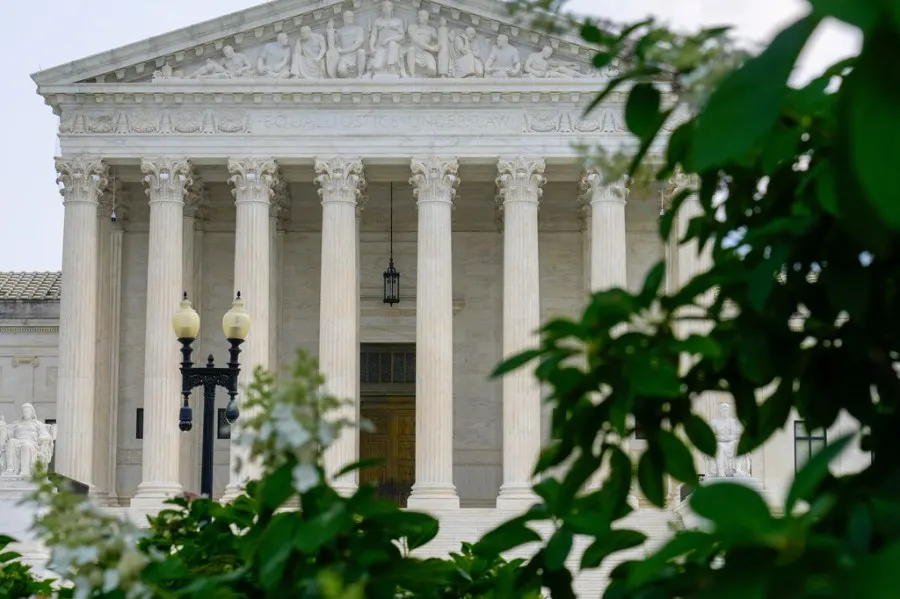
The Supreme Court has set oral arguments for 3 November in a significant case exploring religious freedom and civil rights law. At issue is whether Colorado may condition public funding for Catholic preschools on their acceptance of children from same-sex families, forcing a judicial examination of how far religious institutional autonomy extends when government support is involved.
The court's decision to hear the case suggests potential reconsideration of established precedent protecting religious exemptions. The justices' review could redefine the balance between permitting religious organisations to operate according to their convictions and requiring compliance with state anti-discrimination policies, particularly in contexts where public funds are at stake.
In short
- Supreme Court scheduled Nov. 3 oral arguments in Colorado case examining whether Catholic preschools must enrol children of same-sex couples to receive public funding
- Decision could reshape how courts balance religious institutional autonomy against state anti-discrimination requirements
- Case may lead to narrowing of existing religious exemption precedents
Steelman: both sides, in good faith
The strongest fair case each way — we don't pick a winner.
The case for
Colorado's position rests on the principle that public funds belong to all taxpayers and should not support discrimination. When religious organisations voluntarily accept government money, they assume corresponding responsibilities to comply with anti-discrimination law. Religious freedom remains intact—schools may teach their doctrines and operate independently—but conditioning public funding on equal treatment does not burden religious belief; rather, it prevents taxpayer money from financing discrimination. The state has a compelling interest in ensuring equal access to publicly funded services regardless of sexual orientation.
The case against
The Catholic preschools' position emphasises that religious institutional autonomy requires the freedom to operate according to sincere faith convictions, including beliefs about family structure. Conditioning public funding on abandoning core doctrinal teachings amounts to governmental coercion of religious conscience—the schools must either violate their faith or forfeit access to benefits available to others. This creates impermissible pressure on religious exercise. The burden falls entirely on the religious organisation rather than the state; funding conditions that effectively exclude religiously-motivated conduct from public benefit schemes treat religious identity as disqualifying, breaching equal protection for faith-based institutions.
Explained simply
Colorado provides public funding to support preschool places. The case concerns whether the state can require faith-based providers that receive this support to accept children from same-sex families.
The dispute involves Catholic preschools, Colorado officials and the US Supreme Court, which interprets the country’s laws. It raises questions about how religious organisations’ freedom to follow their beliefs interacts with rules against discrimination when public money is involved.
The outcome could affect how states set conditions for publicly funded services run by religious groups. It may also shape the legal protections available to those groups and to families seeking access to their services.