Politics news and discussion on TalkFuse.
Supreme Court To Weigh Trump’s Unilateral Suspension of Asylum Protections at Southern Border
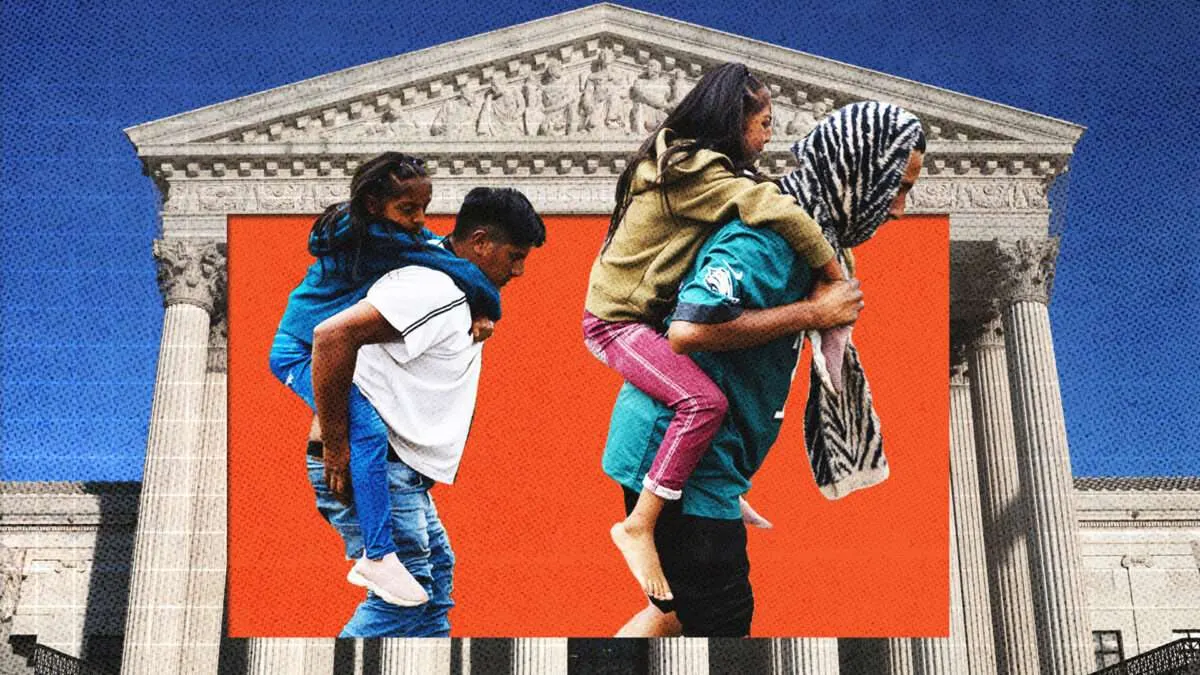
The Supreme Court has agreed to hear a challenge to the Trump administration’s unilateral suspension of asylum protections for people who cross the US-Mexico border unlawfully. The case will test the limits of presidential authority and how immigration law applies when the administration seeks to remove people without the protections Congress set out.
Federal law allows people facing removal to seek asylum or protection from return to persecution or torture. The administration says the president’s border and foreign affairs powers, including its claim that an “invasion” is taking place, allow those protections to be suspended; the DC Circuit rejected that argument in April 2026, finding Congress had not granted such broad removal authority. The Supreme Court could decide the case on statutory grounds, though it may also address the constitutional meaning of “invasion”.
In short
- Supreme Court to review Trump’s suspension of border asylum protections.
- The DC Circuit ruled the administration lacked broad removal authority.
- The justices may avoid deciding what counts as an “invasion”.
Steelman: both sides, in good faith
The strongest fair case each way — we don't pick a winner.
The case for
The administration’s strongest case is that a sudden, large-scale border emergency can demand a rapid response, and that the president’s constitutional responsibilities for border security and foreign affairs include temporary measures to manage it. It may argue that applying ordinary asylum procedures during such a crisis impedes effective control and that the law should be read to leave the executive some room to act.
The case against
The strongest case against the suspension is that Congress established protections for people facing persecution or torture, and the president cannot set them aside without clear authority from Congress. Those safeguards reflect legal obligations and individual rights that do not disappear because border crossings rise; allowing unilateral suspension could also weaken the separation of powers by letting the executive decide when statutory limits no longer apply.
Explained simply
US immigration law gives people facing removal a chance to seek asylum if they fear persecution, or protection if they could face torture or other serious harm if sent back. These processes do not guarantee permission to stay, but require officials to consider certain claims before removal.
The dispute concerns the president’s authority at the US-Mexico border. The Trump administration argues that border and foreign affairs powers allow the president to suspend these protections, describing the situation as an “invasion”; critics of that position say Congress did not give the president such broad power.
The case matters because it could clarify how much control a president has over immigration procedures set by Congress. It may also affect how the Constitution’s use of the word “invasion” is understood in the context of the border.