Culture news and discussion on TalkFuse.
Surprise: The global oil crisis is pushing people toward buying electrified cars
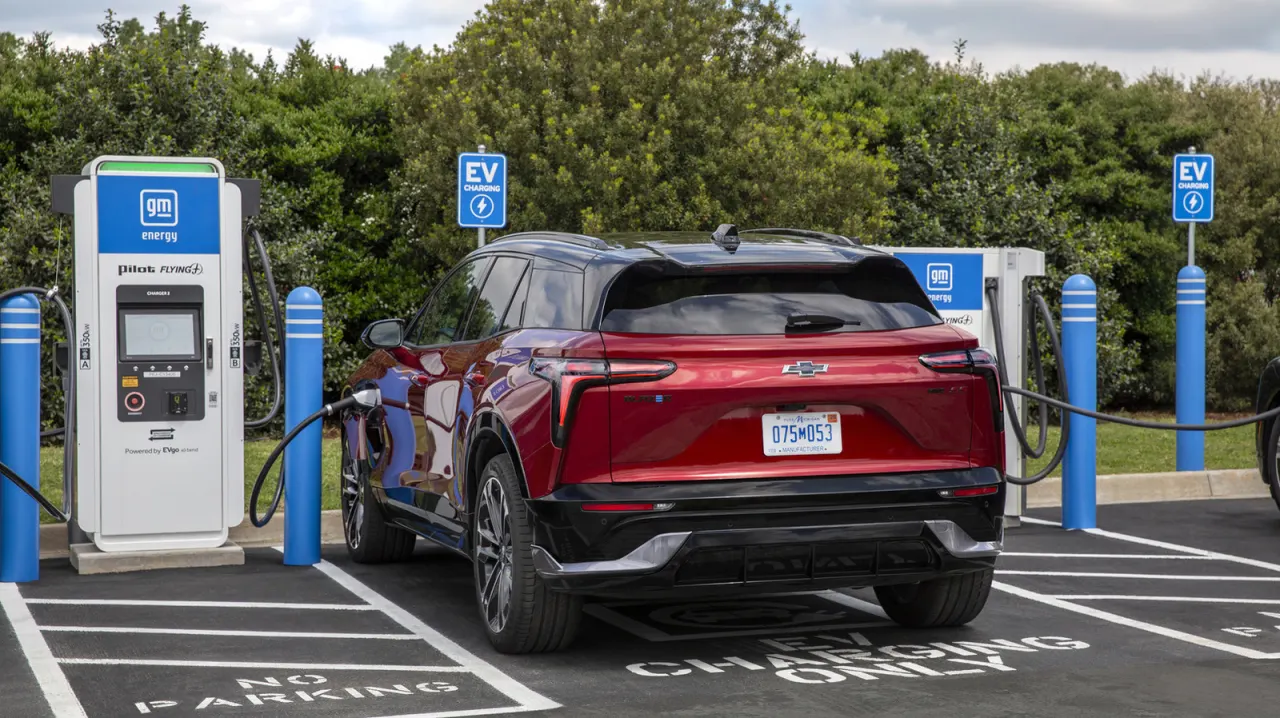
Electrified vehicle sales reached new quarterly highs in 50 countries during the second quarter of 2026, as higher fuel prices linked to the US-Iran conflict encouraged consumers to reduce reliance on petrol and diesel. The trend matters because it has boosted EV and plug-in hybrid demand despite an overall downturn in global car sales and weaker US policy support for electric vehicles.
EV and PHEV sales rose 4% year-on-year and 35% from the previous quarter, and the IEA expects them to account for 29% of global car sales in 2026. UK battery-electric registrations increased 35% year-on-year, with BEVs and PHEVs making up 36% of registrations so far; China’s electric cars represented more than 45% of its car exports, although about one million EVs there are reportedly unsold.
In short
- Fuel-price shocks have lifted global electrified vehicle demand.
- EV and PHEV sales rose 35% quarter-on-quarter.
- China remains dominant in EV exports and battery supply chains.
Steelman: both sides, in good faith
The strongest fair case each way — we don't pick a winner.
The case for
Higher petrol and diesel prices make electric vehicles and plug-in hybrids more attractive by reducing exposure to fuel costs, and the sales gains across many countries suggest that consumers see them as a practical alternative. Growing demand may also speed the shift to vehicles with lower tailpipe emissions and reduce dependence on oil imports.
The case against
A sales surge during an oil-price shock does not by itself show that electrified cars are affordable or suitable for most buyers; upfront costs, charging access and driving needs can still be barriers. The reported unsold stock in China also raises questions about whether production and exports are keeping pace with durable demand, while weaker policy support may make growth less secure.
Explained simply
The global oil market has been disrupted by tensions between the United States and Iran, which have pushed petrol and diesel prices significantly higher. This surge in fuel costs is making consumers think more carefully about their transport spending, particularly in developed economies where purchasing choices are more flexible.
Electric vehicles and plug-in hybrids are becoming increasingly attractive to shoppers facing higher fuel bills. Sales of these vehicles have reached record levels across 50 countries in recent months, growing sharply compared to previous years.
This matters because the surge is occurring despite an overall decline in car sales globally and reduced government support for electric vehicles in major economies such as the United States. It suggests that consumer choices driven by fuel prices may now be as influential as government policy in steering the world towards electrified transport.