Surrender! John Healey quit in protest at Starmer’s refusal to spend 3 per cent of GDP on defence by 2030 – but as Chancellor HE has shelved the same target… just as Putin ramps up threats
Developed over time first seen 2 months ago
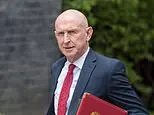
The article reports that Chancellor John Healey is expected to delay setting 2030 as the deadline for UK defence spending to reach 3 per cent of GDP, despite having resigned as Defence Secretary two months earlier over the absence of that commitment. Critics, including opposition politicians and former military figures, say the apparent reversal undermines Labour’s defence credentials at a time of heightened concern about Russia and pressure from the United States for European NATO members to spend more.
Healey is reportedly expected to defer a formal timetable until next year’s spending review rather than include it in his first Budget under Prime Minister Andy Burnham. The article links the decision to competing fiscal pressures, including delayed welfare reforms, while noting recent Kremlin threats concerning UK support for Ukraine and US calls for European allies to make substantial increases in defence expenditure.
- Healey reportedly delays his former 2030 defence-spending target.
- Critics say the move weakens Britain’s security commitment.
- The decision comes amid Russian threats and NATO spending pressure.
New here? Start with this
The UK is a member of NATO, the alliance in which countries agree to defend one another. Members fund their own armed forces, and defence spending is often compared as a share of each country’s economy, or gross domestic product (GDP). A higher target would mean the UK committing more public money to defence over time.
John Healey has held senior government roles including Defence Secretary and Chancellor. The prime minister leads the government, while the Chancellor oversees public spending and sets out tax and spending plans. Decisions on defence funding therefore involve both security priorities and choices about how to use limited public money.
Russia’s war in Ukraine and tensions between Russia and Western countries have renewed debate about military readiness. The United States has also urged European NATO members to spend more on defence. How much the UK commits can affect its armed forces, its contribution to NATO and the funding available for other services.
Both sides, in good faith
The strongest fair case each way — we don't pick a winner.
The case for
Supporters of a firm 2030 commitment argue that defence planning requires a clear, credible funding trajectory, particularly amid Russia’s war against Ukraine and pressure on European NATO members to assume more responsibility. They contend that a target of 3 per cent of GDP would give the armed forces, industry and allies confidence to invest in capabilities, munitions and personnel, while signalling that the UK takes deterrence seriously. In this view, postponing the timetable risks making a necessary increase easier to defer again when other political pressures arise.
The case against
Supporters of deferring the deadline argue that a spending target should be based on an honest assessment of public finances and defence requirements rather than announced before the funding is secure. They may accept the case for higher defence spending while warning that an inflexible 2030 pledge could force damaging cuts, tax rises or poorly prioritised procurement if economic conditions weaken. In this view, the next spending review is the proper point to set a timetable that balances national security with welfare, public services and fiscal sustainability.