Surround sound speaker channel numbers explained: Bigger isn’t always better
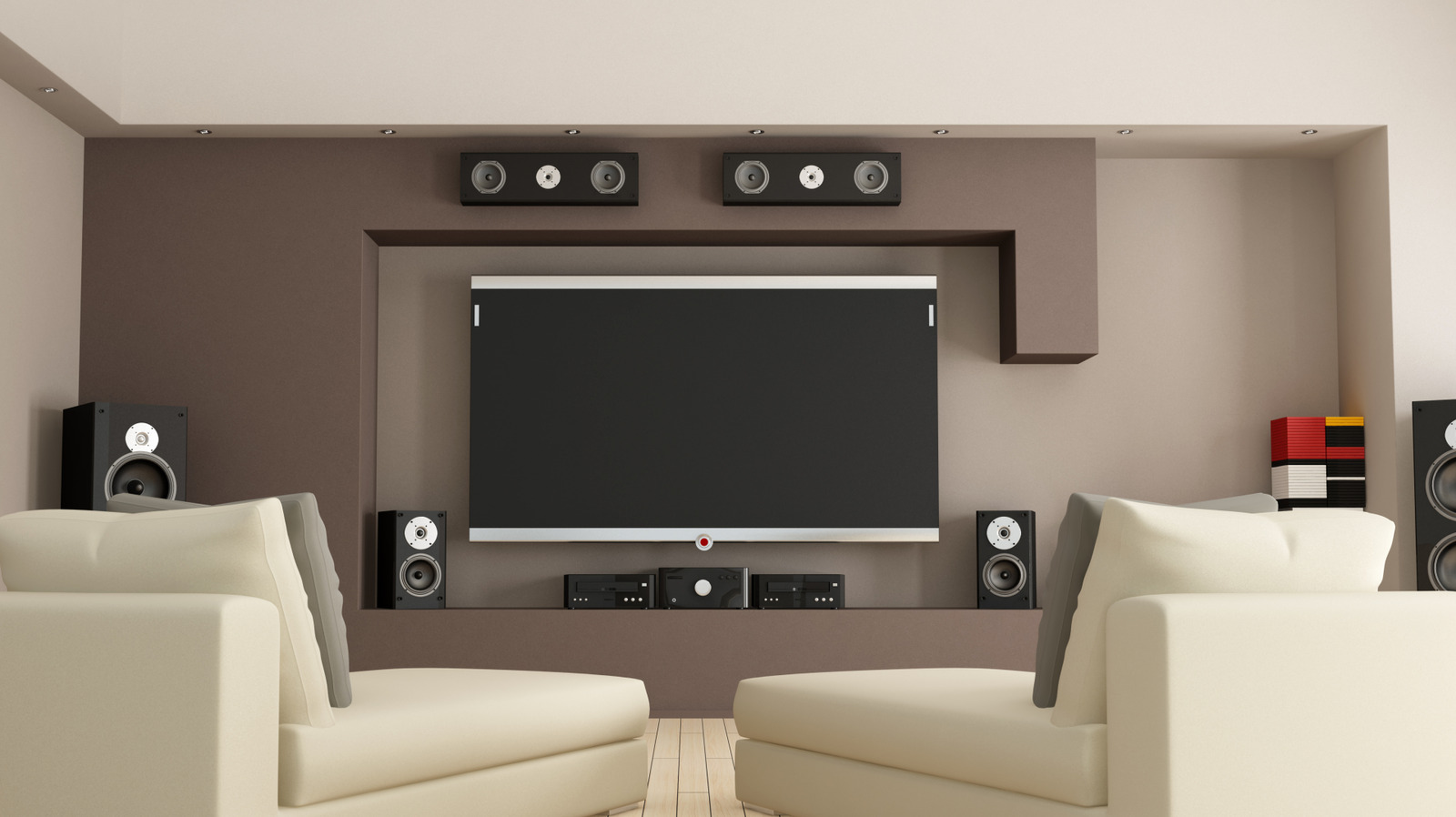
Engadget explains how to read the numerical shorthand used to describe surround sound speaker systems, such as 5.1 or 7.1.2, ahead of buyers investing in home theatre setups. Understanding this notation matters because it helps shoppers match a system's actual capabilities to their room size, budget and viewing habits, rather than assuming a higher channel count is automatically superior.
In the X.Y or X.Y.Z format, the first number denotes ear-level speakers, the second indicates whether a subwoofer is present (1 for yes, 0 for no), and an optional third figure counts overhead or upward-firing speakers used in Dolby Atmos or DTS:X setups. A basic 5.1 system typically starts around $500, while 7.1 setups begin at roughly $1,500 and can exceed $4,000 for premium versions; the article also notes that compact options such as the $1,000 Sonos Arc Ultra soundbar (a 9.1.4 configuration) or the $1,600 Samsung HW-Q990F can deliver strong spatial audio without requiring a full array of separate speakers, making them suitable for smaller spaces.
- First digit = ear-level speakers, second = subwoofer, third = overhead speakers
- Common setups range from 2.0 to 7.1.2, priced $500–$4,000+
- Soundbars like Sonos Arc Ultra offer strong surround sound in less space