Western diplomats describe surveillance and isolation in wartime Moscow
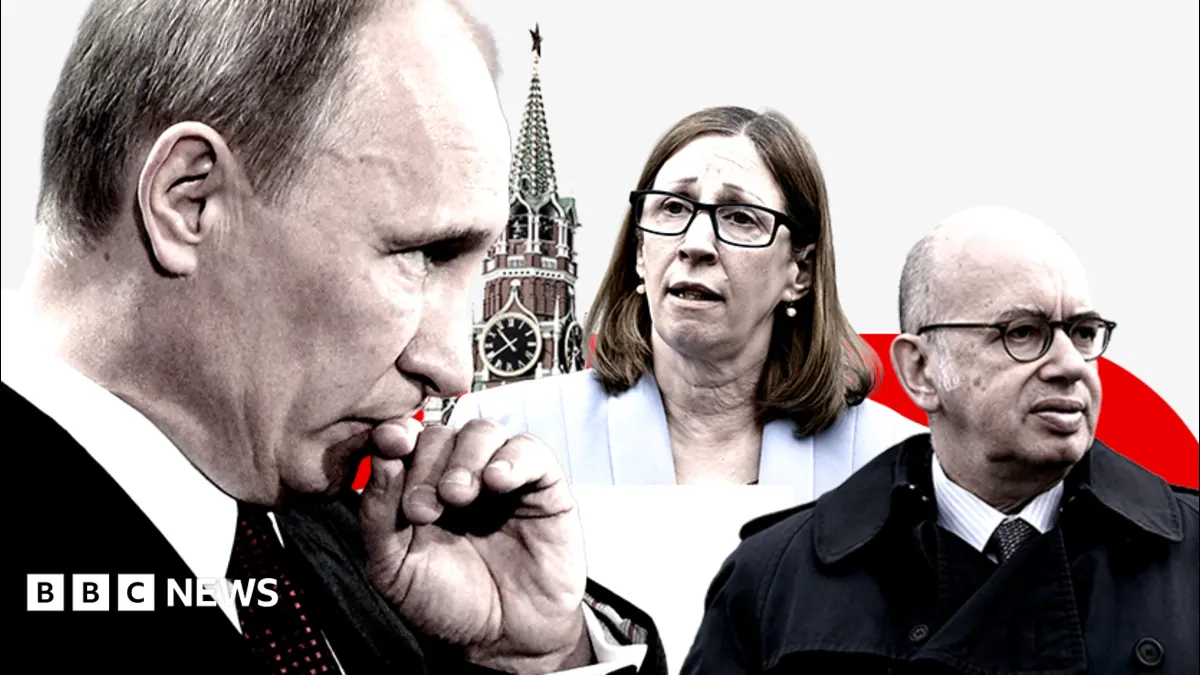
Western diplomats who served in Moscow during the war in Ukraine describe intense surveillance, isolation and pressure from Russian security services. They say the climate has made it harder to understand Russia and maintain diplomatic ties, even as strained relations make those channels more important.
Five diplomats told the BBC that Moscow’s monitoring and counterintelligence tactics recall the Cold War. Staffing fell after hundreds of Russian diplomats were expelled by Western countries in 2022 and Moscow retaliated; diplomats also described attempted recruitment of embassy employees and intimidation of guests at official events.
In short
- Western diplomats describe heavy surveillance in Moscow.
- Some say pressure has driven colleagues to quit.
- They argue diplomatic channels remain important despite the strain.
Steelman: both sides, in good faith
The strongest fair case each way — we don't pick a winner.
The case for
Tighter surveillance and restrictions may be justified by Russian authorities as necessary counterintelligence during a major conflict, particularly after mass expulsions of diplomats and worsening relations with Western governments. From this perspective, monitoring foreign missions can help protect state security and detect activity considered hostile, even if it makes diplomatic work more difficult.
The case against
Such pressure can obstruct legitimate diplomatic work, isolate foreign missions and make it harder for both sides to understand one another or manage risks. Critics would argue that intimidation and efforts to recruit embassy staff weaken trust and reduce the very channels that are especially valuable when relations are strained.
Explained simply
Russia’s full-scale invasion of Ukraine in 2022 sharply worsened relations between Moscow and Western governments. Many Western countries expelled Russian diplomats, and Russia responded with expulsions of its own, reducing the staff available at embassies on both sides.
Diplomats represent their governments and help keep communication open, including when relations are strained. Their accounts describe Russian security services monitoring Western missions and putting pressure on people connected to them, which they say has made it harder to build contacts and understand events in Russia.
Read the full article at the source →
Originally published by BBC World as “Surveillance and ‘constant paranoia’: Western diplomats tell BBC of life in war-time Moscow”.