Acadia residents raise safety concerns over e-bike congestion on carriage roads
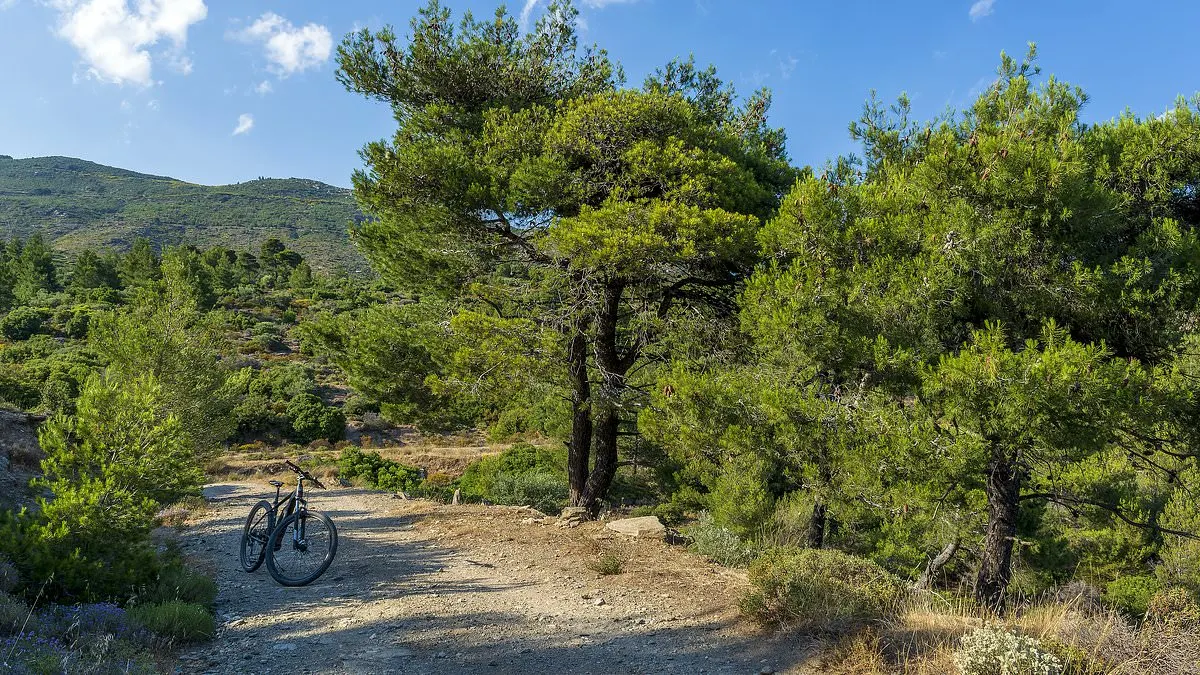
Residents near Maine’s Acadia National Park say growing numbers of e-bikes on its carriage roads are causing congestion, making some people feel unsafe and startling horses. The dispute matters because the roads have long been shared by walkers, cyclists and horse riders, while e-bikes also make the park more accessible to people who may struggle with conventional bicycles.
The 45-mile carriage-road network allows Class 1 e-bikes, which provide pedal assistance up to 20 mph; Class 2 and 3 models are not permitted there. Residents describe large groups passing at speeds they consider excessive, while park research with Worcester Polytechnic Institute found e-bike riders averaged 12 mph, compared with 11 mph for traditional cyclists. Officials are considering a concessions contract for businesses delivering bikes and customers into the park, amid concerns that staffing cuts leave fewer rangers to enforce rules.
- Residents say e-bikes are crowding Acadia’s carriage roads.
- Park research found e-bike riders averaged 12 mph.
- Officials are considering rules for bike delivery businesses.
New here? Start with this
Acadia National Park in Maine has a 45-mile network of carriage roads that have long been shared by walkers, cyclists and people on horseback. The park allows Class 1 e-bikes, which provide pedal assistance up to 20 mph, but bars Class 2 and 3 models.
Growing numbers of e-bike users on these roads have prompted concerns from residents living nearby. They describe large groups passing at speeds they consider excessive, making some people feel unsafe and startling horses.
The issue matters because e-bikes make the park more accessible to people who might struggle with conventional bicycles, but this benefit is being weighed against concerns about overcrowding and safety on the shared carriage roads.
Both sides, in good faith
The strongest fair case each way — we don't pick a winner.
The case for
E-bikes fundamentally expand access to the park for disabled visitors, older adults and those with mobility limitations who cannot ride conventional bicycles but deserve to enjoy public land equally. The data showing e-bike speeds nearly identical to regular cyclists undermines claims of excessive speed as the core problem; Class 1 e-bikes are already among the most restricted e-bike types available. Rather than banning an accessibility tool, the evidence suggests the real issue is inadequate enforcement due to staffing shortages—addressing ranger capacity would serve both safety and inclusion. Modern multi-use trails worldwide accommodate diverse visitors through proper management rather than exclusion.
The case against
The carriage roads have historically balanced walkers, traditional cyclists and horse riders within a particular safety framework; e-bikes, however speed-averaged, measurably change the dynamics, with residents reporting unsafe congestion and horses becoming spooked by faster traffic. The park's duty to safety extends to all users, and the lived experience of residents combined with animals' vulnerability to sudden startlement represents genuine harm that statistics alone cannot dismiss. Allowing increased e-bike use without concurrent investment in enforcement creates a vacuum where existing safety concerns go unaddressed. Accessibility is important, but must be balanced against preserving the safety and character of this particular shared space for its existing user communities.
Americas Geopolitics Politics World
Read the full article at the source →
Originally published by Daily Mail as “Swarms of powerful e-bikes descend on Maine’s famous Acadia National Park, spooking horses and leaving locals too frightened to go outside for fear of being run over”.