Swimming headphones: What makes them so different from regular headphones?
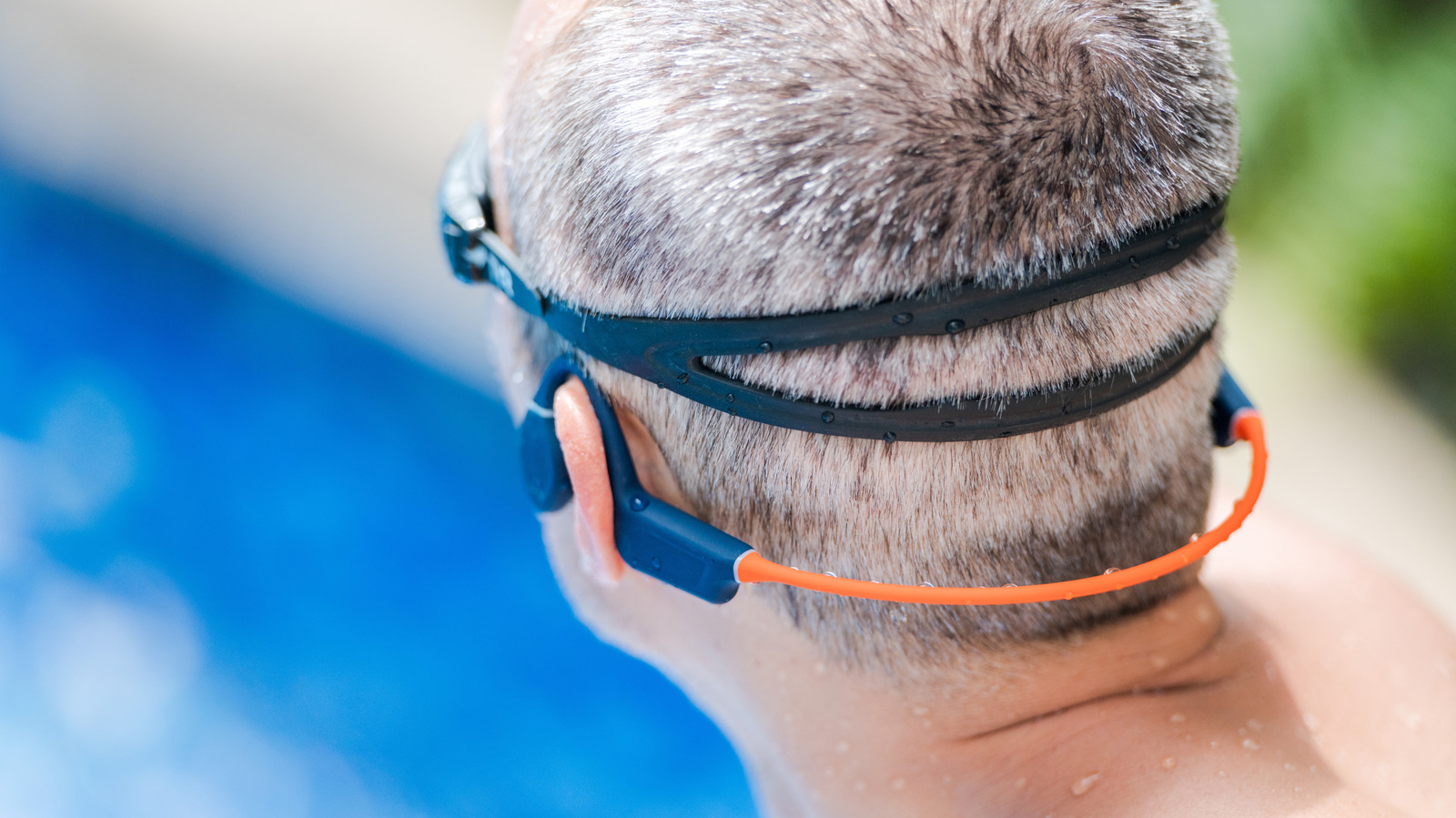
Swimming headphones differ from regular headphones in ways that go beyond simple waterproofing, mainly due to how water affects audio transmission. Because Bluetooth signals cannot pass through water, most swimming headphones include built-in storage so music keeps playing once a swimmer submerges, and they typically use bone conduction rather than the air-vibration method of standard headphones, sending sound through the cheekbones directly to the inner ear.
Buyers are advised to check the IP (Ingress Protection) rating, focusing on the second digit, which indicates water resistance; ratings of IPX7 and IPX8 are needed for genuine submersion, while 6 and below only cope with sweat or rain. Other considerations include adjustable EQ settings to counter the occlusion effect that water creates around the ear, and design features aimed at reducing buzzing caused by bone conduction at higher volumes.
- Swimming headphones use bone conduction, not standard air-vibration sound.
- Bluetooth doesn't work underwater, so built-in storage is essential.
- Check IP water-resistance ratings and EQ features before buying.